Whatsapp
Abstract — Upgrading Car Speakers sounds simple until you’re stuck comparing sizes, power numbers, and confusing “systems” that don’t fit your vehicle—or your ears. This guide breaks the process into clear, real-world steps: how to diagnose what’s wrong with your current sound, how to choose the right speaker type, what specs actually matter, and how to avoid distortion, weak bass, and wasted money. Along the way, you’ll get a practical comparison table, a step-by-step buying plan, installation tips, and quick troubleshooting. If you want an upgrade that feels instantly worth it every time you start the engine, you’re in the right place.
Most people don’t replace Car Speakers because they’re bored—they do it because something feels off. The music sounds thin, vocals are buried, the bass is a sad “thump,” or the system gets harsh and painful when you turn it up. Here’s what’s usually happening:
The good news: you don’t need a complicated build to fix this. You need the right speakers for your car, your listening habits, and your budget—and a few smart setup choices.
Before you compare brands or prices, decide what kind of upgrade you’re actually doing. For most drivers, it comes down to two options:
Rule of thumb: If you want a noticeable improvement with minimal hassle, start with quality coaxials. If you care about detail, vocals, and “music in front of you” imaging, components (especially in the front) are a great move.
Speaker listings can feel like a trap: huge watt numbers, flashy “peak power,” and vague marketing. Here’s what actually helps you buy smarter.
Hot take that saves money: A clean 30–60 watts RMS per channel can sound better than “300W max” marketing. Sound quality comes from control, not just numbers.
This is where most people waste time and returns happen. Car Speakers aren’t “one size fits all.” You need to confirm:
If you’re unsure, prioritize fitment confirmation before sound specs. The best speaker in the world is useless if it doesn’t mount safely and seal properly.
| Common Speaker Location | Typical Sizes | Best Upgrade Goal | What to Prioritize |
|---|---|---|---|
| Front doors | 6.5", 6x9", 5.25" | Strong mids + fuller sound | Sensitivity, RMS match, solid cone material |
| Dash / A-pillars | 3.5", 4" | Clear vocals + brighter detail | Smooth tweeter response, balanced tuning |
| Rear doors / rear deck | 6.5", 6x9" | Fill for passengers | Value, easy install, avoid harsh highs |
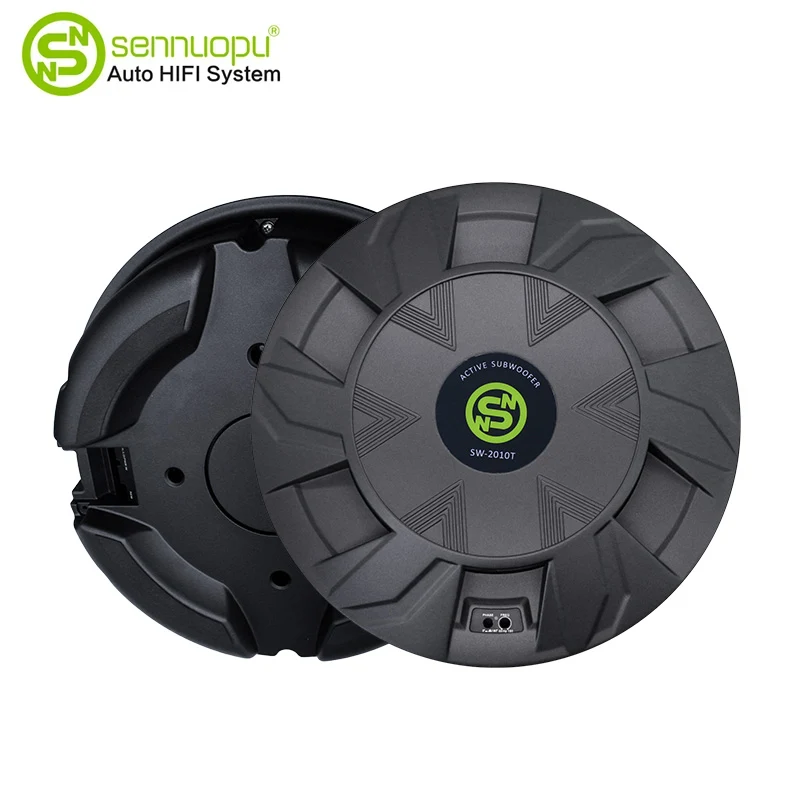
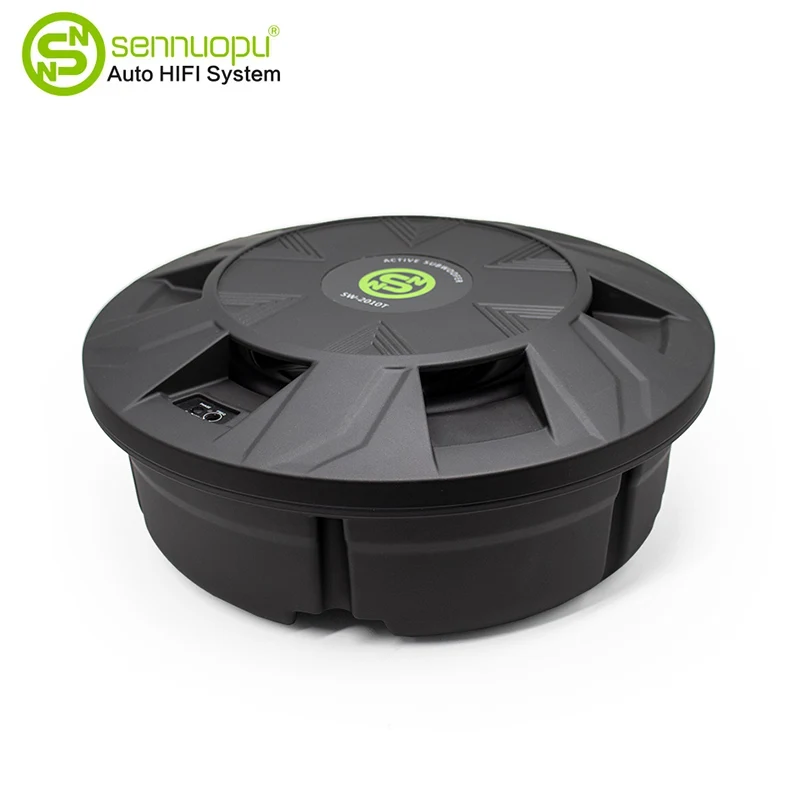
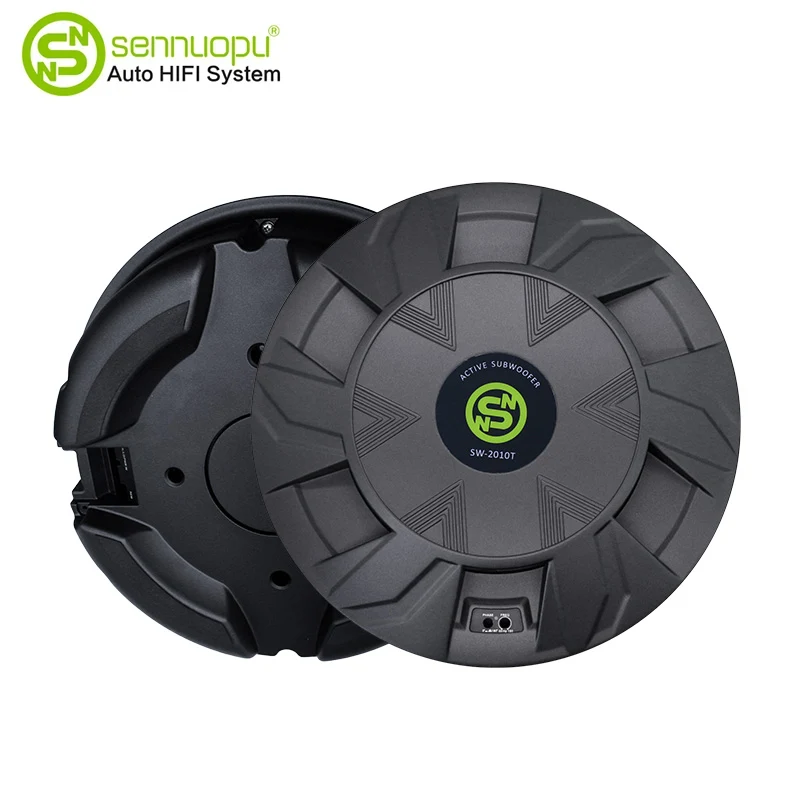
| Subwoofer (separate) | 8", 10", 12" | Real bass (not door-rattle “bass”) | Proper enclosure + amp match |
If you want maximum improvement without spiraling into a full audio project, follow this order:
Many customers shopping for Car Speakers want a reliable, straightforward solution—especially when they’re choosing products for daily driving, rideshare vehicles, or fleet upgrades. Guangzhou Nisson Automobile Products Co., Ltd. supports practical options that focus on real-world listening: clear vocals, controlled bass, and stable performance across long drives.
Install quality matters more than most people expect. A great speaker installed poorly can sound worse than a factory setup. Here’s the checklist that keeps things clean:
If you’re adding an amplifier, set gains correctly. Gains are not “volume knobs.” Set them to avoid clipping, which is a top reason new Car Speakers get damaged early.
You can get a noticeably better result with just a few settings:
The goal is not “more everything.” The goal is clarity, comfort, and punch without fatigue—especially at highway speeds.
Q: How do I know if my car needs coaxial or component Car Speakers?
A: If you want quick improvement and easy installation, coaxials are ideal. If you want stronger imaging and cleaner vocals (especially in the front), components are worth it.
Q: Will new Car Speakers sound better without an amplifier?
A: Yes—if you choose speakers with good sensitivity and install them properly. An amp adds control and volume headroom, but it’s not mandatory for a meaningful upgrade.
Q: Why do my new speakers distort when I turn the volume up?
A: Common causes include head unit clipping, incorrect gain settings (if amplified), loose mounting, or a mismatch between speaker demands and available power.
Q: Do I need to replace all speakers at once?
A: Not usually. Most people get the biggest upgrade by improving the front speakers first, then adding rears or a sub only if needed.
Q: What’s the fastest way to get more bass from Car Speakers?
A: Ensure proper door sealing and reduce rattles first. If you still want deeper bass, a small subwoofer is the cleanest solution.
Upgrading Car Speakers doesn’t have to be a gamble. When you focus on the right type, the right fitment, and the specs that actually impact everyday listening, the result is immediate: clearer vocals, stronger midbass, and a system that stays smooth even when you turn it up.
If you want help choosing a setup that matches your vehicle and listening goals, reach out to Guangzhou Nisson Automobile Products Co., Ltd.—tell us your car model, current system (factory or aftermarket), and what you want to improve. Contact us to get a practical recommendation that fits cleanly, sounds right, and feels worth every drive.