Whatsapp
If your car audio sounds “thin,” vocals seem stuck in the dashboard, bass feels boomy-but-weak, or turning the volume up just adds harshness, you’re not alone. Factory systems are built to satisfy average listening in a noisy cabin, not to deliver balanced, high-detail sound. A Car DSP Amplifier solves the most common pain points in one upgrade by combining precise digital tuning with clean power delivery. In this guide, you’ll learn what problems it fixes, how to choose the right specs, what installation details matter most, and a practical step-by-step approach to tuning—without needing to become an audio engineer.
Most people blame their speakers first, but the bigger issue is usually the signal and power behind them. In a moving vehicle, your ears fight road noise, reflections off glass, and uneven speaker placement. A factory head unit may also apply hidden equalization curves to protect cheap drivers or “simulate” bass. The result can be frustrating:
A clean, controlled system needs two things: the ability to shape the signal for your cabin, and enough stable power to reproduce that signal without strain. That’s the sweet spot for a Car DSP Amplifier.
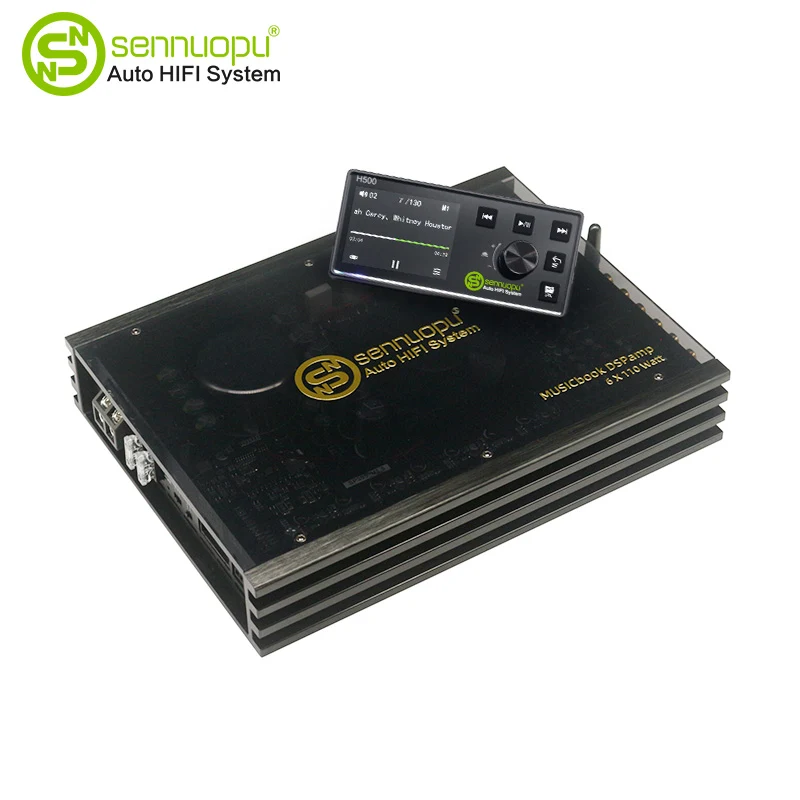
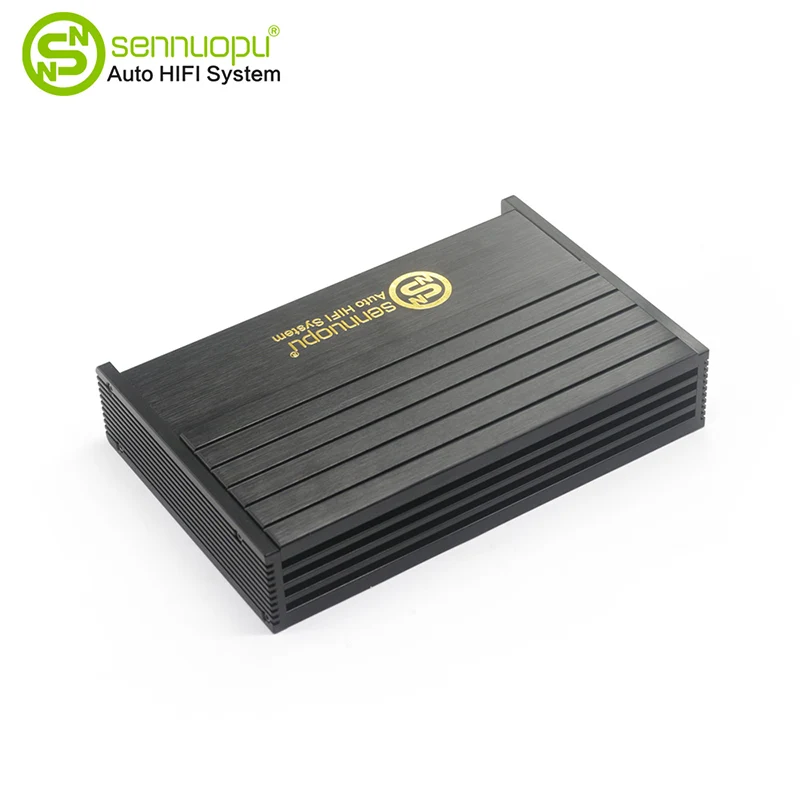
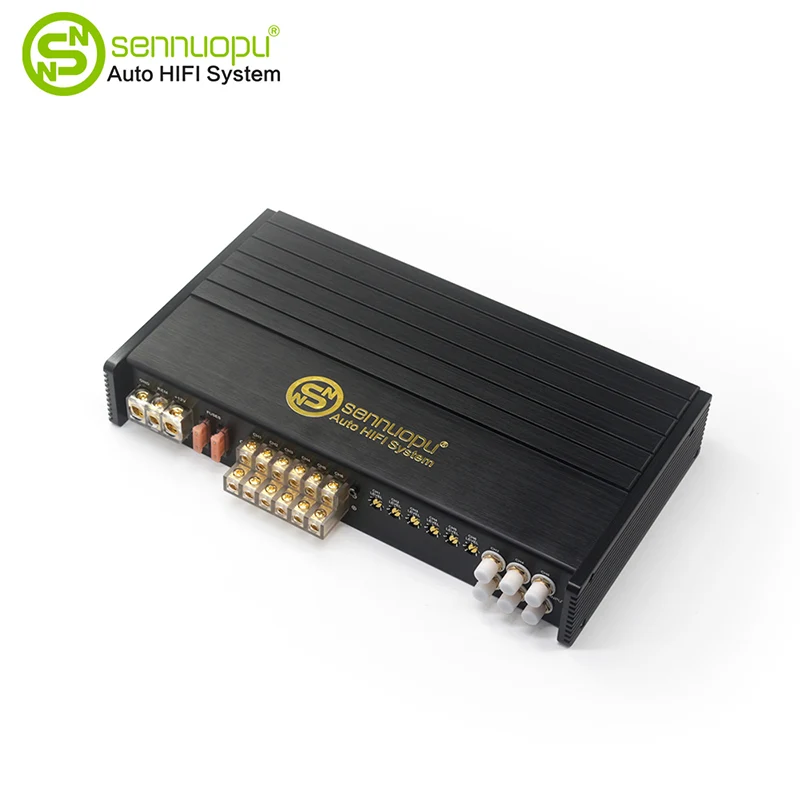
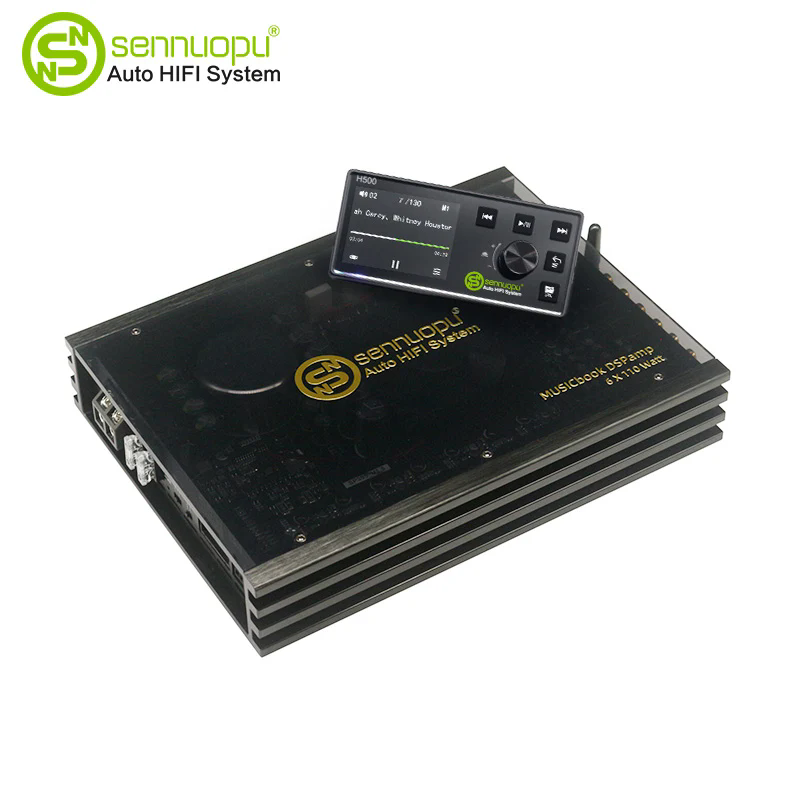
Think of a Car DSP Amplifier as two tools in one chassis:
If you’ve ever thought “the sound is close, but something’s still wrong,” that “something” is often timing, crossover behavior, and hidden factory EQ—all things a Car DSP Amplifier is designed to fix.
Here’s a practical map from complaint to action. You don’t need perfect measurements to get big wins—just a structured approach.
| What you hear | Likely cause | DSP moves that usually help |
|---|---|---|
| Vocals sound far away | Midrange masked, timing skewed | Small EQ lift in vocal region, apply time alignment, reduce overlapping crossovers |
| Bass is loud but not tight | Poor crossover/phase blend, cabin peaks | Adjust sub crossover slope, phase/polarity check, cut the dominant boom frequency |
| Treble is sharp at volume | Clipping, aggressive factory EQ, reflections | Lower input gain, gentle high-frequency cuts, set proper crossovers for tweeters |
| Music pulls to the left | Driver seating position, level mismatch | Time alignment and channel level matching, slight EQ balancing |
| System distorts early | Weak amp/head unit clipping | Set gains correctly, use clean amplification headroom, avoid excessive EQ boosts |
Notice the pattern: most fixes are about reducing conflicts (overlap, timing mismatch, clipping) rather than endlessly boosting frequencies. That’s why a Car DSP Amplifier often delivers a “bigger than expected” improvement, even with stock speakers.
Buyers often focus on watt numbers first, then wonder why the system still sounds messy. Power matters, but the “fit” matters more: channels, inputs, tuning control, and low-noise design.
| Feature | Why it matters | What to look for |
|---|---|---|
| Multi-band EQ | Corrects cabin peaks and dips | Enough bands for fine tuning, stable filters that don’t add hiss |
| Time alignment | Fixes imaging and “dashboard vocals” | Per-channel delay adjustment with repeatable values |
| Active crossovers | Prevents muddiness and protects drivers | Adjustable frequency, slope, and level control |
| Low noise floor | Reduces hiss at idle and high gain | Clean background at normal listening levels |
| Thermal protection | Stability on long drives | Predictable behavior under heat, proper ventilation plan |
If you’re upgrading gradually, a Car DSP Amplifier with flexible channel routing can save money later. You can start with front stage + sub and expand without replacing the “brain” of the system.
A great unit can sound awful if the basics are sloppy. Installation is where alternator whine, random shutdowns, and “mystery distortion” are born. Before you bolt anything down, plan these items:
If you’re not comfortable with electrical work, professional installation is worth it. The best results come from clean power, correct gain structure, and stable signal routing—things that reduce headaches for years.
Tuning can feel intimidating because people jump straight into EQ and create a weird, over-processed sound. Start with structure, then refine.
This workflow is why a Car DSP Amplifier can feel like a cheat code. You’re not guessing—you’re building a stable foundation (clean power + correct frequency roles + timing) and then polishing the tone.
The unit is only half the story—the other half is whether the product is consistent, supported, and documented well enough to help you succeed. A reliable manufacturer should be able to explain real specs, provide clear tuning guidance, and support different vehicle integration needs.
For example, Guangzhou Nisson Automobile Products Co., Ltd. focuses on car audio product development and can support different project requirements such as channel configurations, tuning accessibility, and practical integration options for modern vehicles. When you’re sourcing for resale, installs, or fleet upgrades, consistency and support matter just as much as sound quality.
Not always. Many people get a bigger improvement from better signal control and clean power. A Car DSP Amplifier can dramatically improve imaging, clarity, and bass control even with factory speakers, then scale further when you upgrade drivers later.
In most cases, yes—if you choose the right integration method and set gains correctly. The key is matching the input type and building a clean signal path so you’re not amplifying factory noise or distortion.
Start with your real plan. Front stage only is simpler; front stage plus subwoofer is a common sweet spot. If you want independent control of tweeters, mids, and midbass, you’ll need more channels and an active crossover approach.
It’s manageable if you follow a repeatable order: gains, crossovers, levels, time alignment, then EQ. The biggest mistake is doing EQ first and chasing problems that are actually timing or crossover conflicts.
Usually clipping from incorrect gain structure, an overloaded speaker, or excessive EQ boosts. Clean power and conservative EQ (mostly cuts) typically solve it.
Road noise masks midrange detail and bass texture. A well-tuned system with correct crossovers and balanced EQ will hold up better. Some users also save a “highway preset” with small midrange and bass adjustments.
A Car DSP Amplifier is the most direct way to fix the problems that make car audio frustrating: uneven tuning, poor staging, muddy bass, and early distortion. By combining signal control and clean amplification, it turns “louder” into “better,” and gives you a system that can grow with future upgrades.
If you’re planning a new build, upgrading a factory system, or sourcing for your business, reach out to Guangzhou Nisson Automobile Products Co., Ltd. to discuss the right configuration for your vehicle or project. Ready to make your next upgrade feel like a real upgrade? Contact us and tell us your car model, speaker plan, and goals—we’ll help you choose a solution that actually delivers.