Whatsapp
If your car audio sounds “almost good” but never quite right—boomy bass on one song, harsh vocals on the next, or a soundstage that feels stuck in the door panels—you’re not alone. A Car DSP Amplifier is built for exactly these real-world problems: it combines clean amplification with precise digital tuning so your speakers can work together instead of fighting each other. In this guide, you’ll learn what a DSP amplifier does, which features actually matter, what installation and tuning look like, and how to avoid the most common (and expensive) mistakes. By the end, you’ll have a clear, practical path to getting balanced volume, tighter bass, clearer vocals, and a more “in front of you” listening experience—without guesswork.
Home speakers sit in a stable room. Car speakers sit in a noisy metal box with glass surfaces, uneven seating positions, and speakers placed far from ideal locations. That’s why “good hardware” still disappoints in cars. Here are the pain points people mention most:
Most of these issues are not “speaker problems.” They’re system-integration problems: timing, crossover points, cabin resonance, and signal limitations. That’s where a DSP amplifier earns its keep.
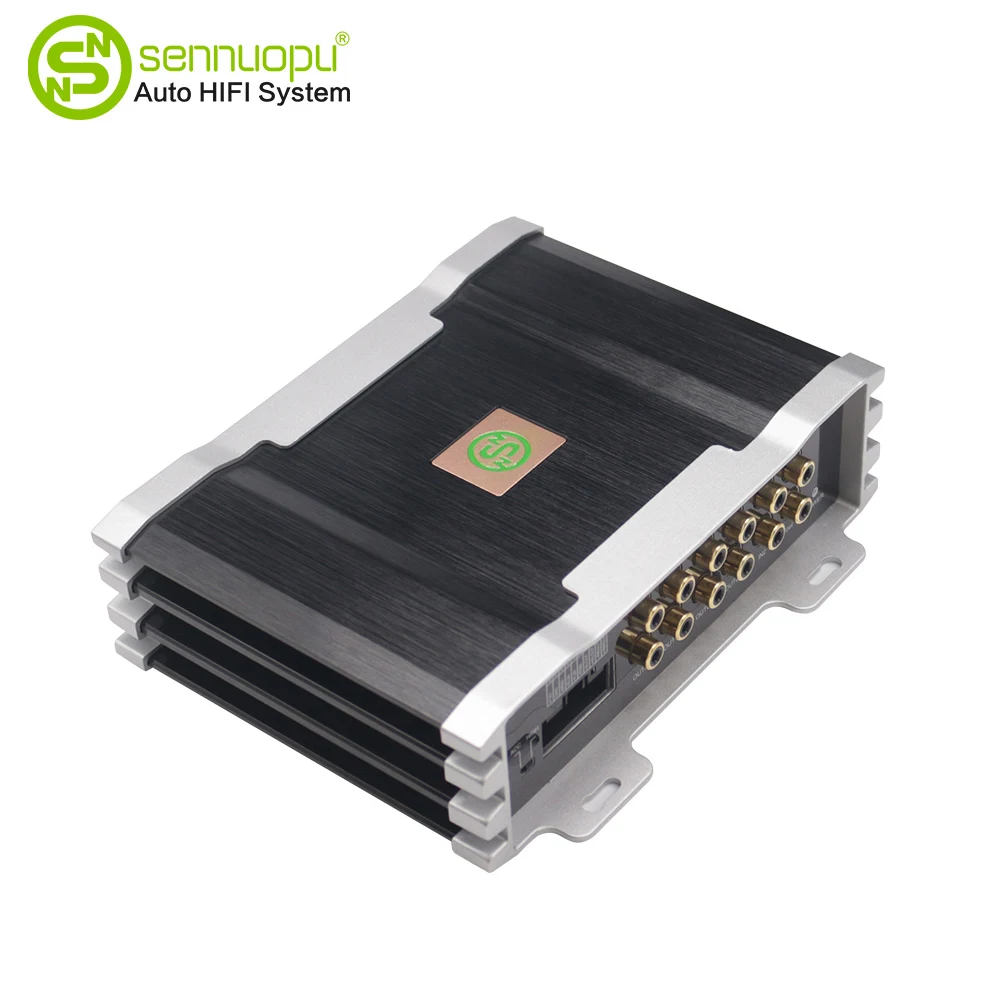
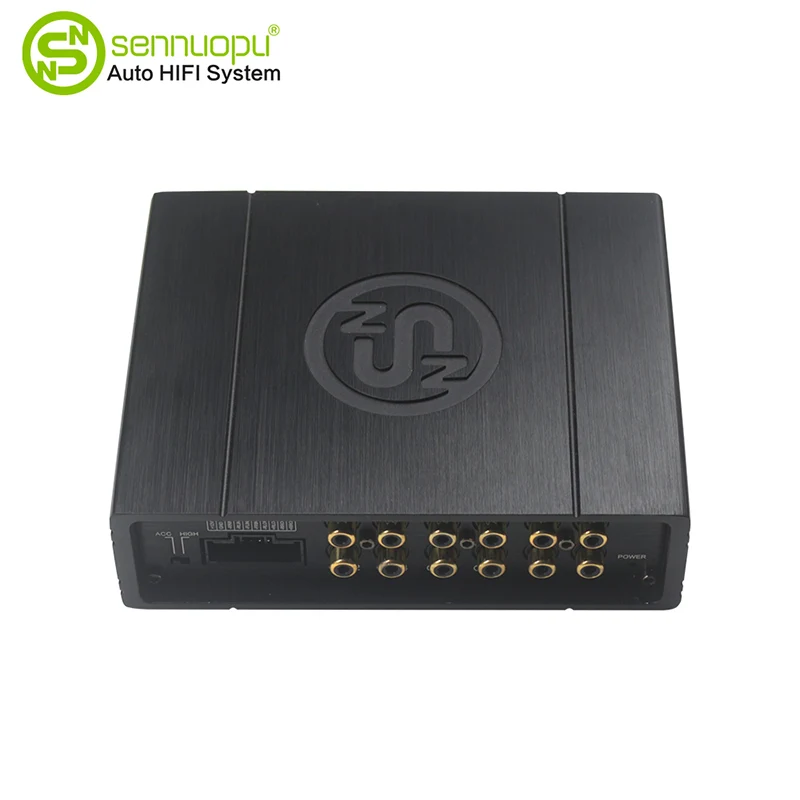
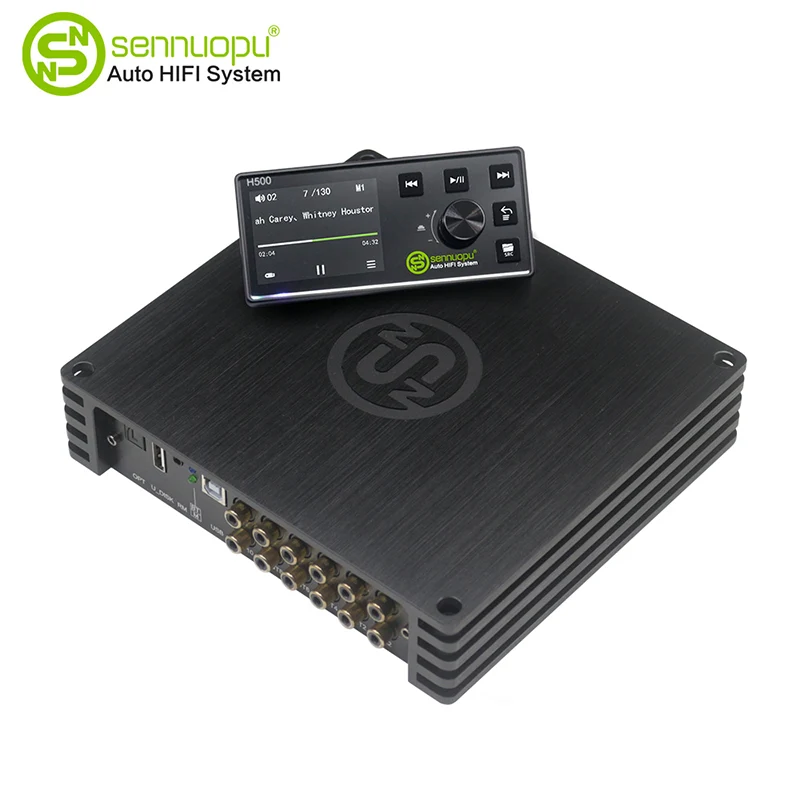
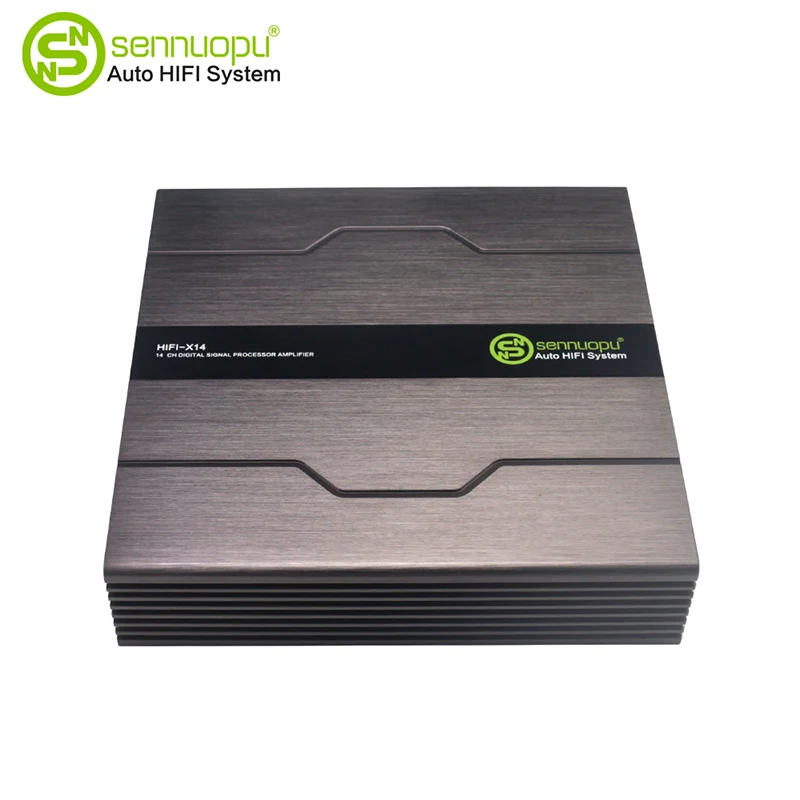
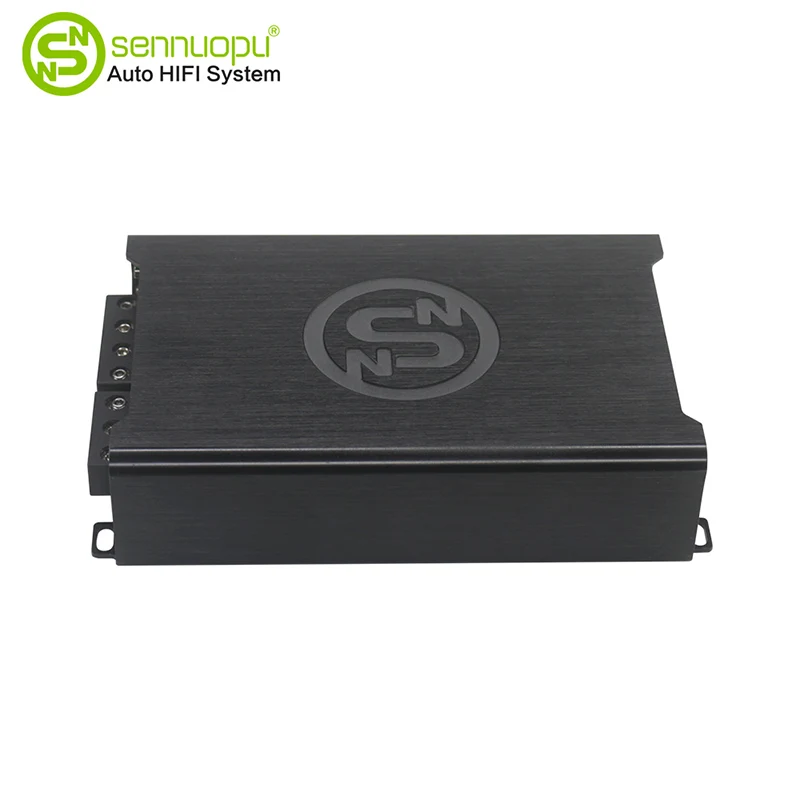
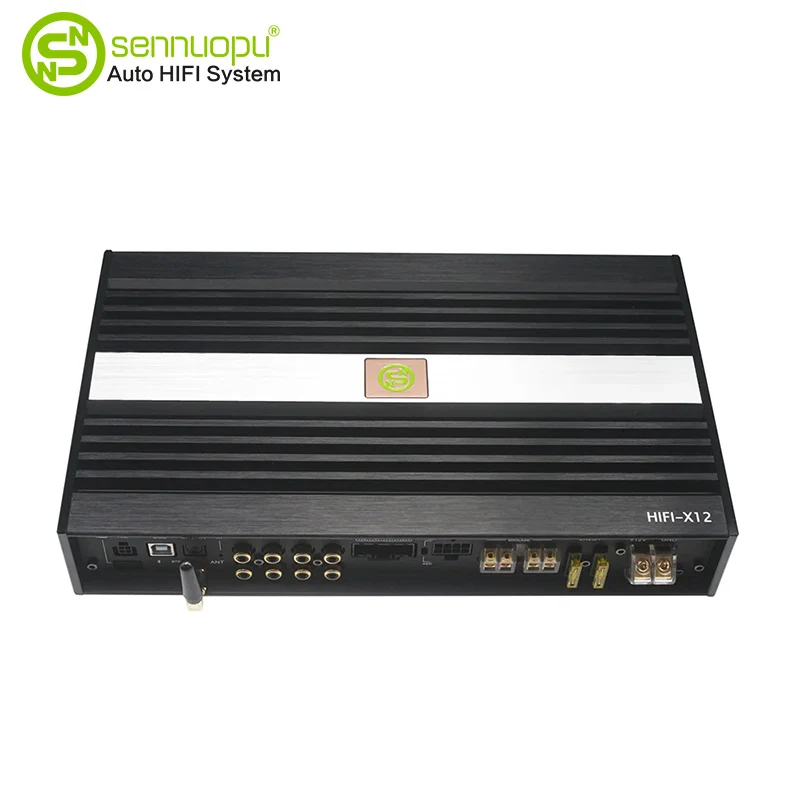
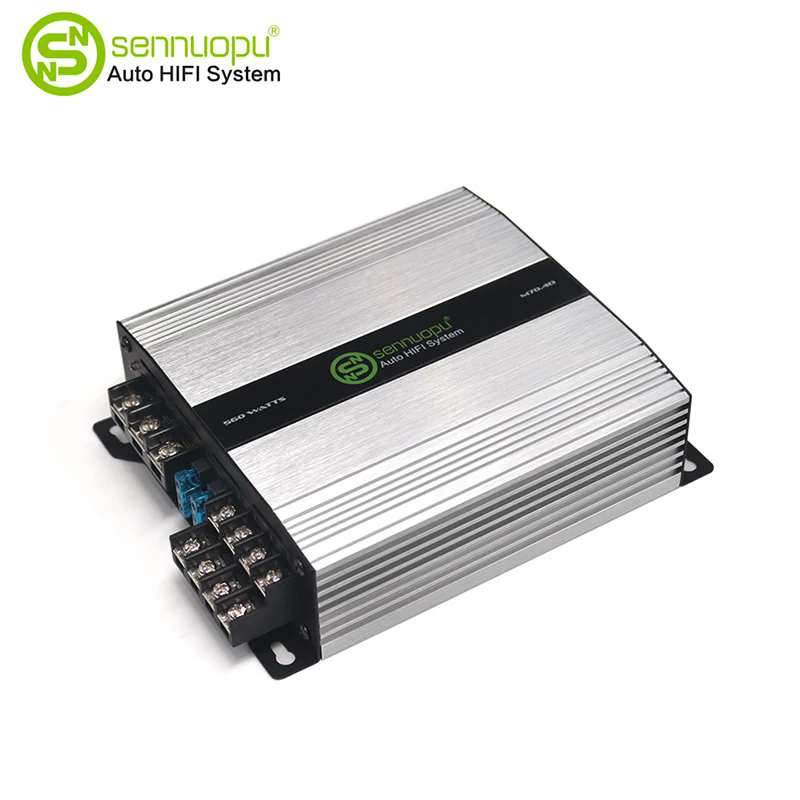
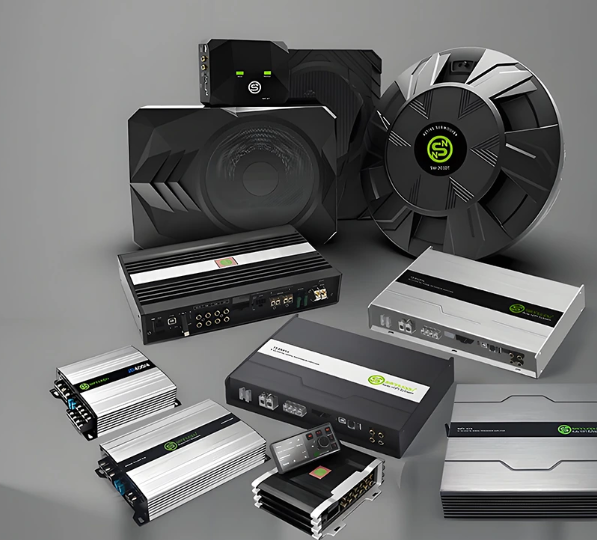
A Car DSP Amplifier combines two jobs:
In practical terms, DSP features are what turn “loud” into “clean and believable.” The most useful DSP functions include:
If you’re on the fence, use this simple diagnostic list. A DSP amplifier is especially helpful if you answer “yes” to any of these:
The market is full of impressive-sounding specs, but the best choice depends on your system plan. Focus on these decision points:
| Setup Type | Best For | Common Pain Point Solved | Trade-Off |
|---|---|---|---|
| Factory head unit + speaker swap | Basic improvement on a budget | Better clarity at low volume | Still limited tuning and power; staging often unchanged |
| Aftermarket amp (no DSP) | More volume and punch | Cleaner loud playback | Cabin peaks and timing issues remain |
| Car DSP Amplifier + existing speakers | Fix balance, staging, consistency | Tames harshness, centers vocals, tightens bass | Needs tuning time (or installer support) |
| Car DSP Amplifier + active front stage + sub | Best “wow” results | Full control over every speaker role | More install complexity and tuning steps |
A DSP amplifier upgrade is usually a “measure twice, cut once” project. The goal is clean signal flow, safe wiring, and enough access to tune properly. A typical process looks like this:
If you’re not comfortable with power wiring or you’re integrating a complicated factory system, professional installation is often worth it. A great tune can be ruined by a noisy ground or a clipped input signal.
This checklist keeps you from “EQ-ing your feelings” and chasing problems in circles:
Instead of buying by buzzwords, buy by your goal:
If you’re sourcing for an upgrade project or building a product lineup, consistency and support matter as much as the spec sheet. Guangzhou Nisson Automobile Products Co., Ltd. focuses on car audio solutions that help bridge the gap between factory limitations and the sound customers actually want—clean power, controllable tuning, and a system approach rather than random part-swapping.
When evaluating any DSP amplifier supplier, ask practical questions: How easy is it to tune? Are connection options clear for OEM integration? Is documentation straightforward? Can you save and restore tuning profiles reliably? These details determine whether the user ends up with a confident, repeatable setup—or a frustrating box that never gets finished.
Q: Will a Car DSP Amplifier make my system louder?
A: Usually, yes—but the bigger change is that it stays cleaner at higher volume. Many people notice less strain and less harshness before they notice raw loudness.
Q: Do I need new speakers first?
A: Not always. If your current speakers are decent, a DSP amplifier can unlock clarity and balance you didn’t know you were missing. Speakers matter, but integration and tuning often matter more than people expect.
Q: Can I keep my factory head unit?
A: In many cases, yes. That’s one of the most common reasons people choose a DSP amplifier—to preserve OEM features while improving sound.
Q: Is tuning difficult?
A: It’s manageable if you follow a process: crossovers, levels, time alignment, then EQ. If you want the fastest route to great results, a professional tune (or guided presets) can save a lot of trial-and-error.
Q: How do I avoid hiss or alternator whine?
A: Start with proper grounding, correct input levels, tidy cable routing, and conservative gain staging. Noise problems are usually wiring and setup issues—not “bad luck.”
Q: What’s the single biggest improvement I’ll hear?
A: For most people: clearer vocals and a more stable center image—music feels like it comes from in front of you, not from the doors.
A Car DSP Amplifier isn’t just another box—it’s the piece that makes the whole system behave like a system. If you’re tired of boomy bass, harsh highs, and a soundstage that never locks in, this upgrade gives you the tools to fix the real causes: timing, balance, and controlled power.
If you’re planning a new build, upgrading a factory system, or sourcing for a product lineup, reach out and tell us your vehicle, speaker plan, and listening goals—then let’s match you with a setup that makes sense. Ready to turn “almost good” into “finally right”? Contact us to discuss the right DSP amplifier approach for your project.