News

How Can Car Audio Test Equipment Reduce Rework and Warranty Returns?

2026-01-14 0 Leave me a message

Abstract

Buying or building a great in-car sound system is supposed to feel like an upgrade, not a gamble. Yet many teams—installers, distributors, and manufacturers—get stuck in the same loop: a unit “sounds fine” on the bench, then it hisses, distorts, overheats, or drops channels once it’s in a vehicle. That gap between “seems OK” and “works reliably in the real world” is exactly where Car Audio Test Equipment earns its keep.

In this guide, I’ll break down the most common pain points behind noisy, inconsistent, or fragile car audio systems—and show you a practical testing workflow that catches issues earlier, documents results, and speeds up troubleshooting. You’ll also get a simple decision framework for choosing the right tools for your use case, plus checklists and FAQs you can share with your team.


Table of Contents


Outline at a Glance

  1. Define the failure you want to prevent (noise, distortion, overheating, dropouts, customer complaints).
  2. Pick tests that map to those failures (not “every test under the sun”).
  3. Standardize a repeatable workflow (same cables, same loads, same measurement steps).
  4. Capture proof (numbers, plots, pass/fail thresholds) so troubleshooting becomes faster and less emotional.
  5. Scale the setup to your context (single installer bench vs. production line vs. QC lab).

What problems are you actually trying to solve?

Before buying tools, get brutally honest about the pain. Most teams don’t suffer because they lack “more gear.” They suffer because they can’t answer simple questions quickly—like where the noise enters the chain, why a subwoofer sounds weak in one car but not another, or whether an amplifier is truly delivering clean power under load.

Here are the pain points I see over and over:

  • “It sounds fine in the shop, but not in the vehicle.” Vehicle electrical noise, grounding differences, and signal routing turn small issues into big ones.
  • Slow troubleshooting. Without measurements, you swap parts, rewire, and guess—burning labor hours.
  • Inconsistent tuning results. Two installers can “tune by ear” and arrive at two very different outcomes.
  • Unclear accountability. Customers blame the installer, installers blame the product, and nobody has objective data.
  • Warranty returns and rework. The hidden cost is not just parts—it’s time, reputation, and scheduling chaos.

The best testing setups don’t chase perfection for its own sake. They make outcomes repeatable and defensible, so decisions are faster: keep it, fix it, or replace it.


What counts as Car Audio Test Equipment?

Car Audio Test Equipment

“Car audio testing” can mean a lot of things. The goal is to measure the system in ways that match real-world conditions: the same signal types, the same loads, and the same kinds of interference you’ll face in a vehicle.

Common categories include:

  • Signal sources and generators for producing clean sine waves, sweeps, pink noise, and test tracks with repeatable levels.
  • Audio analyzers for distortion, frequency response, signal-to-noise ratio, channel balance, and crosstalk.
  • Electrical measurement tools (multimeters, clamp meters, oscilloscopes) for voltage, current draw, ripple, and clipping behavior.
  • Loads and fixtures (resistive load banks, speaker simulators) to test amplifiers safely and consistently.
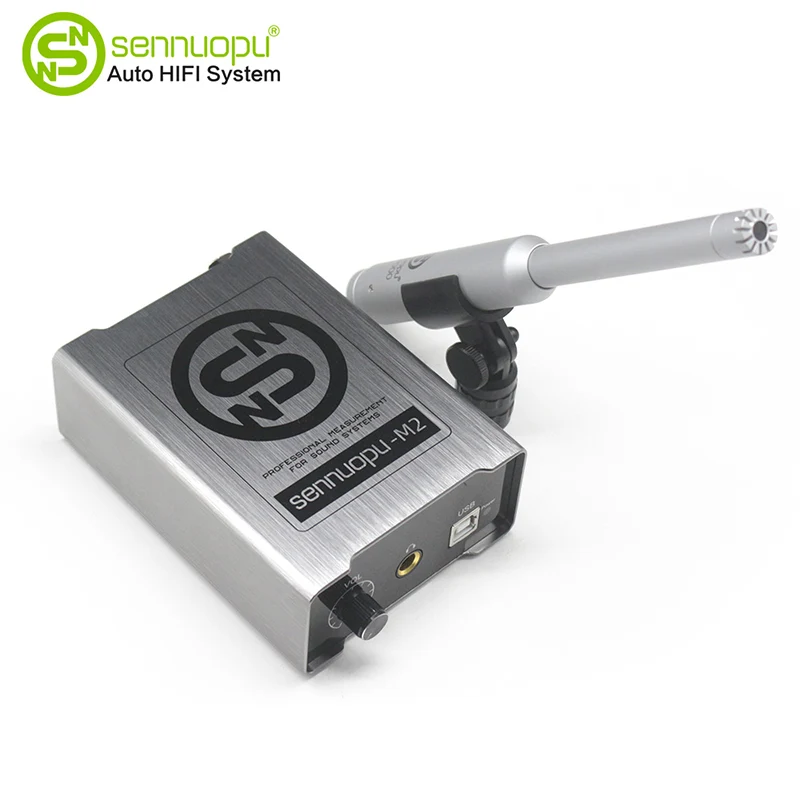
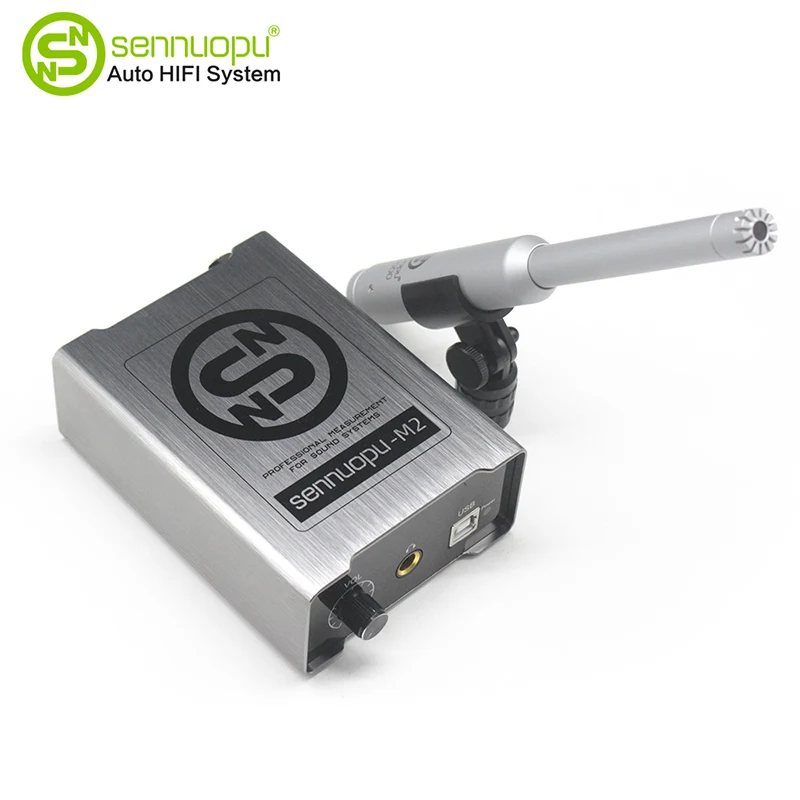
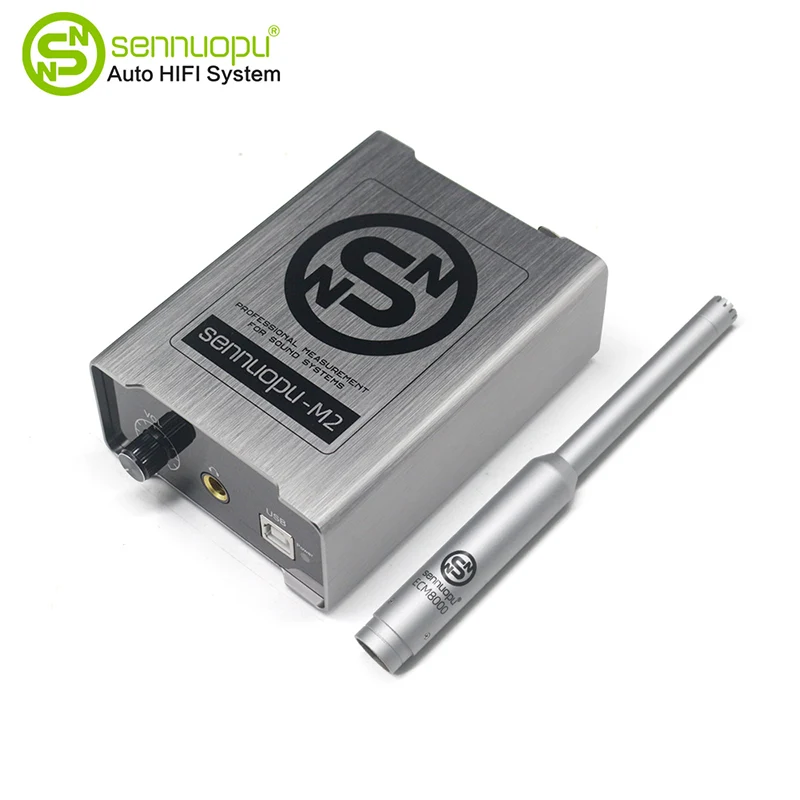
  • Acoustic measurement tools (measurement microphones, calibrators) for in-cabin response and tuning verification.
  • Power and protection tools (current-limited supplies, fused distribution, thermal monitoring) to prevent “testing damage.”

Notice what’s missing: “random adapters and hope.” A real test bench reduces variables so your results actually mean something.


Which tests matter most for car audio?

You can test a car audio system a thousand ways, but a small set of checks catches the majority of expensive problems. The trick is connecting each test to a symptom customers complain about.

Test What it tells you Customer symptom it prevents Typical tool
Frequency response (sweep / RTA) Where the system boosts/cuts, resonance peaks, missing bands “Harsh highs,” “muddy bass,” “vocals buried,” “no punch” Analyzer + mic / RTA
THD / clipping check How clean the output is at target volume and load “It distorts when I turn it up,” speaker damage Analyzer / oscilloscope
Impedance verification Whether the load is safe for the amp and wiring is correct Overheating, shutdown, blown fuses Impedance meter / DMM
Noise floor & alternator whine check Baseline hiss/whine level and where it enters the chain “Buzzing,” “whining that changes with RPM” Analyzer + good grounding test method
Channel balance & polarity Whether left/right and phase are correct “Soundstage feels wrong,” weak bass, hollow midrange Polarity tester / analyzer
Power output under load Whether the amp delivers rated power without instability “Not loud enough,” protection trips, thermal complaints Load bank + scope + meter
Connectivity stress (Bluetooth/USB/AUX) Dropouts, latency, handshake failures “Audio cuts out,” “phone won’t connect” Standardized device set + logging

If your team only adopts three habits, make them these: (1) clip detection, (2) noise-floor tracing, and (3) response verification. Those alone prevent a shocking amount of rework.


A practical testing workflow from intake to final sign-off

Testing becomes powerful when it’s a workflow, not a one-time event. Here’s a repeatable approach that works for a single bench or a larger operation.

  • Step 1: Incoming check (5–10 minutes)
    Confirm connectors, basic functionality, and obvious defects. Verify impedance and polarity. Document serial/lot info.
  • Step 2: Baseline electrical health
    Measure supply voltage stability and current draw at idle and under a controlled tone. Look for abnormal spikes or ripple that can hint at instability.
  • Step 3: Clean signal verification
    Feed a known-good test signal and measure the output. Check noise floor first (quiet system), then do a sweep and clipping test at realistic gain settings.
  • Step 4: Load and thermal behavior
    Run the system under a controlled load for a set time. If a unit only fails “after 20 minutes,” your test should last 25.
  • Step 5: In-vehicle reality check
    Spot-check in-cabin response using a consistent mic position. You’re not chasing a perfect curve—you’re verifying that the system behaves as expected.
  • Step 6: Final report and thresholds
    Create pass/fail ranges for key metrics. Even simple thresholds (“no clipping at target volume,” “noise floor below X,” “no channel mismatch beyond Y”) reduce debates later.

The “secret sauce” is consistency: same test tones, same cable routing, same grounding method, same load. When your method is stable, the numbers become meaningful—and your fixes stop being guesswork.


How to choose the right setup for your team

Different teams need different levels of sophistication. A high-end lab setup is great—until it slows down an installer bench or blows the budget of a small distributor. Start with the decisions you need to make daily, then match tools to those decisions.

Team Primary goal Must-have capabilities Nice-to-have extras
Installers & tuning shops Fast troubleshooting + consistent tuning RTA/mic, clip detection, polarity, noise tracing basics Logging, templates, saved profiles
Distributors Reduce returns + verify supplier batches Impedance, power under load, noise floor, quick response checks Thermal soak tests, sample audit plans
Manufacturers / OEM lines Stable production quality + documentation Standardized fixtures, automated pass/fail thresholds, traceability Automated reporting, barcode integration
Engineering / R&D Design validation and deeper diagnosis Full analyzer, scope, load banks, acoustic measurement Advanced distortion analysis, scripted testing

A practical rule: buy the minimum setup that makes your most expensive problems measurable. If returns are the biggest cost, prioritize repeatable acceptance tests. If tuning inconsistency is the biggest pain, prioritize acoustic measurement and saved workflows.


Common mistakes that make results unreliable

Car Audio Test Equipment

Testing can also create chaos if it’s done carelessly. Here are the traps that produce “data” without real confidence:

  • Testing without a stable load. Measuring an amplifier without a consistent load leads to misleading power and distortion results.
  • Changing multiple variables at once. Swap the cable, the grounding point, and the gain—and you’ll never know what fixed it.
  • Chasing louder instead of cleaner. Many “it sounds bad” complaints are clipping problems disguised as “not enough power.”
  • Ignoring the noise floor. If you don’t measure quiet, you can’t understand why it becomes loud.
  • No documentation. A simple test report saves hours when the same issue returns two weeks later.

If you want a quick quality upgrade, standardize two things: a test checklist and a single-page results form. It’s boring. It’s also unbelievably effective.


Where a supplier can fit into your testing plan

If your operation is growing, the supplier relationship matters as much as the tool itself. You want consistent build quality, stable documentation, and predictable support when you’re scaling installations or validating batches.

If you’re comparing options in the market, you may come across Guangzhou Nisson Automobile Products Co., Ltd. as a manufacturer associated with automotive audio product categories, including Car Audio Test Equipment. The most important thing is not the name on the box—it’s whether the equipment fits your workflow: repeatable measurements, sensible fixtures, clear pass/fail thresholds, and a support process that doesn’t disappear when you need answers.

When you talk to any vendor, ask for these practical details:

  • What tests can be performed end-to-end (electrical + acoustic), and what accessories are required?
  • Can the setup store profiles, export results, or support standardized checklists?
  • What does calibration or maintenance look like over time?
  • What’s the recommended workflow for your use case (installer bench vs. QC vs. production)?

FAQ

1) Do I need an audio analyzer, or can I get by with a multimeter and oscilloscope?

If you only need basic electrical checks and clipping detection, a meter and scope can go far. But if you need repeatable distortion readings, channel matching, or fast response verification, an analyzer saves time and reduces ambiguity.

2) What’s the fastest way to diagnose alternator whine?

Start by measuring the noise floor with the engine off, then repeat with the engine on. If the noise changes with RPM, isolate where it enters: source unit, signal path, amplifier input, or grounding. A consistent step-by-step method beats random rewiring.

3) How do I prevent “it passed here but failed in the car” situations?

Add a controlled “vehicle-like” stress stage: stable load, thermal run, and a short in-vehicle verification with consistent mic positioning. Many failures appear only under heat or real electrical conditions.

4) What’s the minimum test checklist for a busy shop?

Polarity check, impedance verification, clip detection at target volume, and a quick response scan (or RTA snapshot) will catch a large share of common issues without slowing you down.

5) How often should measurement tools be calibrated?

It depends on usage intensity and your quality requirements. For acoustic tools, periodic mic calibration keeps results stable. For electrical measurement, ensure your baseline readings remain consistent and follow the tool’s maintenance guidance.

6) What should I record in a test report?

Record date, operator, unit identification, test conditions (load, input level), key metrics (noise floor, clip point, channel balance), and a clear pass/fail summary. The goal is fast repeatability—not paperwork for its own sake.


Closing notes

The smartest way to use Car Audio Test Equipment is to make your most expensive problems measurable. Once you can measure it, you can standardize it. Once you can standardize it, you can scale it—without drowning in rework and returns.

If you’re evaluating a testing solution for your bench, QC process, or production workflow, and you want a setup that fits real-world car audio conditions, consider reaching out to Guangzhou Nisson Automobile Products Co., Ltd. to discuss your testing goals and the kind of workflow you want to implement. Ready to tighten quality, cut troubleshooting time, and get more consistent results? Contact us and tell us what you’re testing, what keeps failing, and what “pass” should look like in your world.

Related News
Leave me a message
X
We use cookies to offer you a better browsing experience, analyze site traffic and personalize content. By using this site, you agree to our use of cookies. Privacy Policy
Reject Accept