Whatsapp
Car audio test equipment plays a critical role in achieving accurate sound reproduction, ensuring every component—from amplifiers and speakers to DSP units—performs at its highest capability. As automotive sound systems continue evolving toward high-resolution audio, advanced DSP tuning, and immersive sound fields, reliable test tools become indispensable for installers, engineers, and audio brands.
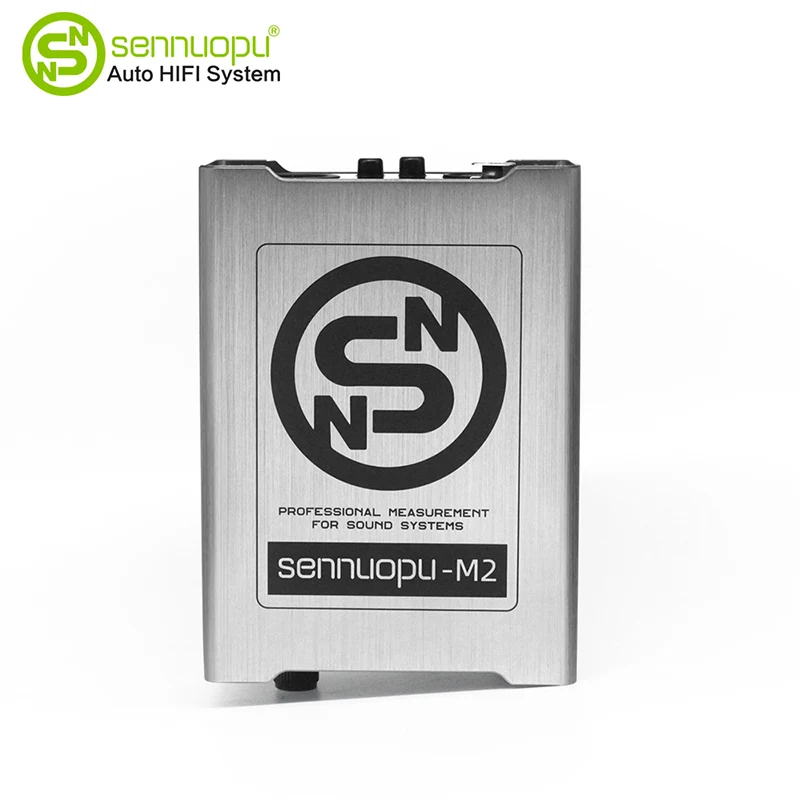
The focus centers on professional-grade car audio analyzers, signal generators, oscilloscopes, and spectrum analyzers—designed specifically for in-vehicle environments. These tools measure frequency response, phase alignment, distortion, power output, noise levels, and digital processing behavior with high precision. In addition, key parameters such as bandwidth, input voltage range, sampling rate, and THD+N readability determine the reliability of any diagnostic process.
Below is a consolidated specification table representing a typical high-performance Car Audio Test Equipment configuration frequently used in automotive audio R&D and installation environments:
| Parameter | Specification |
|---|---|
| Frequency Response Measurement Range | 10 Hz – 22 kHz |
| Total Harmonic Distortion (THD+N) Accuracy | ±0.05% |
| Input Voltage Range | 0.2V – 200V (RMS) |
| Output Signal Type | Sine / Sweep / Pink Noise / White Noise |
| Sampling Rate | Up to 192 kHz |
| Dynamic Range | Up to 120 dB |
| Display Interface | LCD/HD digital display |
| Connectivity Options | USB, AUX, Optical (varies by model) |
| Supported Measurements | SPL, FFT Spectrum, Phase, Impedance, Power Output |
| Recommended Use Cases | System tuning, component testing, distortion evaluation, DSP alignment |
With the increasing demand for high-resolution car audio, understanding how these parameters impact real-world installation and tuning has become essential.
The primary function of car audio test equipment is to ensure the entire audio chain functions exactly as engineered. Distortion, noise, power imbalance, or incorrect crossover settings can significantly degrade sound quality, and many of these issues are inaudible to the untrained ear. Test tools provide measurable verification, allowing installers to create consistent, high-precision tuning results.
Key Advantages in Audio Diagnostics:
Precise Frequency Response Mapping: Ensures smooth transitions across the audio band.
Accurate THD Measurements: Identifies amplifier clipping, speaker stress, and DSP misconfiguration.
Voltage Monitoring: Detects power delivery issues caused by wiring, amplifiers, or vehicle electronics.
Phase and Polarity Testing: Prevents cancellation effects that weaken bass and overall clarity.
Impedance Analysis: Protects amplifier stability and speaker longevity.
By identifying these variables early, the tuning process becomes smoother, and the risk of long-term hardware damage decreases dramatically.
DSP Compatibility
Modern vehicles rely heavily on DSP technology for time alignment and EQ shaping. Car audio test equipment enables technicians to analyze DSP behavior, measure latency, confirm crossover slopes, and ensure tuning data matches the intended acoustic design.
Audio Reproduction Consistency
Whether upgrading factory systems or installing aftermarket sound packages, test equipment ensures repeatable, measurable results. This is especially critical in professional settings where clients expect consistent performance across vehicle models and cabin types.
Car audio test equipment varies widely in precision, capability, and intended use. Understanding these differences helps determine which tool best fits a particular installation or engineering environment.
1. Signal Generators
Provide stable test tones such as sine waves, sweeps, and pink noise. These tones help measure frequency behavior, locate resonances, and evaluate speaker response.
2. Audio Analyzers
Used for frequency response, distortion, and phase analysis. They are essential for professional installers and automotive audio engineers.
3. Oscilloscopes
Display waveform signals, detecting clipping, DC offset, noise interference, and electrical anomalies from amplifiers or head units.
4. SPL Meters & RTA Tools
Measure sound pressure and overall acoustic behavior inside the vehicle cabin, aiding precise EQ balancing.
Sampling Rate and Bit Depth: Higher sampling rates capture more detail, especially needed for high-resolution audio systems.
Dynamic Range: Determines how well the device captures soft vs. loud sounds without distortion.
Voltage Range: Ensures compatibility with factory systems, high-power amplifiers, and DSP units.
FFT Resolution: Higher resolution provides more precise acoustic visualization.
Portability vs. Laboratory-Grade Capability: Some tools are designed for field installers, while others are suited for engineering labs.
Selecting equipment with the correct specifications ensures accurate tuning results and long-term system reliability.
As smart vehicles evolve, car audio systems are entering an era of rapid innovation. These advancements directly influence the future direction of testing tools, making precision and compatibility more important than ever.
Automotive manufacturers increasingly integrate advanced DSPs capable of automatic correction and spatial audio processing. Future test equipment will provide deeper DSP profiling to measure algorithm behavior and real-time audio adjustments.
As immersive in-car audio (e.g., 360° soundfield, multi-speaker spatialization) becomes mainstream, test equipment will need additional functions:
Multi-channel phase analysis
Spatial accuracy verification
Cabin resonance mapping
Electric vehicles introduce unique acoustic environments—near-silent cabins and different vibration structures. Car audio test tools will increasingly include EV-focused testing modules to measure low-noise floor behavior and cabin harmonics.
Future testing tools may shift toward:
Wireless data transmission
Cloud-based acoustic analysis
Remote tuning capabilities
Mobile app calibration platforms
As more vehicles support 24-bit/192 kHz audio, testing tools must match this resolution to maintain accuracy.
The growth of premium automotive audio brands—combined with rising consumer expectations—indicates continued investment in high-precision car audio testing technologies.
Selecting effective car audio test equipment requires evaluating system demands, installation environment, and measurement goals. Here are the most important considerations:
Determine whether advanced DSP tuning is required.
Check if the measurement range supports your system’s frequency and voltage demands.
Evaluate portability for field installation vs. precision for laboratory use.
Confirm compatibility with factory amplifiers, aftermarket systems, and OEM digital outputs.
Ensure the tool supports FFT, SPL, THD+N, impedance, and phase measurement.
Consider display clarity, connectivity, and real-time analysis features.
Choose equipment with durable construction suitable for automotive workspaces.
Q1: How can car audio test equipment improve the tuning accuracy of DSP-based systems?
A: Car audio test equipment measures frequency response, phase alignment, and crossover behavior, allowing technicians to visualize how the DSP processes signals. These measurements reveal tuning errors, imbalances, or unintended EQ changes, ensuring final audio output matches the intended sound signature. By verifying each stage—from input to output—the tuning process becomes more precise and consistent, even in complex multi-speaker environments.
Q2: What problems can car audio test equipment identify that listeners usually cannot detect?
A: Many issues such as low-level distortion, phase misalignment, electrical noise, clipped signals, and incorrect crossover slopes are often inaudible to casual listeners. However, these problems significantly impact sound clarity, bass strength, and overall musical accuracy. Test equipment exposes these hidden issues visually and numerically, enabling targeted corrections before they evolve into long-term system damage.
Car audio test equipment plays a pivotal role in shaping the performance, reliability, and acoustic quality of today's increasingly sophisticated in-vehicle sound systems. These tools provide measurable accuracy, safeguard components, ensure proper DSP configuration, and support innovations like high-resolution audio and immersive sound. As vehicles transition toward electric platforms, advanced onboard computing, and automated tuning algorithms, the value of precise testing instruments will continue to grow.
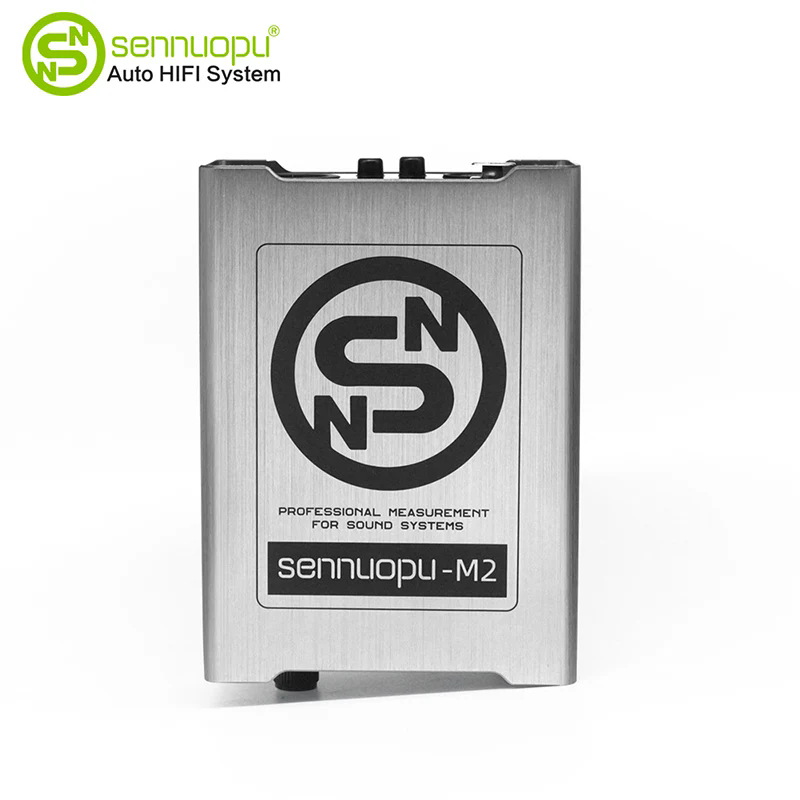
Brands committed to delivering high-fidelity car audio solutions recognize the importance of reliable test equipment. Companies such as Sennuopu offer professional-grade solutions that support installers, engineers, and automotive manufacturers worldwide. For those seeking dependable measurement tools or tailored technical guidance, contact us to explore comprehensive solutions designed for next-generation vehicle audio systems.