Whatsapp
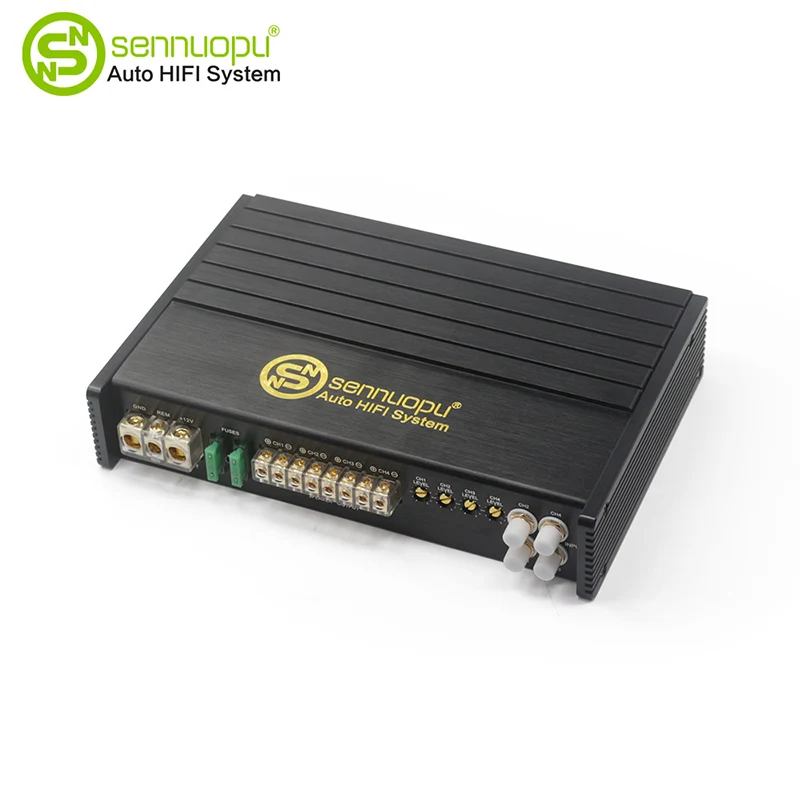
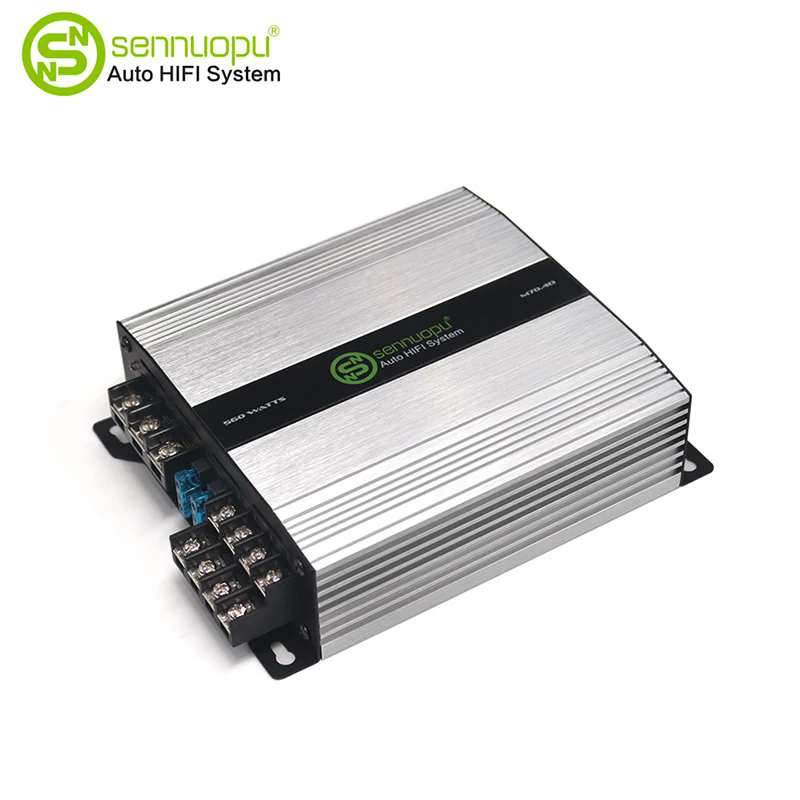
Car DSP amplifiers are rapidly reshaping the standard of in-car sound performance, delivering precision tuning, cleaner power output, and deeply customizable acoustic control that traditional amplifiers cannot match. As automotive consumers grow more demanding about immersive audio experiences, the role of DSP (Digital Signal Processing) technology becomes central to achieving clarity, balance, and tailored soundstage shaping inside complex vehicle cabins.
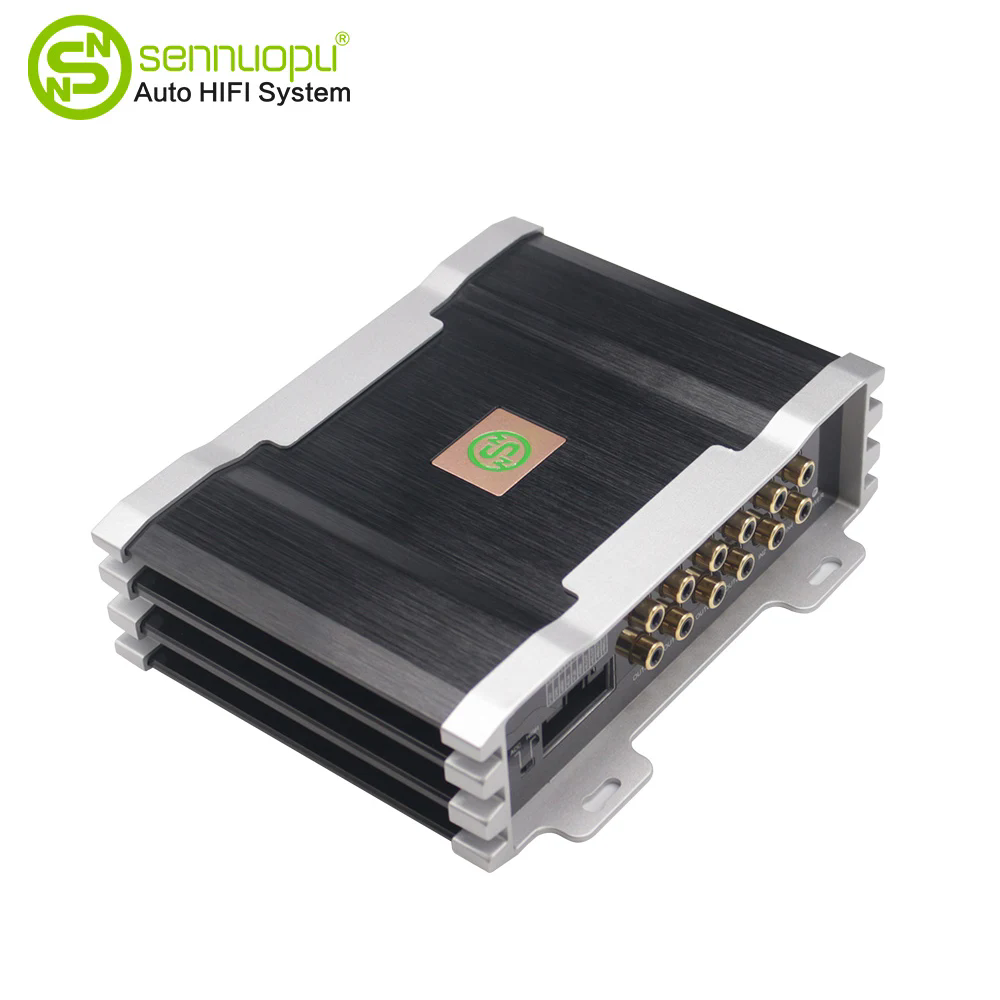
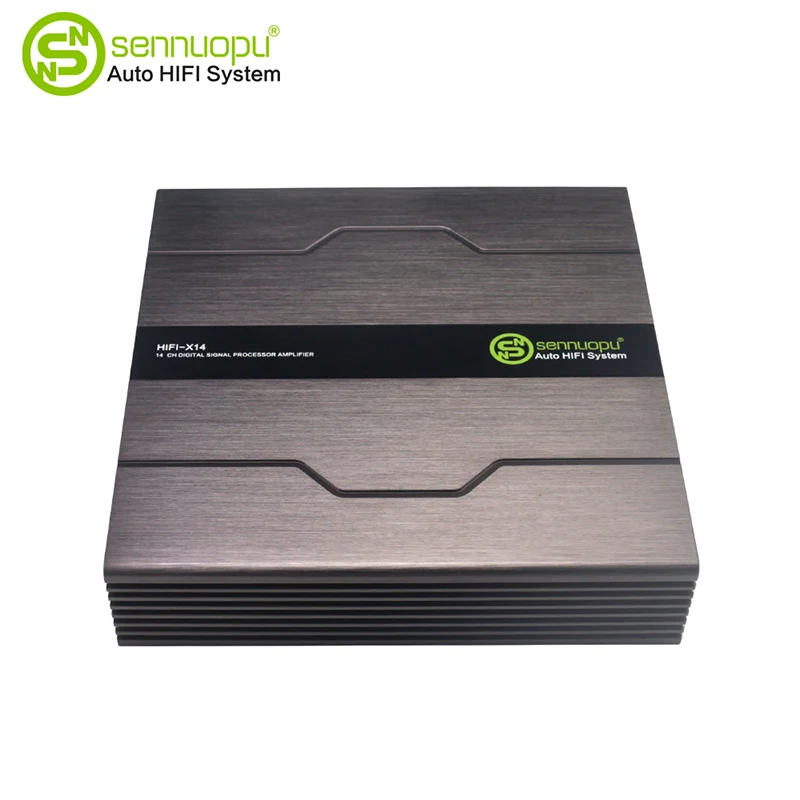
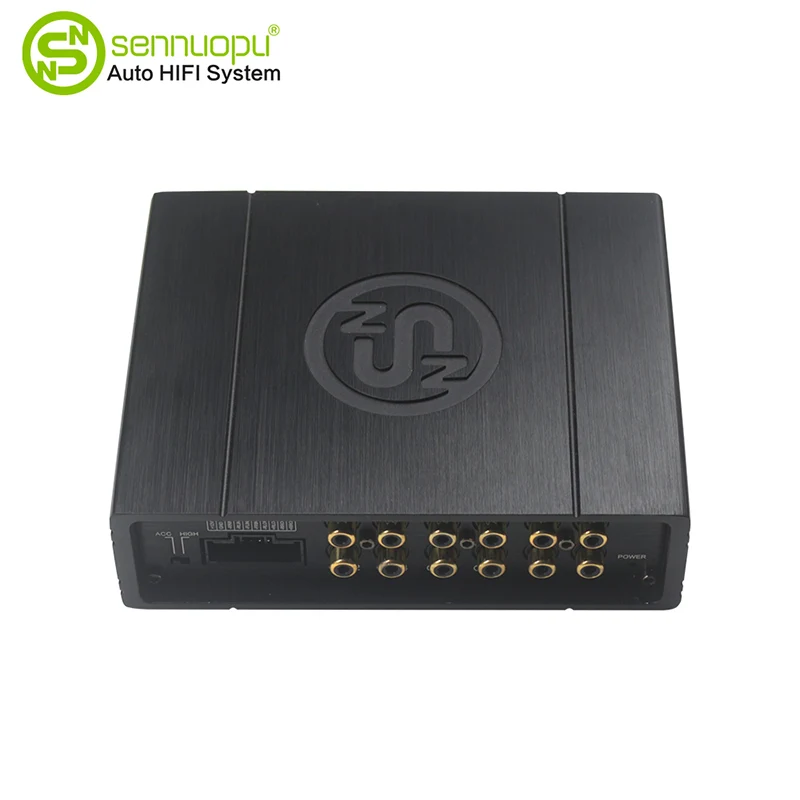
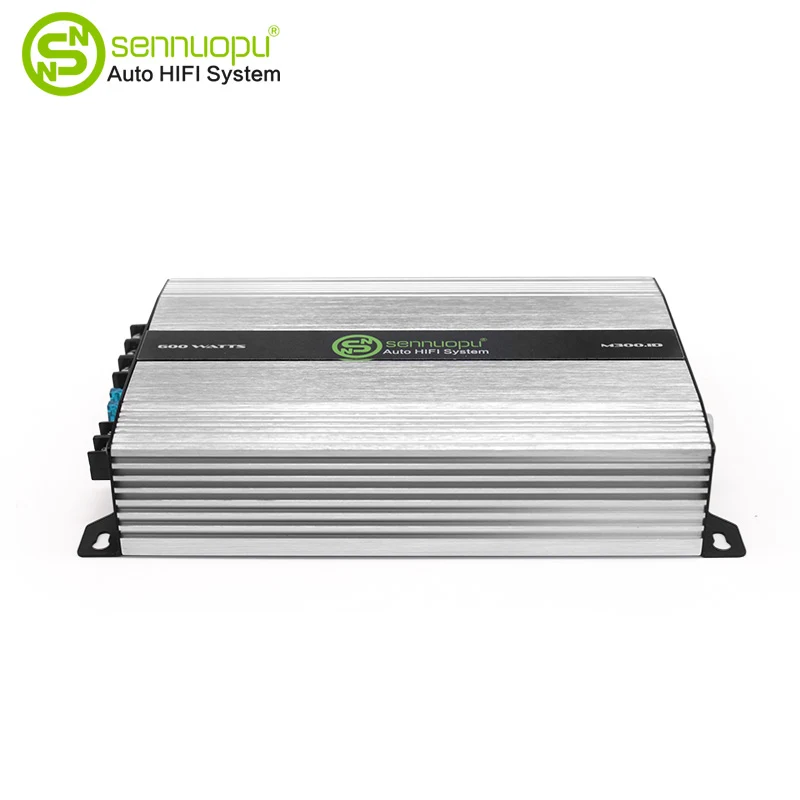
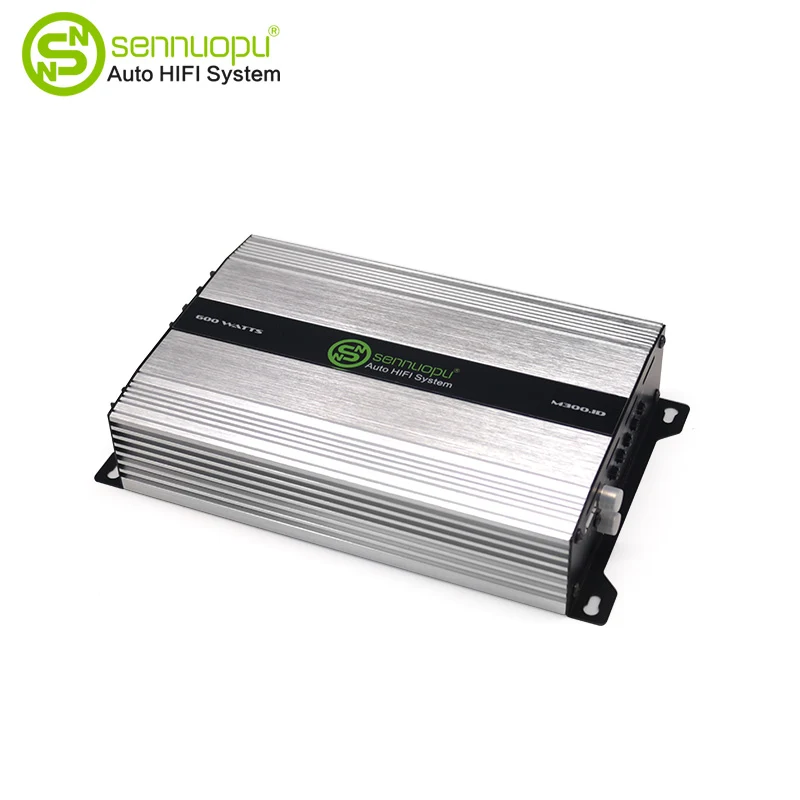
A Car DSP Amplifier integrates power amplification with digital sound processing capabilities, enabling real-time signal correction, frequency shaping, dynamic balancing, and precision tuning at a millisecond level. Instead of relying solely on analog filters or head-unit equalizers, DSP amplifiers create a fully digital pathway for sound customization, giving vehicles accurate control over each speaker and each frequency band.
| Specification Category | Technical Details |
|---|---|
| Power Output (RMS) | 6×85W / 8×65W / 10×50W depending on configuration |
| Signal-to-Noise Ratio | ≥ 98 dB |
| DSP Processor | 32-bit/64-bit DSP core with high-speed parallel processing |
| Frequency Response | 20 Hz – 22 kHz |
| THD+N (Distortion Level) | ≤ 0.03% |
| Input Options | High-level input / RCA low-level input / Optical input |
| Output Channels | 4-10 channels depending on model |
| Crossover Modes | HPF, LPF, BPF adjustable with variable slopes |
| Time Alignment | Per-channel digital delay micro-tuning |
| EQ Configuration | 31-band or 64-band full-parametric EQ |
| Cooling Technology | Aluminum heat-dissipation chassis with thermal protection |
| Control Interface | PC tuning software / App-based wireless control |
| Installation Compatibility | Universal fit for most OEM and aftermarket systems |
A well-designed DSP amplifier solves common issues found in factory audio setups, such as uneven frequency response, weak bass, limited dynamics, and sound dispersion distortions caused by vehicle cabin geometry.
Digital correction compensates for speaker placement limitations.
Real-time optimization produces clearer vocals and more accurate bass.
Multi-channel control enables fully personalized audio profiles.
Automotive EV platforms increasingly require compact, efficient amplifiers.
Consumers expect home-theater-level sound inside vehicles.
Digital audio engineering is no longer optional for brands seeking competitive advantage—DSP is becoming the new industry standard.
The advantage lies in signal intelligence. Traditional analog amplifiers simply increase volume, while DSP amplifiers analyze the sound waveform and reshape it before the signal reaches the speakers.
Time Alignment
Adjusts speaker timing so sound reaches the listener simultaneously.
Corrects delays caused by uneven speaker placement.
Parametric Equalization
Allows precision adjustment of frequency gain, width, and center point.
Removes unwanted resonance and strengthens key musical details.
Crossover Management
Ensures each speaker receives only the frequencies it is designed for.
Protects tweeters from low-frequency overload and improves bass definition.
Dynamic Compression & Limiting
Prevents distortion at high volumes.
Creates a stable and consistent sound signature.
Noise Filtering
Suppresses engine noise, alternator whine, and cabin interference.
Stronger and tighter bass response
Clearer vocals with studio-grade transparency
Wider and more immersive soundstage
Reduced distortion at high volume
Improved speaker longevity
More natural tonal balance
These enhancements combine to create a listening experience closer to high-end home audio systems, but calibrated precisely for the vehicle environment.
The shift is driven by both performance expectations and integration needs. Modern vehicles frequently include factory infotainment systems that cannot be replaced without losing core functions. A DSP amplifier becomes the solution because it can adapt to existing hardware while improving output quality.
Seamless integration with factory head units using high-level inputs.
Compensation algorithms reduce factory tuning limitations.
Small footprint allows under-seat or trunk installation.
Flexible channel outputs support multi-speaker configurations.
User-friendly tuning software helps installers deliver consistent results.
Electric Vehicle Acoustic Enhancement
EVs have quieter cabins, making sound imperfections more noticeable.
DSP amplifiers deliver ultra-clean audio suitable for quiet interiors.
AI-Assisted Audio Calibration (trend, not implementation in this article)
Automatic sound adjustments based on environment and passenger position.
Higher-Power Compact Designs
New chips allow greater power density in smaller housings.
Wireless Audio Ecosystems
More vehicles will integrate Bluetooth HD and Wi-Fi-based streaming.
Customization as a Consumer Expectation
Drivers increasingly want personalized sound profiles for music genres.
The future of automotive audio will revolve around precision, adaptability, and digital management—areas where Car DSP Amplifiers dominate.
Choosing the right DSP amplifier depends on vehicle type, speaker configuration, and desired sound characteristics. The following practical guidelines help users make an informed decision:
Channel count must match speaker layout and subwoofer requirements.
RMS power should align with speaker tolerance to avoid clipping.
Input compatibility must match factory or aftermarket head units.
DSP resolution determines tuning accuracy.
Software interface should be intuitive and stable.
Heat management varies depending on vehicle placement.
Upgrade scalability allows adding subwoofers or extra channels later.
Stronger mid-bass presence and deeper low frequencies
Defined vocal separation and imaging
Enhanced loudness without distortion
Smoother high-frequency performance
Improved surround and soundstage depth
Dynamic response tailored to the listener
Reduction of harshness and unwanted resonance
By focusing on core technical capabilities—such as true RMS output, high-resolution DSP chips, and intelligent signal routing—drivers gain both measurable performance upgrades and long-term reliability.
Q1: Can a Car DSP Amplifier work with a factory head unit that does not have RCA outputs?
A1: Yes. Most high-quality DSP amplifiers support high-level speaker inputs that allow direct connection to factory systems. The DSP processor reads the incoming signal, corrects factory EQ curves, and produces a clean digital output that greatly improves sound clarity without requiring the replacement of the original head unit.
Q2: Will a DSP amplifier improve sound quality even if the speakers are not upgraded?
A2: Absolutely. A DSP amplifier can significantly enhance sound performance even with stock speakers. By optimizing frequency response, adjusting time alignment, and correcting tonal imbalances, the DSP can extract better clarity and dynamic range from existing hardware. Upgrading speakers later can produce even stronger results, but a DSP amplifier alone already makes a noticeable difference.
The rapid evolution of in-car entertainment systems positions Car DSP Amplifiers as essential components for achieving advanced sound control, precise tuning, and immersive audio performance. By combining high-power amplification with intelligent digital processing, these devices solve longstanding acoustic challenges and prepare vehicles for the next generation of connected, customizable audio environments. From deep bass management to high-resolution signal shaping, DSP amplifiers offer transformative improvements that elevate both daily driving and premium listening experiences.
As automotive sound expectations continue to rise, brands specializing in audio engineering become increasingly important. Sennuopu, known for its strong technical foundation and commitment to innovation, delivers DSP amplifier solutions built for exceptional durability, customization, and acoustic precision. For those seeking a refined and powerful upgrade to their vehicle audio system, exploring Sennuopu’s advanced lineup provides a reliable path toward superior performance.
If you are ready to enhance your vehicle’s sound experience or need expert guidance on selecting the right DSP amplifier, contact us to receive professional support and tailored product recommendations.