Whatsapp
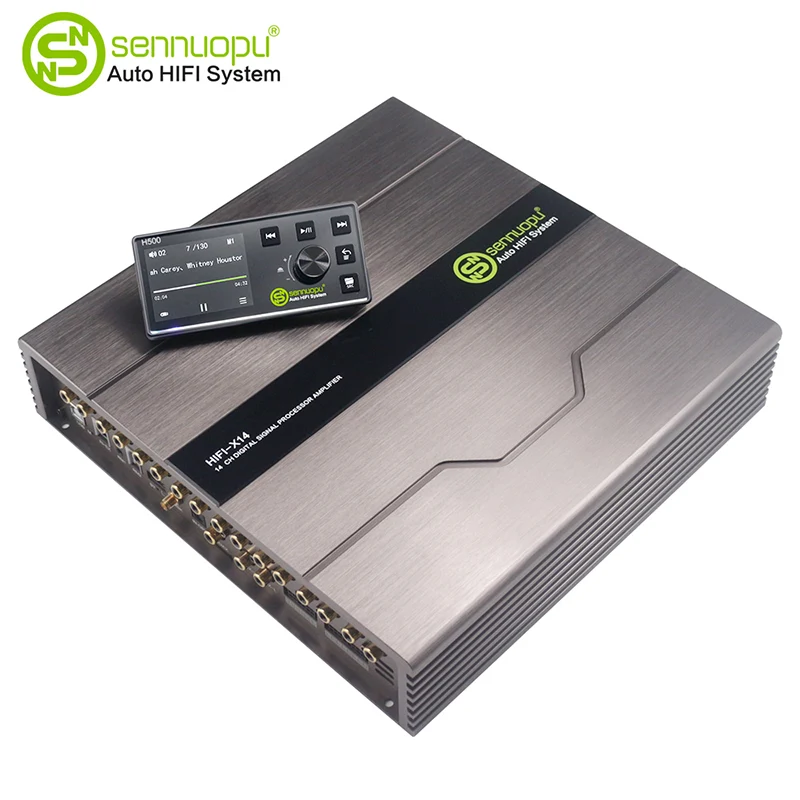
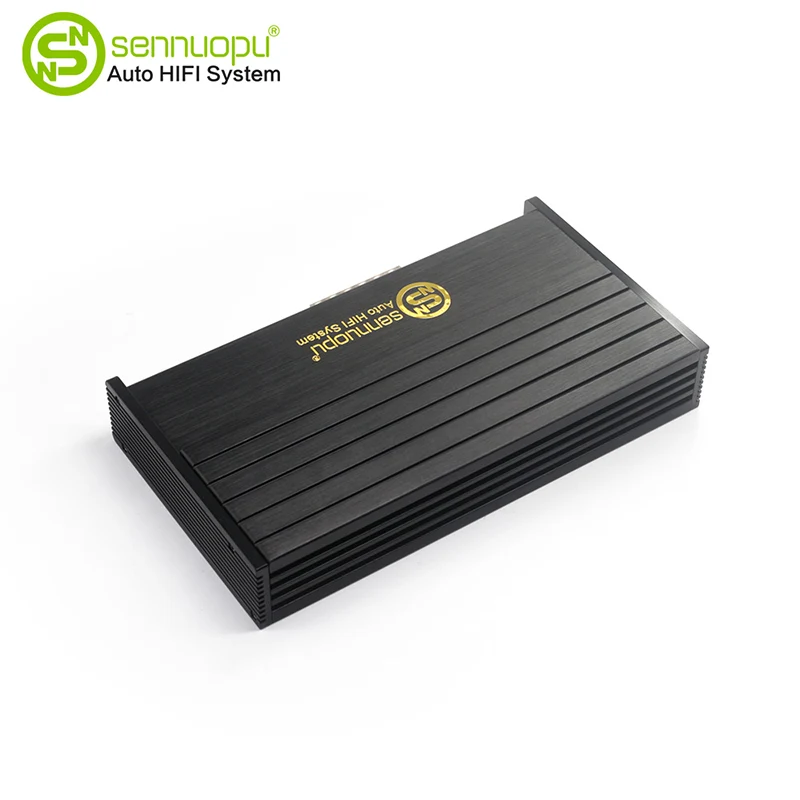
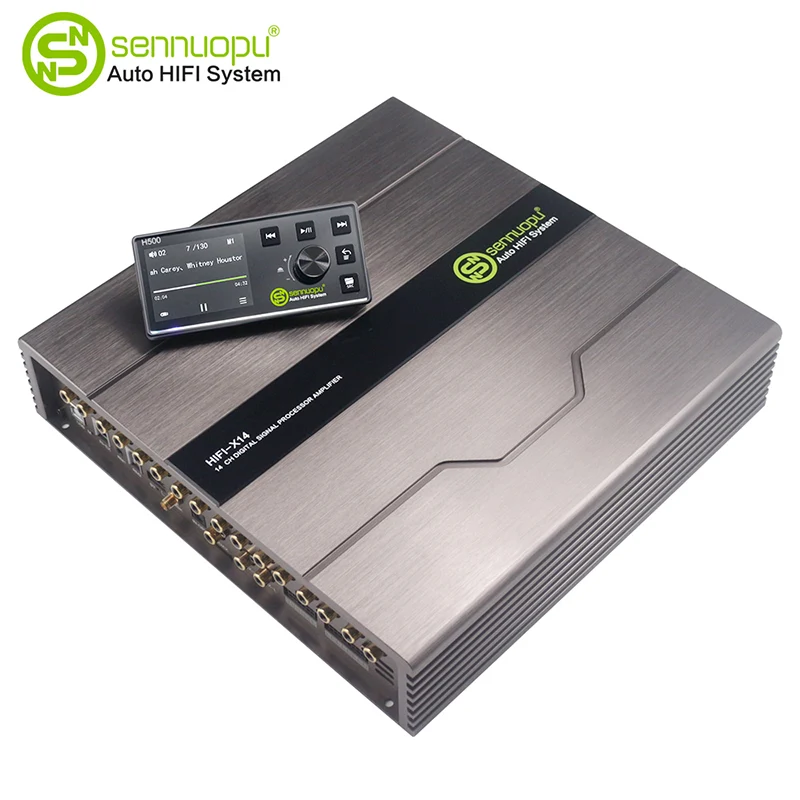
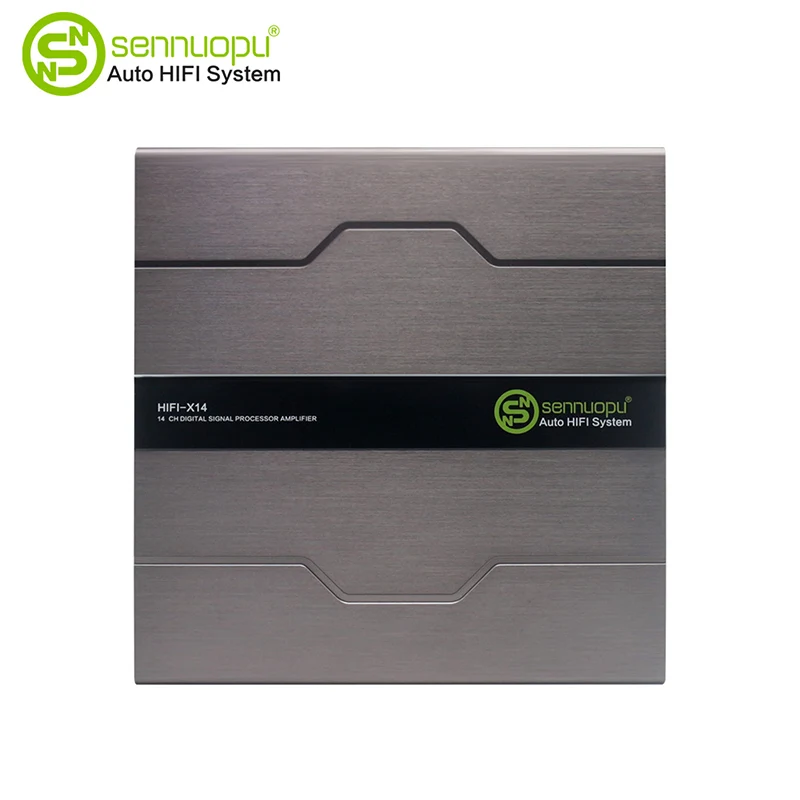
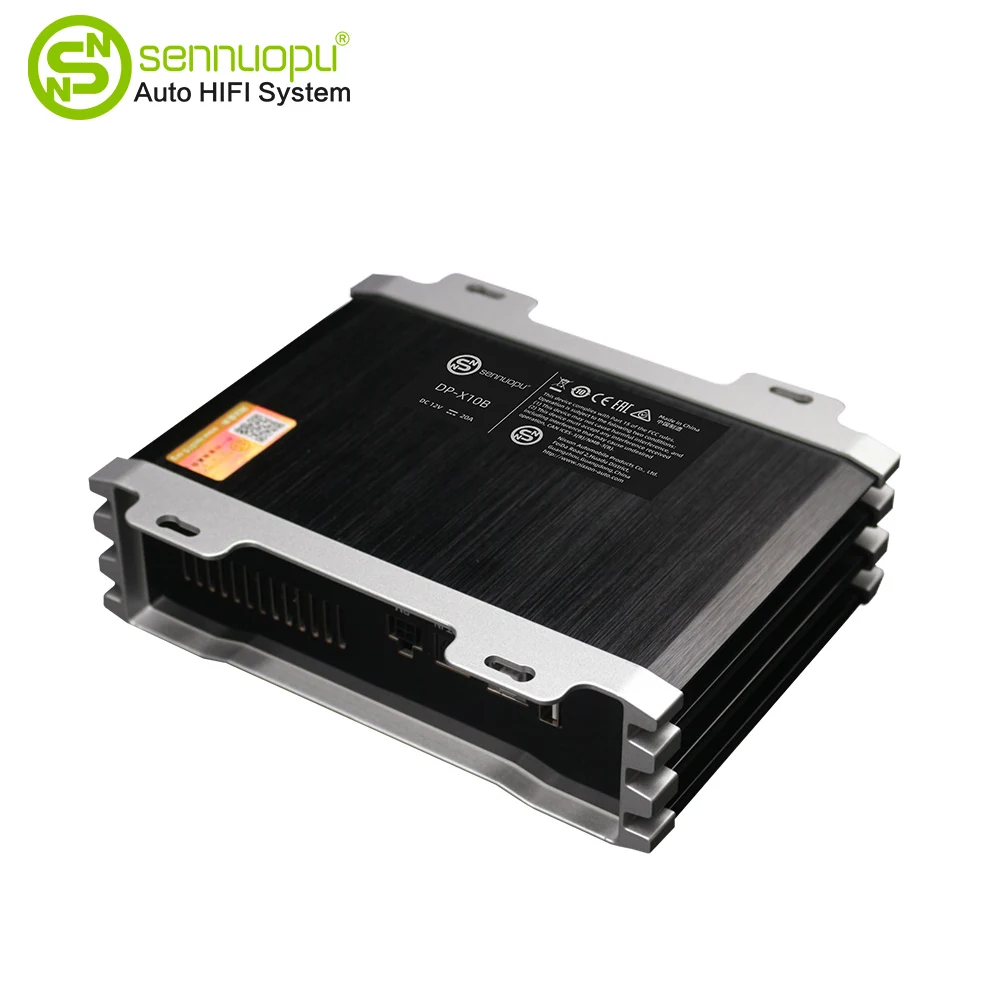
For drivers seeking premium in-car sound, Sennuopu offers the 16-Channel Hi-Res Digital Sound Processor with 14 Channel Amplifier, designed to combine advanced digital signal processing, integrated amplification, and flexible system connectivity for an immersive listening experience.
A high-performance car audio system requires more than powerful speakers. It also needs precise signal processing, balanced frequency distribution, and sufficient amplification to reproduce music with clarity and impact. The Sennuopu HIFI-X14 integrates a 16-channel digital signal processor (DSP) with a 14-channel amplifier, supporting detailed audio tuning and versatile system configurations. With dual ADAU1452 DSP chips, a sampling rate of up to 96 kHz, 16-channel RCA outputs, and multiple input options, this solution is designed for enthusiasts upgrading factory-installed audio or building a customized multi-speaker system. Understanding its specifications, integration options, and tuning capabilities can help buyers determine whether it suits their vehicle and listening preferences.
1. Understanding the 16-Channel DSP and 14-Channel Amplifier
2. Digital Processing Technology and Hi-Res Performance
3. Amplification Power and Speaker Configuration
4. Flexible Inputs and System Connectivity
5. Key Technical Specifications
6. Practical Applications and Installation Considerations
7. How to Choose the Right Car Audio Processor
A digital signal processor is an essential component in an advanced automotive sound system. It enables installers to adjust audio signals before they reach the speakers, helping improve tonal balance, sound staging, and the integration of different speaker types.
The Sennuopu HIFI-X14 combines 16-channel digital signal processing with 14 channels of built-in amplification. This configuration provides extensive signal-routing possibilities while reducing the need for a separate amplifier for every powered speaker channel.
The distinction between these channel counts is important. The 16-channel DSP provides processing and output flexibility, while the 14-channel amplifier supplies power to compatible speakers. The system also offers 16-channel RCA outputs for users who want to expand their setup with additional external amplification.
For car audio enthusiasts, this architecture offers several practical advantages:
Explore the Sennuopu HIFI-X14 product page for additional product details and purchasing inquiries.
Advanced processing is particularly valuable inside a vehicle, where speaker positions, reflective surfaces, seating locations, and cabin dimensions can affect the perceived sound. A capable DSP gives installers more control over these variables.
The HIFI-X14 uses two ADAU1452 digital signal processor chips. According to the published specifications, its 64-bit DSP kernel operates at up to 2 × 295 MHz, with a supported sampling rate of up to 96 kHz.
This processing architecture supports sophisticated audio adjustments across multiple channels. However, the final listening result also depends on the source recording, speaker quality, installation accuracy, and tuning settings.
The processor supports 31-band parametric and graphic equalization options, alongside six default EQ groups. These functions help installers address frequency peaks, dips, and differences between speakers.
Adjustable filter slopes range from 6 to 48 dB per octave. Appropriate crossover settings can help direct low-frequency signals toward woofers and subwoofers while assigning suitable frequency ranges to midrange drivers and tweeters.
The processor also supports time-delay adjustment from 0 to 20 milliseconds. This feature helps compensate for differences in speaker-to-listener distances, potentially improving the perceived placement of vocals and instruments.
For the best outcome, equalization, crossover points, and delay settings should be configured according to the actual speaker system rather than relying solely on generic presets.
Amplification determines how effectively an audio system can drive its speakers within the intended operating conditions. The HIFI-X14 combines Class AB and Class D amplification, offering different power ratings for various speaker applications.
Its published amplifier output ratings are:
The specification identifies the 120 W channels as Class D and lists Class AB amplification for the 50 W and 90 W groups. Buyers should confirm the precise channel allocation and operating conditions with the manufacturer before finalizing a system design.
This power arrangement can support different speaker roles, including tweeters, midrange drivers, woofers, and subwoofers, provided their impedance, power handling, crossover requirements, and wiring configurations are compatible.
The product documentation also lists bridged output at 350 W RMS at 4 ohms. Because bridging changes the electrical load and operating conditions, users should verify the supported bridging configuration before connecting a speaker or subwoofer.
Remember that amplifier power alone does not determine sound quality. Speaker sensitivity, acoustic design, distortion, electrical supply stability, and proper gain adjustment all influence the final result.
Vehicle audio upgrades often involve different source devices and factory-installed equipment. A processor that supports multiple input types can make integration more convenient, although compatibility must be checked for each vehicle and audio source.
The Sennuopu HIFI-X14 supports several input options:
For owners who want to retain the original head unit, high-level input can be especially useful. It may allow an upgraded sound system to work with the existing vehicle interface rather than requiring immediate replacement of the factory source unit.
For other installations, an aftermarket head unit, digital media controller, or compatible smartphone streaming setup may be more appropriate. Confirm supported formats, connection methods, and source-control functions before purchasing additional equipment.
The following table summarizes the published specifications of the Sennuopu HIFI-X14. These figures provide a starting point for comparing processors and planning an audio installation.
| Specification | Published Details |
|---|---|
| Model | HIFI-X14 |
| DSP Configuration | 16-channel DSP with dual ADAU1452 processors |
| DSP Kernel | 64-bit, up to 2 × 295 MHz |
| Sampling Rate | Up to 96 kHz |
| Built-in Amplifier | 14 channels |
| Amplifier Output | 8 × 50 W + 4 × 90 W + 2 × 120 W RMS at 4 ohms |
| Bridged Output | 350 W RMS at 4 ohms, as specified |
| RCA Audio Output | 16 channels |
| Signal-to-Noise Ratio | At least 112 dB |
| THD+N | At most 0.005% |
| Frequency Response | 20 Hz–20 kHz |
| Equalization | 31-band PEQ/GEQ; six default EQ groups |
| Filter Slopes | 6/12/18/24/30/36/42/48 dB per octave |
| Time Delay | 0–20 milliseconds |
| Operating Voltage | 9–16 V |
| Dimensions | 285 × 280 × 70 mm |
| Weight | Approximately 8 kg |
Specifications should always be evaluated in context. For example, the stated signal-to-noise ratio and distortion figures describe technical performance under defined test conditions; they do not independently guarantee a particular listening experience in every vehicle.
A multi-channel DSP amplifier can be useful in several car audio upgrade scenarios, depending on the available installation space, speaker layout, and desired system complexity.
Vehicles with factory-installed premium audio may benefit from more advanced signal control and additional output flexibility. The HIFI-X14's high-level inputs are intended to accommodate compatible factory audio signals. However, vehicle-specific signal processing, digital communication protocols, and factory amplifier arrangements may require additional integration hardware.
Enthusiasts building a customized system can use DSP tuning to coordinate tweeters, midrange speakers, woofers, and subwoofers. The 16-channel RCA outputs also provide flexibility when external amplifiers are needed for additional speaker zones or higher power requirements.
Professional installation is recommended for complex multi-channel systems, especially when factory electronics or bridged amplifier configurations are involved.
Before selecting a high-performance DSP amplifier, compare the product's capabilities with your actual audio goals. A higher channel count is useful only when it supports the system you intend to build.
The HIFI-X14 is worth evaluating when your project calls for extensive digital processing, integrated amplification, and multiple expansion options in one unit.
The 16-channel DSP processes and routes audio signals across multiple channels, while the 14-channel amplifier supplies electrical power to connected speakers. The different channel counts provide processing and expansion flexibility, but they do not mean that every DSP output is powered by the built-in amplifier.
The HIFI-X14 supports 14-channel high-level input, which is intended for compatible factory audio outputs. Actual compatibility depends on the vehicle's signal configuration, factory amplifier, and any proprietary digital audio connections. Verify these details before installation.
Yes. Its 16-channel RCA outputs provide a way to connect compatible external amplifiers. This can be useful when a system requires additional power or a configuration beyond the capabilities of the built-in 14-channel amplifier.
Time alignment allows installers to compensate for differences in the distances between speakers and the listening position. When configured correctly, it can improve the perceived placement of vocals and instruments and create a more coherent soundstage.
Not necessarily. Buyers should assess installation dimensions, electrical compatibility, speaker impedance, audio-source connections, and system requirements. Professional advice can help determine whether the processor fits a particular vehicle and speaker configuration.
The Sennuopu HIFI-X14 combines 16-channel digital signal processing, 14-channel built-in amplification, multiple input options, and 16-channel RCA outputs in a flexible car audio platform. Its dual DSP architecture, adjustable equalization, crossover controls, and time-delay functions make it a candidate for enthusiasts seeking greater control over their in-car sound system. The best results depend on selecting compatible speakers, planning the system carefully, and completing accurate installation and tuning.
Ready to upgrade your vehicle's sound system with a versatile digital processor and integrated amplifier? Visit the Sennuopu HIFI-X14 product page to review the specifications and discuss your project requirements. If you need help confirming compatibility, planning a multi-channel configuration, or exploring purchasing options, contact us to discuss a suitable car audio solution for your needs.