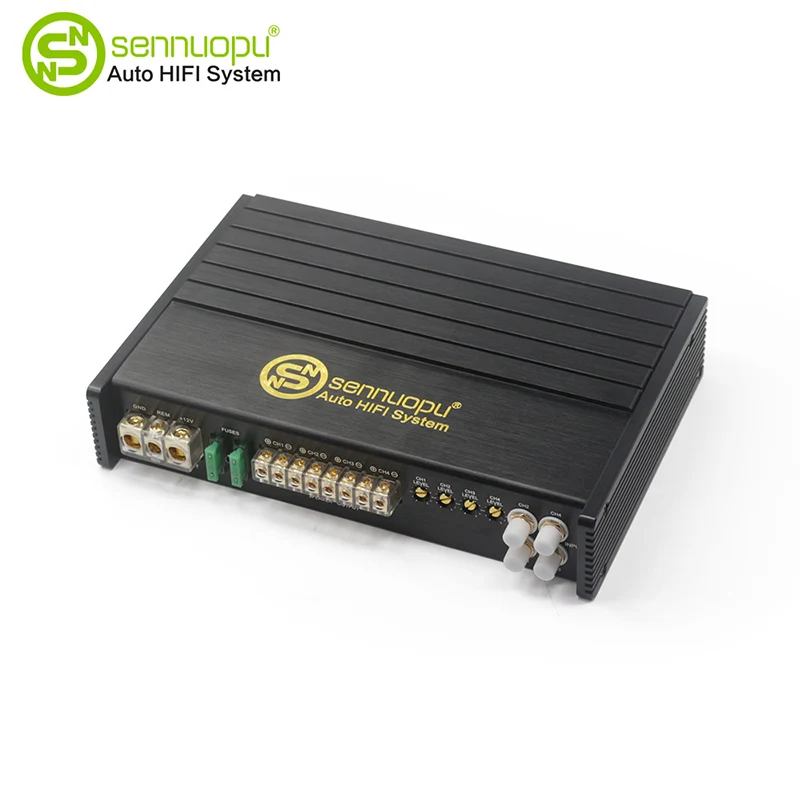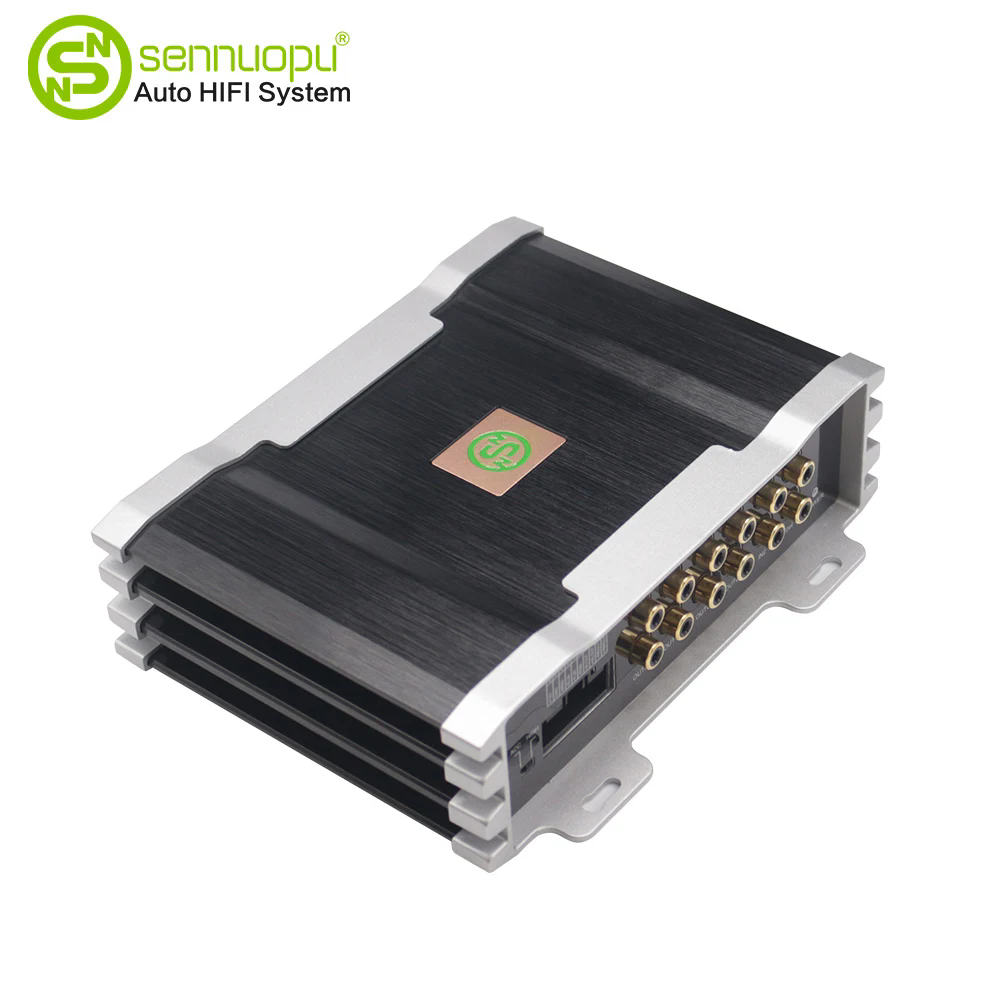



Article Summary: A well-designed digital signal processor can make a major difference in how a vehicle audio system handles clarity, imaging, bass, and overall balance. The Car DSP 8-channel Digital Signal Processor from Sennuopu, represented by the DP-X680, combines an 8-channel DSP with a 6-channel amplifier, high-resolution audio processing, flexible equalization, crossover control, time alignment, and multiple input options. This article explains how these functions work together and what buyers should consider when upgrading a vehicle sound system.
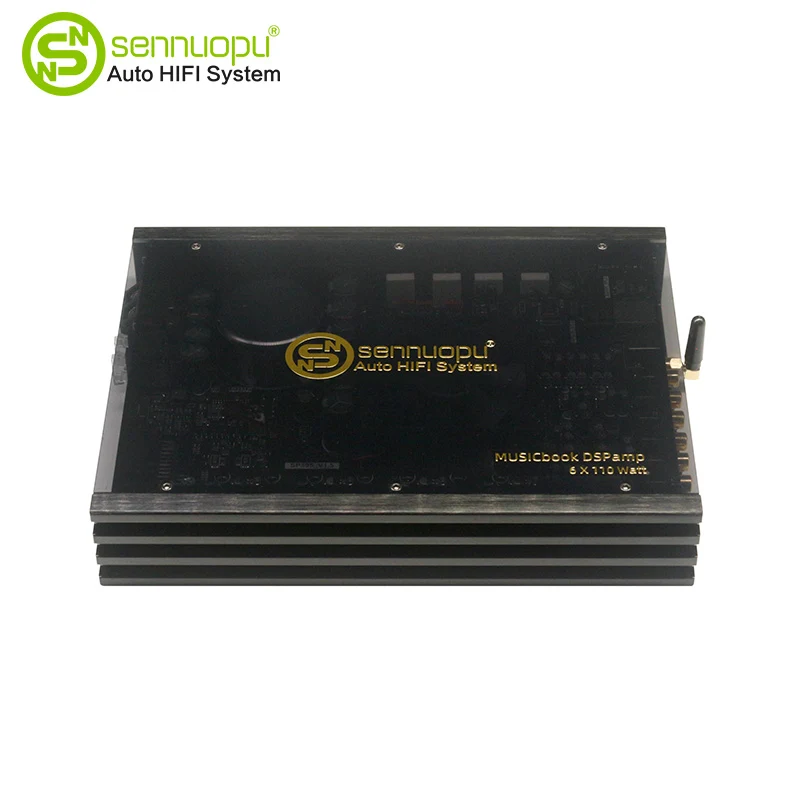
Table of Contents
- Why Does a Car Audio System Need a Digital Signal Processor?
- How Does an 8-Channel DSP Improve Vehicle Sound?
- What Are the Key Features of the Sennuopu DP-X680?
- What Specifications Matter When Choosing a Car DSP?
- Where Can an 8-Channel Car DSP Be Used?
- How Should a Car DSP Be Installed and Tuned?
- What Should Buyers Consider Before Purchasing?
- Frequently Asked Questions
Why Does a Car Audio System Need a Digital Signal Processor?
Upgrading speakers alone does not always produce the expected improvement in a vehicle. A car cabin is a complex acoustic environment where glass, seats, dashboard surfaces, door panels, and irregular cabin geometry can affect how sound travels. The result may be uneven frequency response, delayed sound from different speakers, weak imaging, or excessive bass in certain listening positions.
A digital signal processor provides a control layer between the audio source, amplifier, and speakers. Instead of sending the same unprocessed signal to every speaker, a DSP can divide and optimize the audio signal for individual channels. This allows the installer to adjust frequency response, crossover points, signal timing, and other parameters according to the vehicle's acoustic characteristics.
An 8-channel architecture is particularly useful for systems containing multiple front, rear, center, and subwoofer channels. It provides more independent processing paths than a basic stereo setup, giving installers greater flexibility when creating a balanced soundstage.
How Does an 8-Channel DSP Improve Vehicle Sound?
The main advantage of a DSP is not simply adding more power. Its value comes from controlling the audio signal with greater precision before it reaches the speakers. Several functions contribute to this improvement.
Individual Channel Processing
Each channel can be adjusted independently. This is important because speakers positioned in different parts of a vehicle do not necessarily produce the same acoustic response at the driver's listening position.
Equalization
Equalization allows specific frequency ranges to be increased or reduced. The DP-X680 provides a 31-band adjustable equalizer covering 20 Hz to 20 kHz, giving installers detailed control over the tonal balance.
Time Alignment
Because speakers are located at different distances from the listener, sound from each channel can arrive at slightly different times. The DP-X680 supports delay adjustment from 0 to 20 milliseconds, helping installers improve stereo imaging and the perceived position of vocals and instruments.
Crossover Management
Crossover settings determine which frequencies are sent to different speakers. The DP-X680 supports Linkwitz-Riley, Bessel, and Butterworth filter types with slopes from 6 to 48 dB/octave. This provides useful flexibility when integrating full-range speakers, tweeters, midrange drivers, and subwoofers.
What Are the Key Features of the Sennuopu DP-X680?
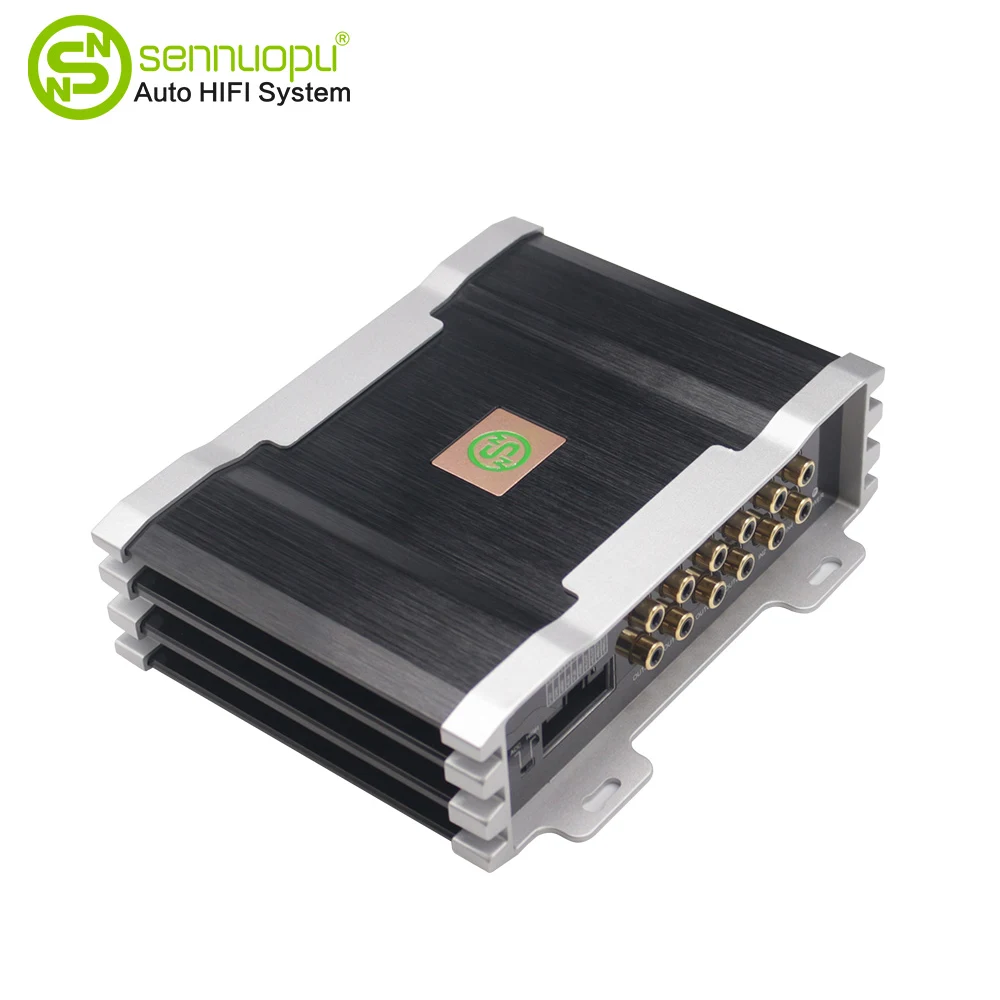
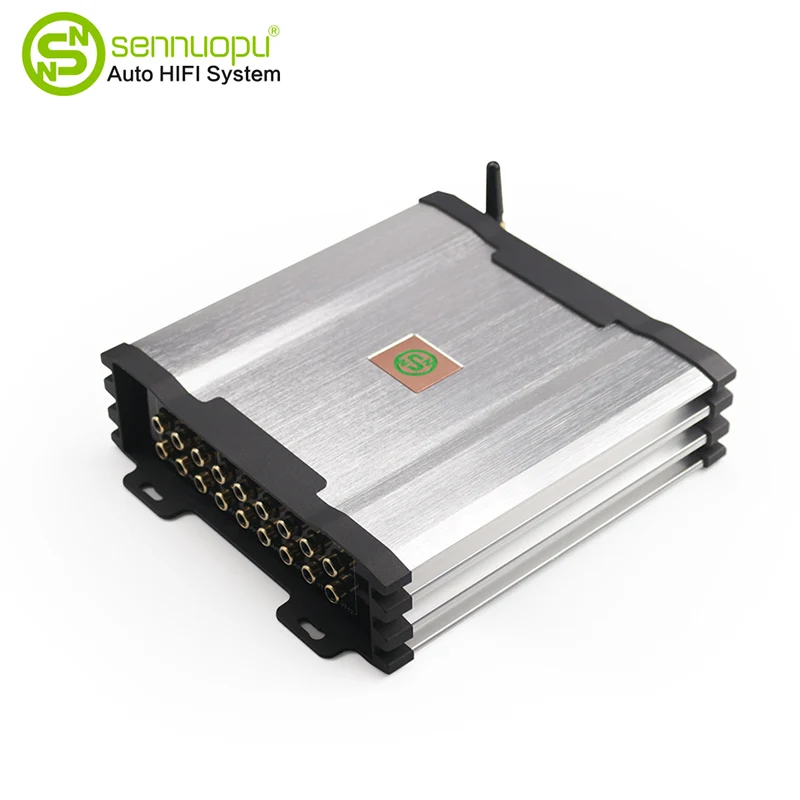
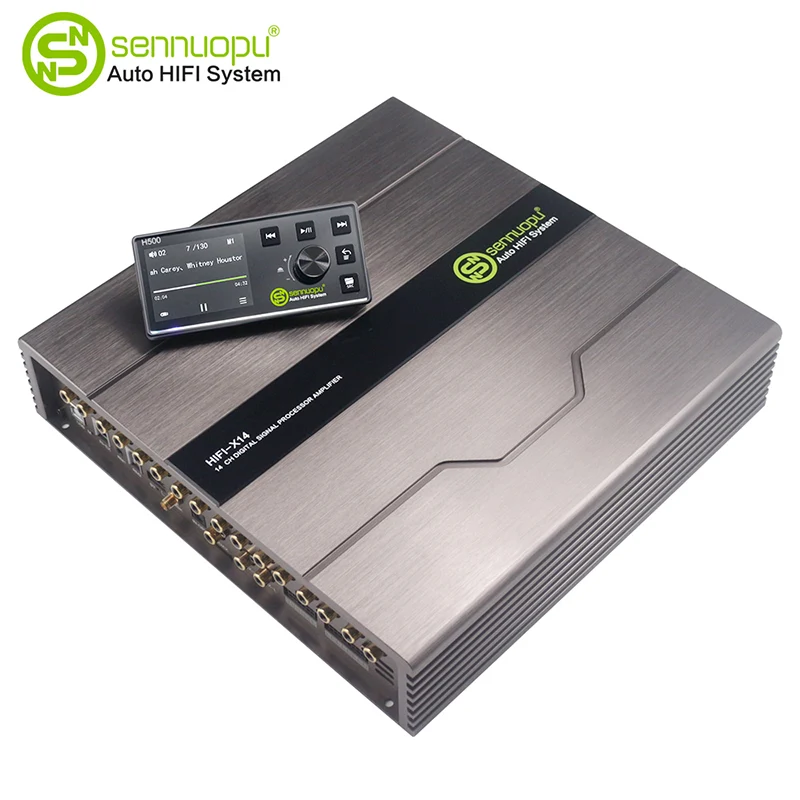
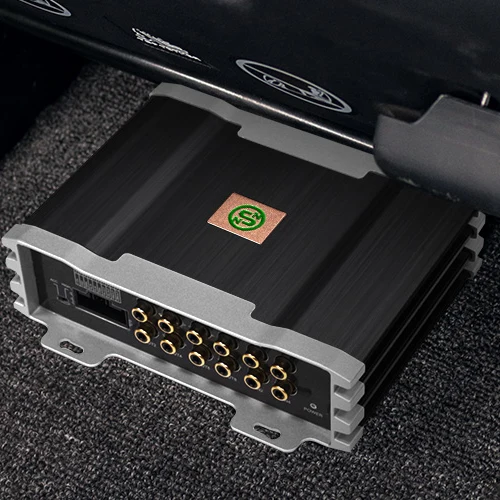
The Sennuopu DP-X680 is designed as a combined amplifier and DSP solution. According to its product specifications, it integrates a 6-channel amplifier with an 8-channel DSP, allowing system power and signal processing to be managed in one platform. The amplifier provides RMS output of 110 watts × 6 at 4 ohms, while channels 5 and 6 can be bridged for high-power bass applications.
- 8-channel DSP: Supports detailed independent channel processing.
- 6-channel amplifier: Provides integrated amplification for compatible speaker configurations.
- High-resolution processing: Supports 24-bit/96 kHz system sampling.
- 31-band equalizer: Enables detailed frequency-response adjustment.
- Multiple filter options: Linkwitz-Riley, Bessel, and Butterworth filters are supported.
- Time alignment: Provides 0–20 ms delay adjustment.
- Bluetooth 5.1: Provides a wireless audio input option.
- Optical and USB inputs: Supports additional digital audio sources.
- Multiple output channels: Eight RCA outputs provide system integration flexibility.
For installers and car audio enthusiasts, combining amplification and DSP functions can simplify system architecture while providing extensive tuning capability.
What Specifications Matter When Choosing a Car DSP?
When comparing digital signal processors, buyers should look beyond the number of channels. Signal quality, processing resolution, connectivity, amplifier capability, and tuning flexibility all affect whether a DSP can meet the requirements of a particular vehicle audio system.
| Specification | Sennuopu DP-X680 | Why It Matters |
|---|---|---|
| DSP Channels | 8 channels | Provides independent processing paths for complex audio systems |
| Amplifier Channels | 6 channels | Supports integrated multi-channel amplification |
| RMS Output | 110 W × 6 @ 4Ω | Provides substantial power for compatible speakers |
| Bridged Output | Up to 480 W @ 4Ω | Useful for dedicated bass applications |
| Dynamic Range | ≥110 dB | Helps preserve audio detail across the usable signal range |
| SNR | ≥98 dB | Helps maintain a cleaner signal relative to background noise |
| THD | ≤0.05% | Indicates low measured harmonic distortion |
| Sampling | 24-bit/96 kHz | Supports high-resolution digital audio processing |
| Equalizer | 31-band, 20 Hz–20 kHz | Allows detailed tonal adjustment |
| Delay | 0–20 ms | Supports speaker time alignment |
These specifications should always be evaluated alongside speaker impedance, vehicle electrical conditions, installation requirements, and the intended system configuration rather than considered in isolation.
Where Can an 8-Channel Car DSP Be Used?
An 8-channel DSP can serve a variety of automotive audio applications. It is particularly suitable for systems where several speakers require independent tuning or where the original vehicle audio system needs more sophisticated signal management.
- Premium car audio upgrades: Suitable for enthusiasts who want greater control over tonal balance and soundstage.
- OEM audio enhancement: Multiple input options can help integrate different vehicle audio sources.
- Multi-speaker systems: Eight DSP channels provide useful flexibility for systems with several speaker groups.
- Subwoofer integration: Bridging amplifier channels can provide additional power for compatible bass drivers.
- Professional tuning: Equalization, filtering, and delay functions support detailed installer adjustments.
- Custom automotive audio projects: Flexible inputs and outputs make the processor suitable for tailored system configurations.
For more information about related car DSP amplifier solutions, buyers can compare integrated processing and amplification approaches according to their system requirements.
How Should a Car DSP Be Installed and Tuned?
Good DSP performance depends on more than the processor itself. Correct installation and systematic tuning are essential. The first step is to confirm the vehicle's electrical supply, speaker impedance, input signal type, and available installation space.
- Identify the existing audio architecture. Determine the source unit, factory amplifier, speaker layout, and available signal connections.
- Plan channel allocation. Assign DSP and amplifier channels to the front, rear, center, or bass sections of the system.
- Verify signal levels. Correct gain structure helps prevent unnecessary noise or distortion.
- Set crossover points. Select suitable high-pass and low-pass filters for each speaker type.
- Adjust equalization. Correct measurable frequency-response problems before making subjective tonal adjustments.
- Apply time alignment. Delay individual channels according to speaker-to-listener distances.
- Test at multiple listening levels. Confirm that the system remains balanced without unwanted distortion or excessive bass.
Professional measurement equipment can make the tuning process more repeatable. However, experienced installers can also combine measurement data with controlled listening tests to refine the final result.
What Should Buyers Consider Before Purchasing?
Choosing the right DSP starts with the complete audio system rather than the processor alone. Before purchasing, consider the following factors:
- How many speakers and subwoofers need independent processing?
- Does the vehicle provide high-level, RCA, optical, USB, or Bluetooth sources?
- Is integrated amplification preferred over a separate amplifier and DSP?
- What output power is appropriate for the selected speakers?
- Does the processor provide enough EQ bands and crossover flexibility?
- Is time alignment available for precise speaker positioning?
- Can the installation integrate with the vehicle without unnecessary modification?
- Does the supplier provide technical support for installation and tuning?
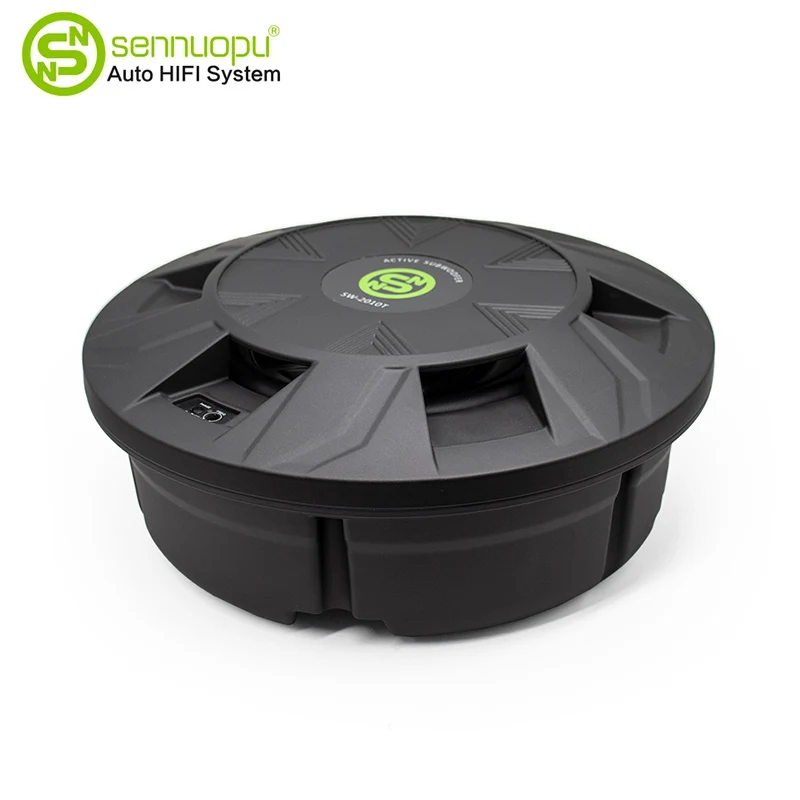
For B2B buyers, installers, distributors, and automotive audio specialists, it is also useful to evaluate supplier experience, product consistency, available customization options, and after-sales technical support. Sennuopu presents the DP-X680 as part of its broader range of automotive audio products, including amplifiers, DSP systems, subwoofers, speakers, and audio testing equipment.
Frequently Asked Questions
1. What is a Car DSP 8-channel Digital Signal Processor?
A Car DSP 8-channel Digital Signal Processor is an automotive audio processing device that provides eight independent digital signal-processing channels. It can be used to manage equalization, crossover settings, signal delay, and other audio parameters for different speaker channels.
2. Does the Sennuopu DP-X680 include an amplifier?
Yes. The DP-X680 combines an 8-channel DSP with a 6-channel amplifier. Its specifications list 110 watts RMS × 6 at 4 ohms, while channels 5 and 6 can be bridged for a high-power bass output configuration.
3. What audio inputs does the DP-X680 support?
The product specifications list four high-level inputs, four RCA inputs, Bluetooth 5.1, USB, and optical input support. This gives installers several options for integrating different audio sources.
4. Can a DSP improve the soundstage in a vehicle?
A DSP can help improve soundstage control by allowing individual channel adjustment and time alignment. By compensating for differences in speaker distance and frequency response, installers can create a more controlled listening position.
5. Is an 8-channel DSP suitable for a factory audio upgrade?
It can be suitable when its input and output architecture matches the vehicle's existing system. Before installation, the installer should verify signal compatibility, electrical requirements, speaker impedance, channel allocation, and available space.
Conclusion: Is an 8-Channel DSP the Right Foundation for a High-Quality Car Audio System?
A carefully configured DSP can give a vehicle audio system substantially greater control over signal distribution, tonal balance, crossover behavior, and speaker timing. The Sennuopu DP-X680 combines eight DSP channels with six amplifier channels, 24-bit/96 kHz processing, a 31-band equalizer, multiple filter types, time alignment, and flexible connectivity. For installers, distributors, and audio enthusiasts evaluating an advanced automotive sound solution, these functions provide a practical foundation for building and tuning a customized in-car listening environment. If you are looking for a suitable configuration, OEM solution, or professional automotive audio product, contact us to discuss your application requirements and explore the appropriate Sennuopu audio solution.