News

Why Should You Choose an 8-CH Auto Power Amp + 10-CH Digital Sound Processor for a Superior Car Audio Experience

2026-11-10 0 Leave me a message

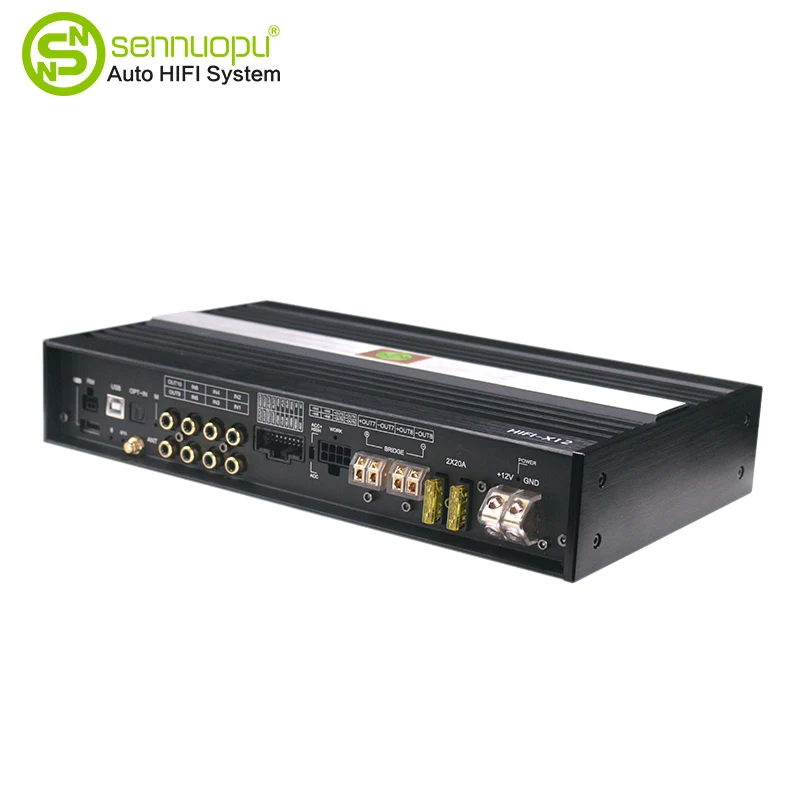
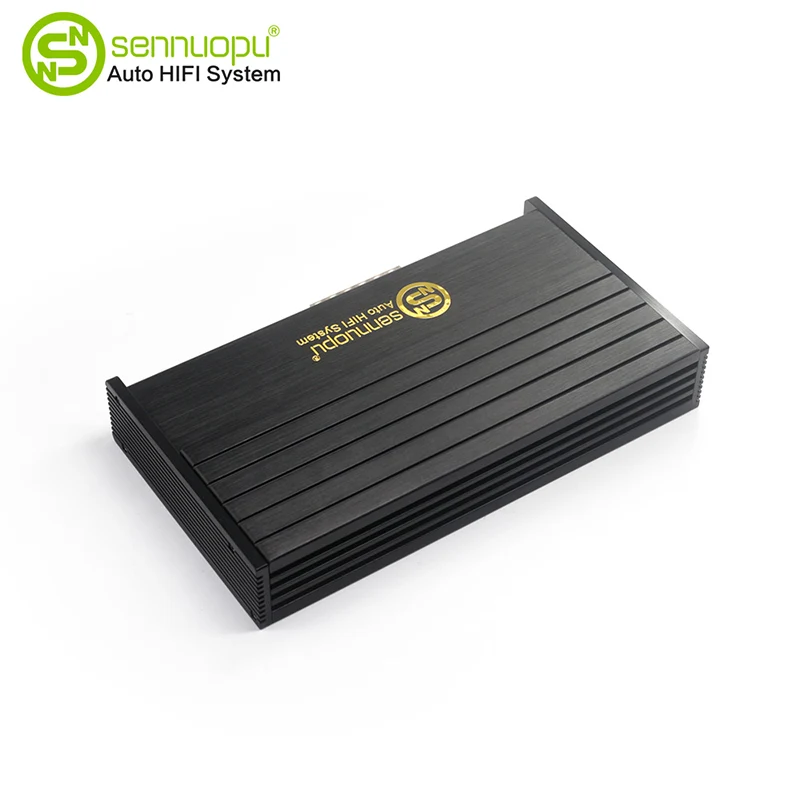
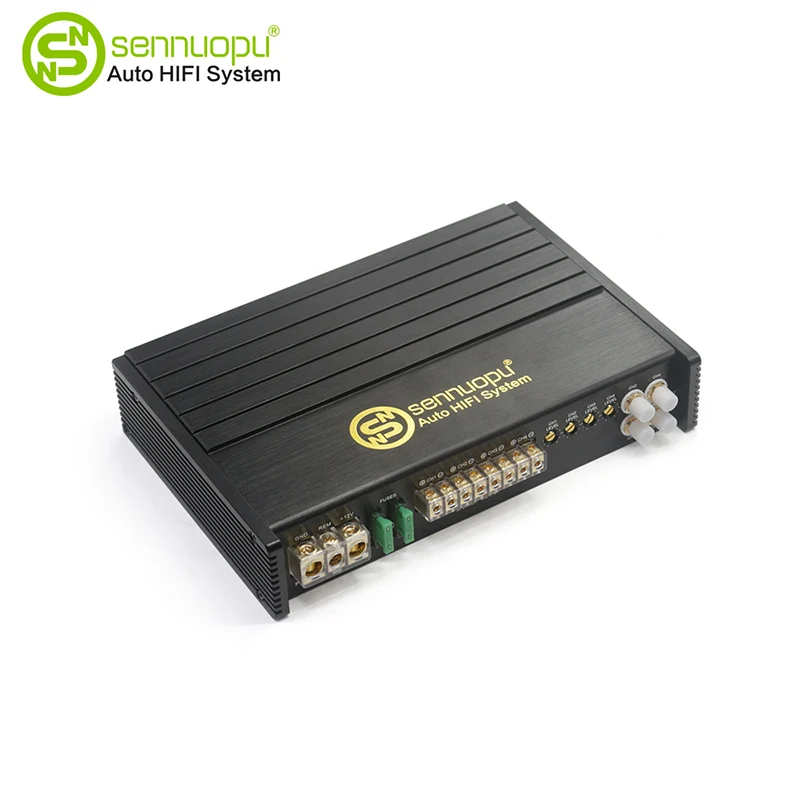
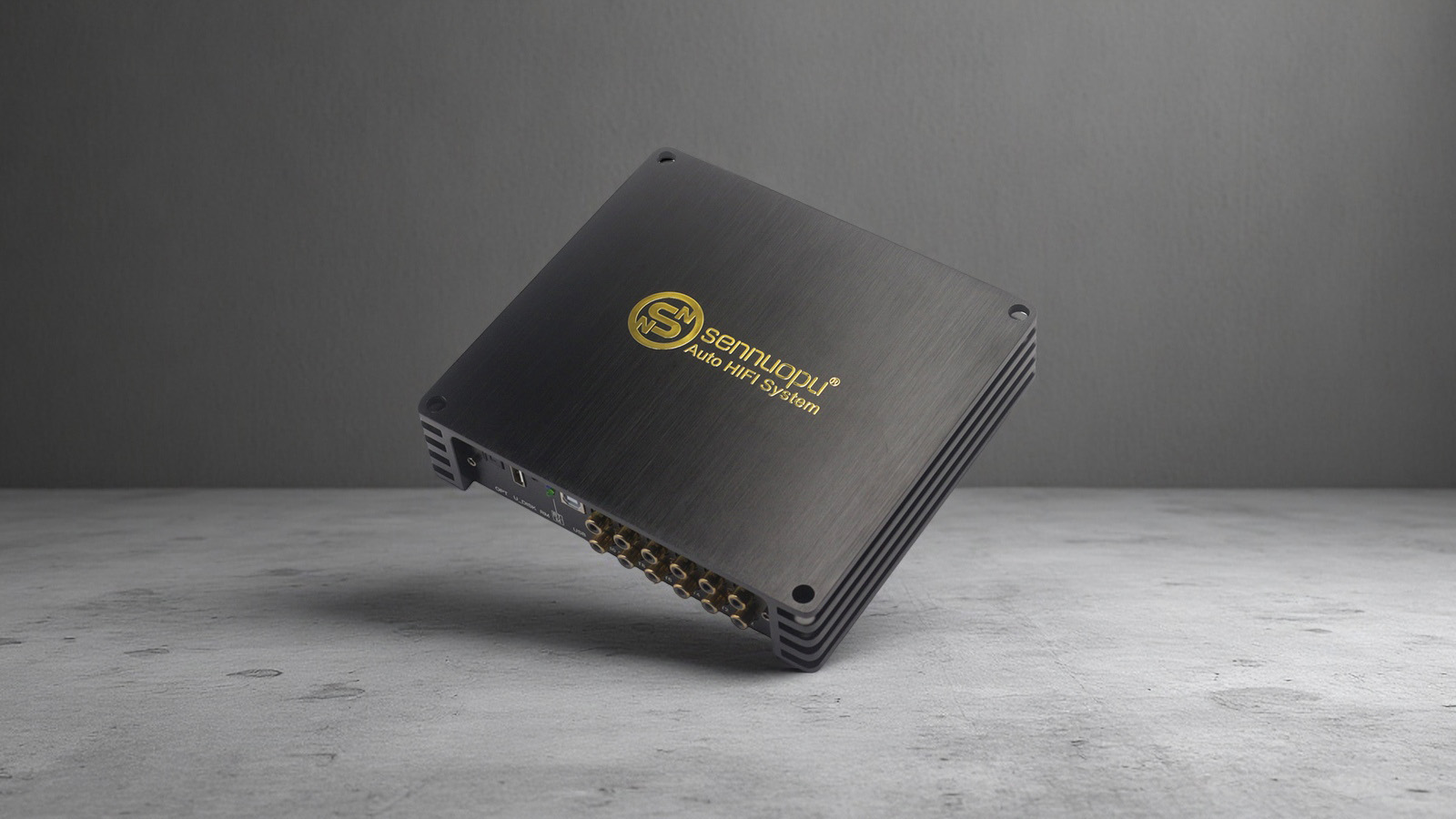
Creating an exceptional in-car listening experience requires more than installing powerful speakers. It demands precise signal processing, reliable amplification, and flexible audio connectivity. Sennuopu addresses these requirements with its 8-CH Auto Power Amp + 10-CH Digital Sound Processor, represented by the HIFI-X12 model. Combining an eight-channel amplifier with a ten-channel digital signal processor, this integrated audio solution is designed to deliver high-resolution sound reproduction, detailed audio separation, and convenient system integration for automotive audio enthusiasts and professional installers.

An advanced car audio system must balance amplification performance, sound accuracy, and installation flexibility. The Sennuopu HIFI-X12 integrates an eight-channel power amplifier and a ten-channel DSP into one compact unit. Featuring dual-core Hi-Res audio processing with computing power of up to 456MHz, 48-bit/192kHz decoding, Bluetooth connectivity, USB, optical input, and support for APTX audio codecs, it provides a comprehensive solution for upgrading modern vehicle sound systems. This article explores its key technologies, practical advantages, installation considerations, and purchasing factors.

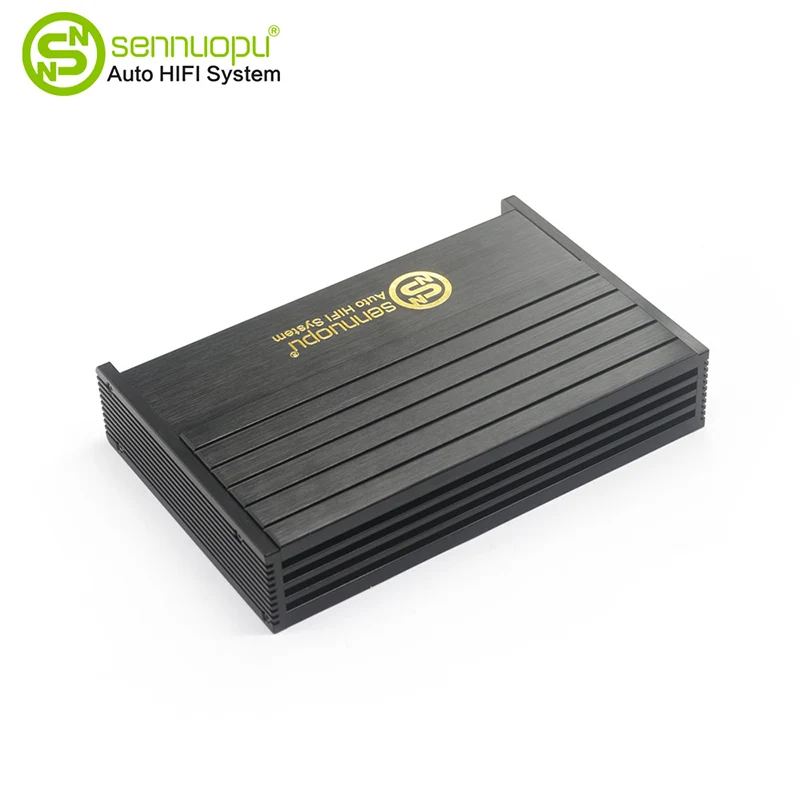
8-CH Auto Power Amp + 10-CH Digital Sound Processor

Table of Contents

1. Understanding an 8-CH Auto Power Amp + 10-CH Digital Sound Processor

2. How the Eight-Channel Amplifier and Ten-Channel DSP Work Together

3. Advanced Digital Signal Processing for High-Resolution Audio

4. Multiple Audio Inputs for Flexible Connectivity

5. Key Advantages for Automotive Audio Upgrades

6. Applications and Suitable Users

7. What to Consider When Selecting a Car DSP Amplifier

8. Installation and System Optimization Tips

9. Frequently Asked Questions

10. Final Thoughts


1. Understanding an 8-CH Auto Power Amp + 10-CH Digital Sound Processor

A conventional car amplifier primarily increases the power of audio signals to drive speakers. However, modern automotive audio systems require more sophisticated control over frequency response, channel distribution, and sound reproduction. This is where a digital signal processor becomes essential.

An 8-CH Auto Power Amp + 10-CH Digital Sound Processor combines two important functions in one integrated device. The eight-channel amplifier provides multiple amplified output channels, while the ten-channel DSP architecture offers additional flexibility for processing and managing audio signals.

The Sennuopu HIFI-X12 is designed around this integrated concept. Rather than requiring separate amplifier and DSP components, it combines amplification and digital audio processing within a compact platform.

Its main technical highlights include:

  • Eight-channel amplification: Supports multi-channel automotive speaker configurations.
  • Ten-channel DSP: Provides flexible digital audio signal processing capabilities.
  • Dual-core Hi-Res processing: Uses two high-end audio processing chips with dual-core architecture.
  • 456MHz computing power: Supports advanced digital audio processing operations.
  • High-resolution decoding: Supports 48-bit/192kHz audio decoding.
  • Compact integration: Combines multiple audio functions in one device to simplify system planning.

For drivers who want a more controlled and detailed listening experience, this combination provides a practical foundation for building an upgraded vehicle audio system.


2. How the Eight-Channel Amplifier and Ten-Channel DSP Work Together

The effectiveness of an integrated car audio system depends on how well its amplification and processing sections work together. Both functions play different but complementary roles.

Eight-Channel Power Amplification

The amplifier section increases the strength of audio signals so that connected speakers can reproduce sound effectively. With eight amplification channels, the system supports a variety of multi-speaker configurations.

Depending on the vehicle's speaker layout and system design, installers can plan channel assignments for different listening positions and speaker groups.

Sennuopu uses switching amplifier technology in the HIFI-X12. Its circuit incorporates real-time error detection and correction, while the output filter's dynamic response is optimized to support accurate amplification and detailed sound reproduction.

Ten-Channel Digital Signal Processing

The DSP section focuses on controlling and refining digital audio signals before amplification. It provides additional processing flexibility for designing a balanced automotive sound environment.

Digital processing is particularly useful because vehicle interiors create complex acoustic conditions. Speaker locations, reflective surfaces, seating positions, and cabin dimensions can all influence how listeners perceive sound.

A multi-channel DSP architecture helps system designers manage these challenges more effectively by providing greater flexibility in audio signal distribution and processing.

Why Integration Matters

Combining amplification and processing in one device can reduce the number of separate components required. It can also simplify equipment planning, wiring arrangements, and installation space management.

For professional installers, an integrated solution offers a more organized approach to upgrading factory-installed or aftermarket car audio systems.


3. Advanced Digital Signal Processing for High-Resolution Audio

Digital processing capability is one of the most important considerations when evaluating a modern automotive DSP amplifier. Processing architecture influences how efficiently a device handles audio data and supports high-resolution playback.

The Sennuopu HIFI-X12 incorporates two high-end Hi-Res audio processing chips, each featuring a dual-core architecture. Its total computing capability reaches up to 456MHz.

High-Resolution 48-bit/192kHz Decoding

The HIFI-X12 supports 48-bit/192kHz decoding, providing a high-resolution audio processing foundation for demanding listening applications.

Higher-resolution audio formats can preserve more detailed digital audio information than standard compressed playback formats, depending on the original recording and signal chain.

For automotive audio enthusiasts, this capability is valuable when building a system around compatible high-quality audio sources.

Improved Sound Separation and Natural Tonality

Accurate sound reproduction involves more than increasing volume. Listeners also expect clear instrument separation, balanced tonal characteristics, and natural musical presentation.

The HIFI-X12's advanced processing architecture is designed to support natural instrument tonality and exceptional sound separation. These characteristics help create a more detailed and engaging listening experience.

Its real-time circuit error detection and correction technology further supports stable signal amplification and optimized output performance.


4. Multiple Audio Inputs for Flexible Connectivity

Audio source compatibility is another important factor when choosing an automotive DSP amplifier. Drivers may use smartphones, USB storage devices, factory-installed audio systems, or other digital playback equipment.

The Sennuopu HIFI-X12 offers several connectivity options to accommodate different listening preferences.

Connectivity or Feature Technical Capability Practical Benefit
Bluetooth Wireless audio connectivity Convenient playback from compatible mobile devices
APTX Bluetooth audio codec support Flexible wireless audio transmission
APTX-HD High-quality Bluetooth audio codec Supports higher-quality wireless listening
APTX-LL Low-latency Bluetooth codec Suitable for applications where audio delay matters
USB Digital audio input Convenient connection to compatible audio sources
Optical Input Digital optical audio connection Supports integration with compatible digital audio equipment
U-Disk Playback USB storage-based music playback Provides an additional music source option

This combination of wired and wireless connectivity makes the HIFI-X12 suitable for different automotive audio configurations.

When selecting a playback source, users should confirm codec compatibility, connection requirements, and supported audio formats to achieve the expected performance.


5. Key Advantages for Automotive Audio Upgrades

Choosing an integrated DSP amplifier can offer several practical advantages over building a system with multiple independent components.

5.1 More Flexible Multi-Channel Configuration

The eight-channel amplifier and ten-channel DSP provide a combination of amplification and processing capabilities that supports more flexible system planning. Installers can design channel configurations according to the vehicle's speaker arrangement and acoustic requirements.

5.2 More Detailed Audio Reproduction

Advanced DSP processing and high-resolution decoding contribute to a more controlled audio signal chain. When paired with compatible speakers and properly configured equipment, the system can help reproduce music with improved clarity and sound separation.

5.3 Convenient Equipment Integration

Combining an amplifier and DSP reduces the need to install these functions as separate devices. This can help installers manage limited vehicle space and organize the overall audio system more efficiently.

5.4 Flexible Music Playback

Bluetooth, USB, optical input, and U-Disk playback give users multiple ways to access music. Support for APTX, APTX-HD, and APTX-LL further expands wireless audio compatibility.

5.5 Suitable for Professional Audio Projects

With its integrated architecture and advanced processing capabilities, the HIFI-X12 can be considered for aftermarket audio upgrades, custom vehicle sound projects, and installations requiring a combination of amplification and digital signal processing.


6. Applications and Suitable Users

An 8-CH Auto Power Amp + 10-CH Digital Sound Processor is particularly relevant for users who want more control over their vehicle's audio configuration.

Typical application scenarios include:

  • Automotive audio enthusiasts: Drivers seeking a more detailed and immersive music listening experience.
  • Professional car audio installers: Technicians looking for integrated amplification and DSP equipment for customized projects.
  • Aftermarket audio upgrades: Vehicle owners upgrading factory-installed audio systems with additional processing capabilities.
  • Multi-speaker configurations: Projects requiring flexible channel management and multiple amplified outputs.
  • High-resolution audio systems: Users interested in compatible high-quality digital music playback.
  • Custom automotive audio projects: Installations where compact equipment integration and multiple input options are important.

Before purchasing, users should evaluate the vehicle's existing audio architecture, speaker impedance, power requirements, installation dimensions, and compatibility with the intended equipment.


7. What to Consider When Selecting a Car DSP Amplifier

Not every DSP amplifier offers the same capabilities. A suitable model should match the vehicle's acoustic requirements, audio sources, and planned speaker configuration.

The following table outlines several important purchasing considerations.

Selection Factor What to Evaluate Why It Matters
Amplifier Channels Number of amplified output channels Determines supported speaker configurations
DSP Channels Number of available processing channels Influences audio system design flexibility
Processing Architecture DSP chips and computing capability Supports digital signal processing performance
Audio Resolution Supported decoding specifications Important for high-resolution audio playback
Connectivity Bluetooth, USB, and optical inputs Determines compatibility with audio sources
Installation Dimensions, wiring, and power requirements Helps ensure reliable vehicle integration
Technical Support Documentation and supplier assistance Facilitates installation and troubleshooting

For buyers comparing integrated car DSP amplifiers, it is also important to request detailed technical documentation. Specifications such as rated output power, supported speaker impedance, signal-to-noise ratio, frequency response, and installation dimensions should be confirmed before finalizing an order.


8. Installation and System Optimization Tips

Even a high-performance automotive DSP amplifier requires correct installation and system configuration to achieve its intended results.

Several important practices can help improve installation quality.

Check Electrical Compatibility

Verify the vehicle's electrical supply, grounding arrangement, wiring requirements, and the amplifier's operating specifications. Proper electrical installation is essential for stable operation.

Plan Speaker Channel Assignments

Before connecting the equipment, identify each speaker's location and determine the appropriate channel assignment. Ensure that the planned configuration is compatible with the amplifier outputs and DSP architecture.

Use Suitable Audio Sources

Choose compatible Bluetooth, USB, optical, or U-Disk sources according to the system's supported formats. High-quality source files can help maximize the benefits of a high-resolution audio system.

Optimize the Audio Configuration

Professional system tuning should consider frequency distribution, speaker characteristics, listening position, and the vehicle's acoustic environment. Proper adjustment can help achieve a balanced sound presentation.

Seek Professional Installation

For complex automotive audio projects, professional installation is recommended. Qualified technicians can evaluate system compatibility, organize wiring, and verify the final configuration before use.


9. Frequently Asked Questions

Q1: What does an 8-CH Auto Power Amp + 10-CH Digital Sound Processor mean?

It refers to an integrated automotive audio device featuring an eight-channel power amplifier and a ten-channel digital signal processor. The amplifier drives connected speakers, while the DSP provides digital audio signal processing capabilities for more flexible system configuration.

Q2: What makes the Sennuopu HIFI-X12 different from a conventional car amplifier?

The HIFI-X12 combines eight-channel amplification with ten-channel digital signal processing in one compact unit. It also features dual-core Hi-Res processing, 456MHz computing power, 48-bit/192kHz decoding, and multiple audio input options.

Q3: Does the HIFI-X12 support high-resolution audio?

Yes. The product supports 48-bit/192kHz decoding and incorporates dual high-end Hi-Res audio processing chips with dual-core architecture, providing advanced digital audio processing capabilities.

Q4: What Bluetooth audio codecs does this DSP amplifier support?

The HIFI-X12 supports APTX, APTX-HD, and APTX-LL Bluetooth codecs. These options provide flexibility for compatible wireless audio playback devices.

Q5: Can the HIFI-X12 connect to different audio sources?

Yes. Its supported audio input options include Bluetooth, USB, optical input, and U-Disk playback. Users should check source-device compatibility and connection requirements before installation.

Q6: Is an eight-channel amplifier suitable for a multi-speaker car audio system?

An eight-channel amplifier can support various multi-speaker configurations, depending on the speakers' electrical specifications and the system design. Professional installers should verify channel assignments, impedance compatibility, and power requirements before connecting the speakers.

Q7: What should buyers confirm before purchasing a car DSP amplifier?

Buyers should evaluate amplifier output power, speaker impedance compatibility, DSP channel configuration, supported audio formats, connectivity, physical dimensions, and installation requirements. Requesting a complete specification sheet from the supplier is recommended.

Q8: Where can I find more information about the Sennuopu HIFI-X12?

You can visit the official Sennuopu HIFI-X12 product page to review its product description, technical features, and inquiry options. You can also contact the company directly for further technical information.


10. Final Thoughts: Is an Integrated DSP Amplifier the Right Upgrade?

A well-designed automotive audio system requires a balance of amplification, digital signal processing, connectivity, and installation compatibility. The Sennuopu HIFI-X12 brings these essential functions together through its eight-channel amplifier and ten-channel DSP architecture. With dual-core Hi-Res processing, up to 456MHz computing power, 48-bit/192kHz decoding, and support for multiple audio input options, it provides a versatile platform for automotive audio enthusiasts and professional installers.

For buyers seeking an integrated solution that combines advanced digital processing with multi-channel amplification, the 8-CH Auto Power Amp + 10-CH Digital Sound Processor is worth considering. Explore Sennuopu's automotive audio solutions to find equipment that matches your project requirements. Whether you are a distributor, car audio installer, wholesaler, or automotive audio brand, contact us today to learn more about the HIFI-X12, discuss technical specifications, and explore cooperation opportunities with Sennuopu.

Related News
Leave me a message
X
We use cookies to offer you a better browsing experience, analyze site traffic and personalize content. By using this site, you agree to our use of cookies. Privacy Policy
RejectAccept