News

How Can a Car DSP Amplifier 6*110 W 31 Band Equalizer Transform Your In-Car Audio Experience

2026-10-20 0 Leave me a message

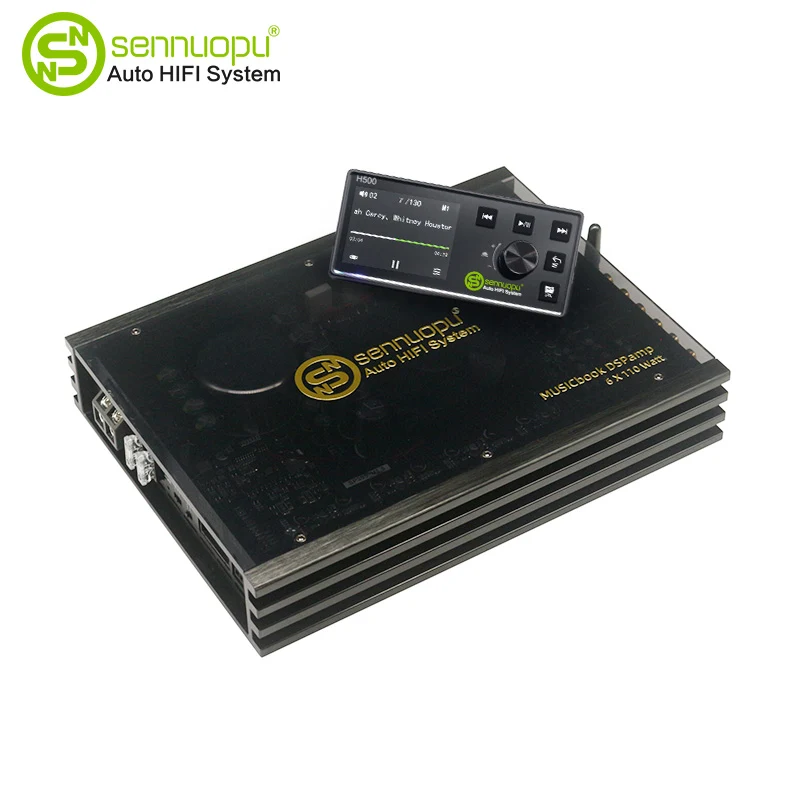
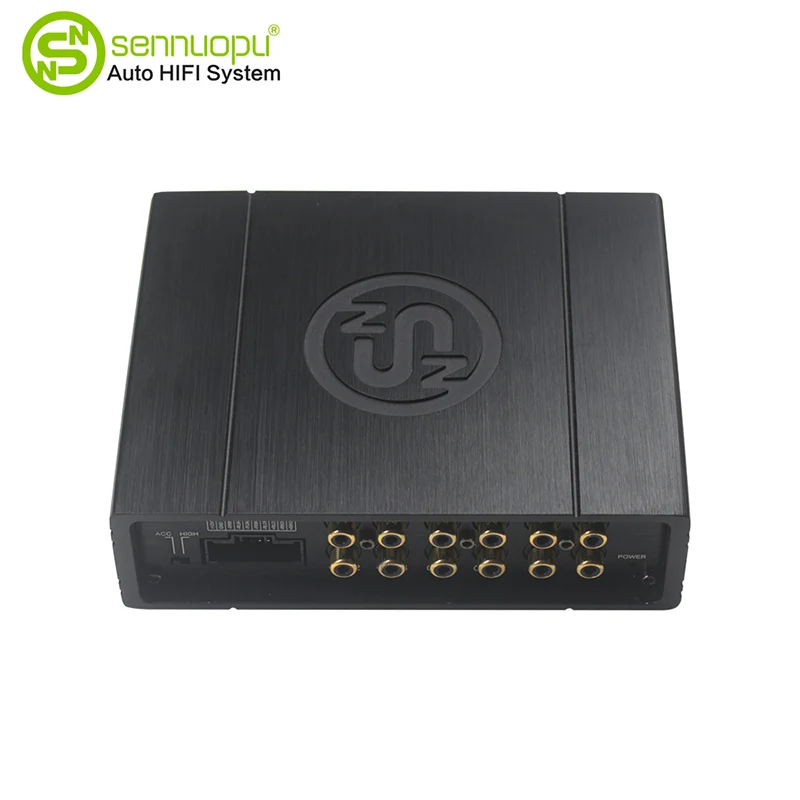
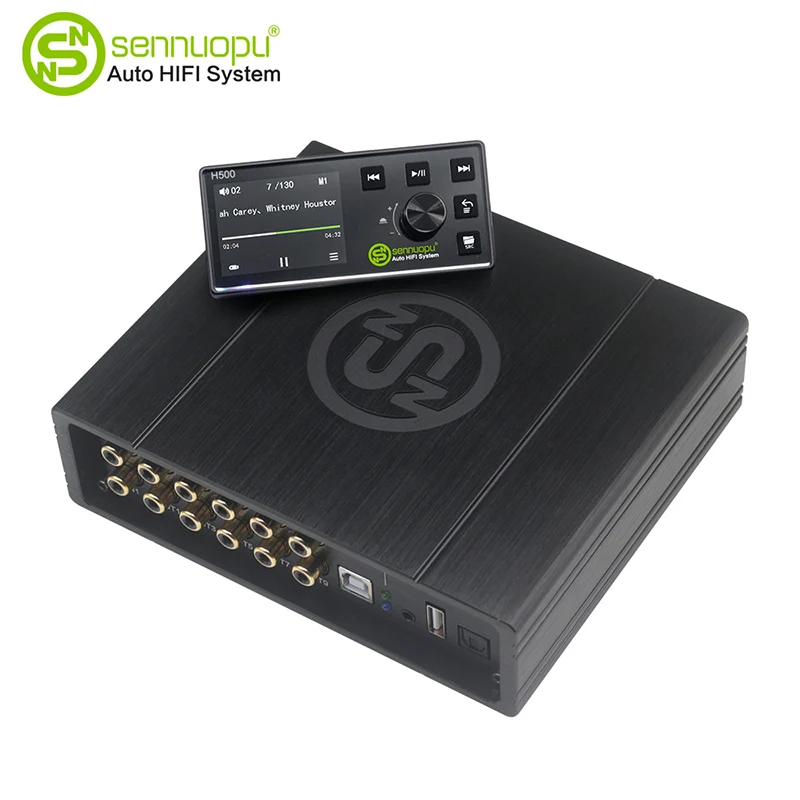
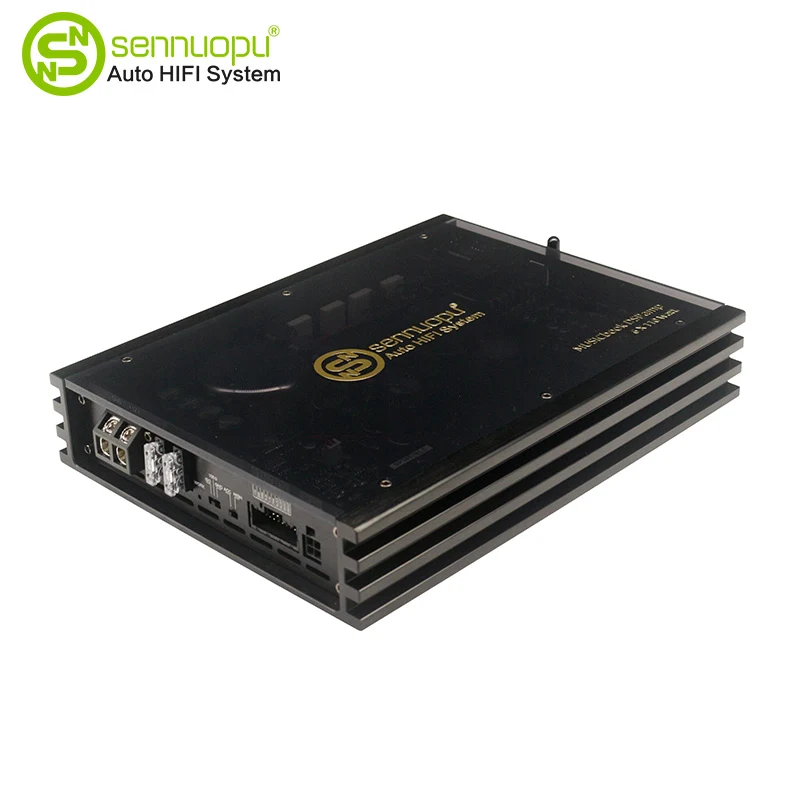
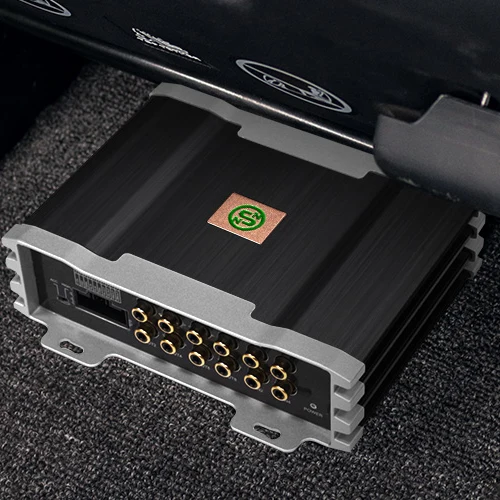
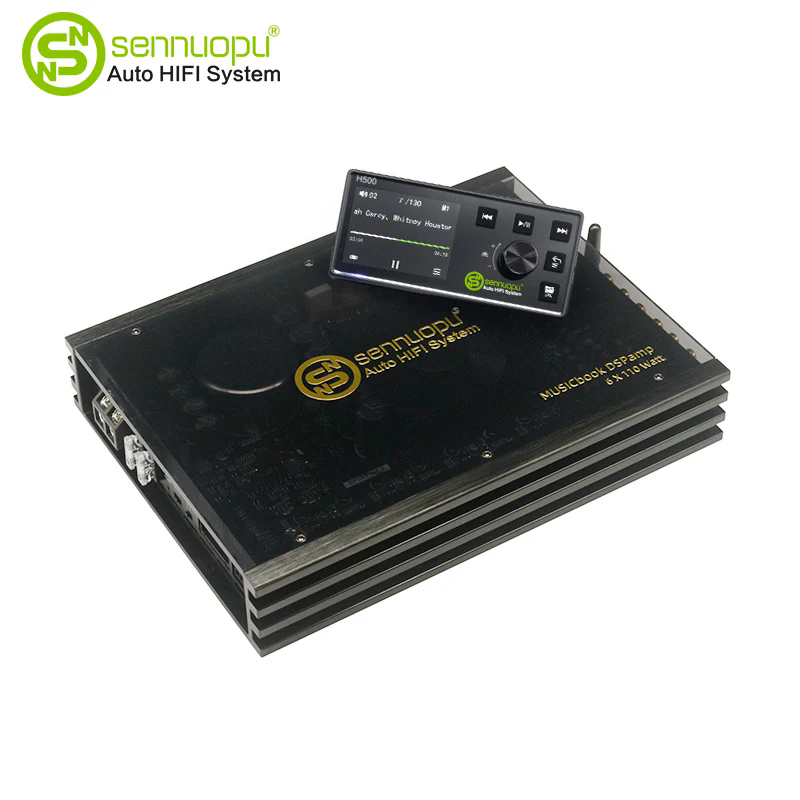
For drivers seeking greater clarity, precise sound control, and powerful audio performance, Sennuopu offers the Car DSP Amplifier 6*110 W 31 Band Equalizer, a versatile solution designed to combine six-channel amplification with advanced eight-channel digital signal processing. The DP-X680 helps audio enthusiasts fine-tune speaker output, optimize sound staging, and build a more balanced in-car listening experience without necessarily replacing the entire factory audio system.

A high-quality car audio system depends on more than speaker power alone. The amplifier, digital signal processing, equalization, crossover settings, and installation all influence how music sounds inside a vehicle. The Sennuopu DP-X680 combines six amplifier channels rated at 110 W RMS per channel at 4 ohms with an eight-channel DSP and an adjustable 31-band equalizer. Additional features include Bluetooth 5.1, USB and optical inputs, eight-channel RCA output, and adjustable time delay. This article explains its main features, technical specifications, installation considerations, and practical benefits for car audio upgrades.

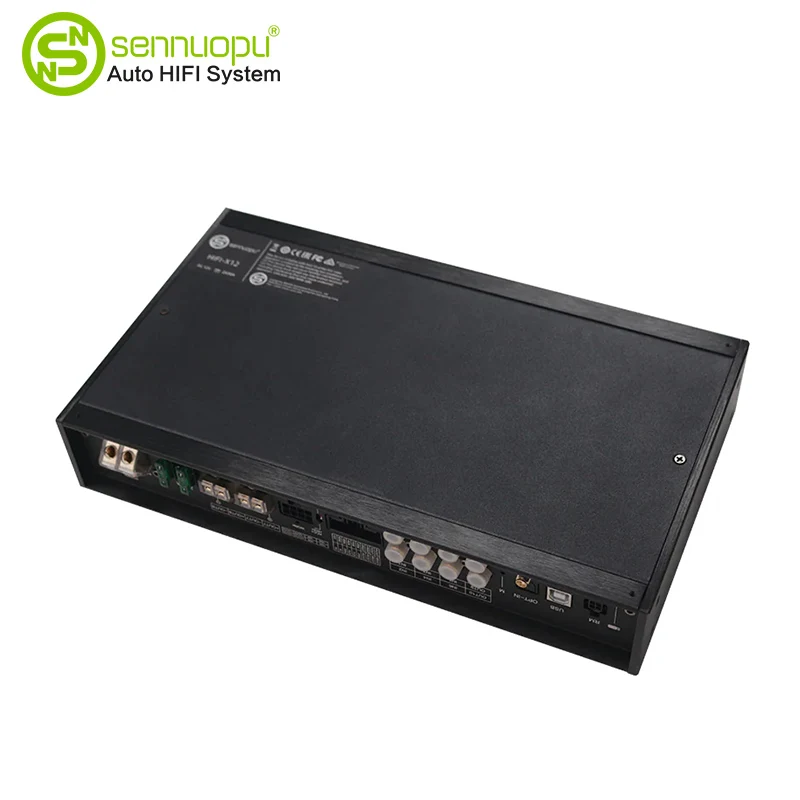
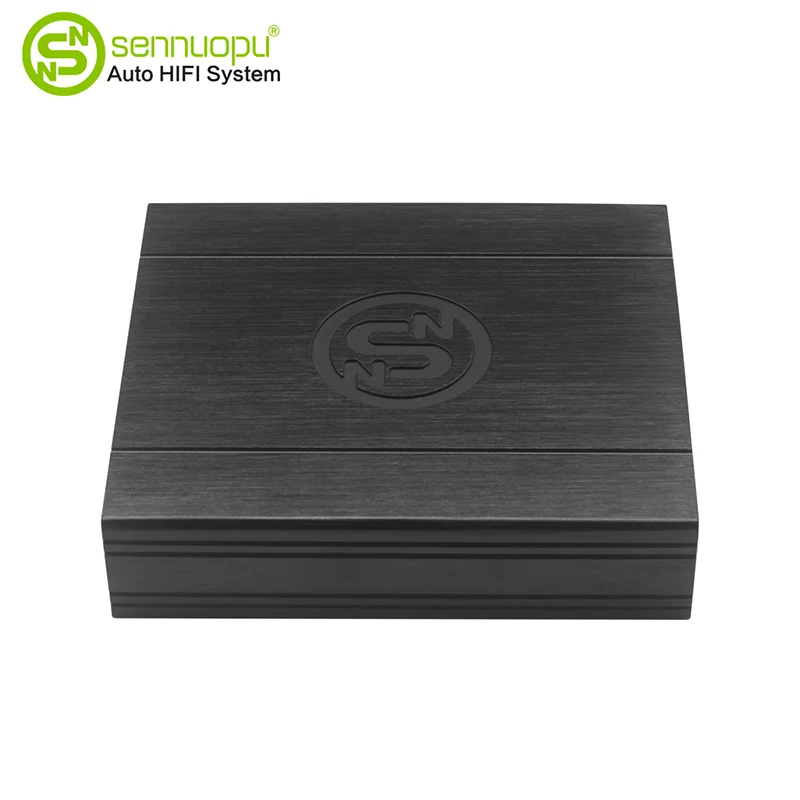
Car DSP Amplifier 6*110 W 31 Band Equalizer

Table of Contents

1. What Is a Car DSP Amplifier 6*110 W 31 Band Equalizer?

2. What Are the Key Features of the Sennuopu DP-X680?

3. Technical Specifications at a Glance

4. How Does a 31-Band Equalizer Improve Sound Quality?

5. Why Does an Eight-Channel DSP Matter?

6. Connectivity and Installation Considerations

7. How to Choose the Right Car Audio Configuration

8. Frequently Asked Questions

9. Final Thoughts


What Is a Car DSP Amplifier 6*110 W 31 Band Equalizer?

A car DSP amplifier integrates a power amplifier and a digital signal processor into one audio component. The amplifier supplies electrical power to compatible speakers, while the DSP modifies and manages the audio signal before amplification. This combination gives installers greater control over frequency response, crossover points, channel levels, and the timing of sound reaching the listener.

The Sennuopu DP-X680 is designed around six amplification channels and eight DSP processing channels. This distinction is important: the number of amplifier channels determines how many channels can be powered directly by the built-in amplifier, while the additional DSP channels provide more flexibility for configuring a multichannel audio system with suitable external amplification where required.

Its 31-band equalizer offers detailed frequency adjustment, helping installers address tonal imbalances caused by speaker characteristics, cabin acoustics, and installation positions. Instead of relying entirely on factory audio settings, users can work toward a sound profile that better matches their preferences and equipment.

For drivers considering a comprehensive upgrade, explore Sennuopu's DP-X680 car DSP amplifier for product-specific information.


What Are the Key Features of the Sennuopu DP-X680?

1. Six-Channel Amplification

The DP-X680 provides six amplifier channels rated at 110 W RMS per channel at 4 ohms according to the published specifications. This power configuration can support a range of compatible speaker arrangements, subject to speaker impedance, wiring, installation requirements, and the system's actual operating conditions.

The fifth and sixth channels can also be bridged for a higher-power output configuration. The product page lists a bridged output of 480 W at 4 ohms. Bridging must follow the manufacturer's wiring instructions and load requirements to prevent equipment damage.

2. Eight-Channel Digital Signal Processing

The eight-channel DSP enables independent adjustment of processed audio channels. This flexibility is useful when integrating front speakers, rear speakers, tweeters, midrange drivers, and subwoofer channels into a carefully configured system. The exact routing depends on the system design and whether external amplifiers are used.

3. Adjustable 31-Band Equalizer

A 31-band EQ gives installers more precise tonal control than a basic bass-and-treble adjustment. It allows targeted changes across the audible frequency spectrum, helping compensate for peaks, dips, and tonal coloration in the vehicle cabin.

4. Multiple Audio Input Options

Bluetooth 5.1, USB audio, optical input, high-level input, RCA input, and sound-card input support different source configurations. This range is helpful when retaining a factory head unit, connecting aftermarket equipment, or using compatible digital audio sources.

  • Audio flexibility: Supports several common source connection methods.
  • System integration: Offers high-level and RCA inputs for different installation scenarios.
  • External expansion: Eight-channel RCA outputs can support compatible external amplification.
  • Sound customization: Provides equalization, crossover, and time-alignment functions.

Technical Specifications at a Glance

The following table summarizes the principal specifications published for the Sennuopu DP-X680. Buyers should confirm the final configuration, load requirements, and measurement conditions with the supplier before purchasing.

Parameter Published Specification Practical Significance
Model DP-X680 Identifies the product configuration
Amplifier channels 6 channels Supports six powered output channels
DSP channels 8 channels Enables multichannel signal processing
Rated amplifier output 110 W RMS × 6 at 4 Ω Indicates the stated continuous output rating
Maximum high-level output 280 W × 6 at 4 Ω Published maximum output figure; not equivalent to RMS power
Bridged output 480 W at 4 Ω for CH5 and CH6 Provides an alternative high-power configuration
Equalizer 31-band, adjustable from 20 Hz to 20 kHz Enables detailed frequency-response tuning
Frequency response 20 Hz–20 kHz Covers the conventional audible frequency range
Dynamic range ≥110 dB Describes the stated signal-level range
Signal-to-noise ratio ≥98 dB Indicates the specified relationship between signal and noise
Total harmonic distortion ≤0.05% Specifies the stated distortion limit
Channel separation ≥90 dB Indicates separation between audio channels
System sampling rate 24 bit / 96 kHz Specifies the listed digital processing format
Working voltage 10 V–17 V Defines the stated operating voltage range
Bluetooth Bluetooth 5.1 Supports compatible wireless audio connections
RCA output 8 channels Facilitates integration with external amplifiers
Time alignment 0–20 ms Helps compensate for differences in speaker distance
Crossover filter types Linkwitz-Riley, Bessel, Butterworth Provides options for speaker frequency management
Filter slope 6–48 dB/octave Controls the rate of attenuation outside a crossover region

Important specification note: RMS power and maximum power are different measurements and should not be compared as though they represent the same operating condition. The manufacturer's listed bridged output should also be verified for the intended load and installation.


How Does a 31-Band Equalizer Improve Sound Quality?

Every vehicle has a unique acoustic environment. Dashboard reflections, window surfaces, seating positions, door cavities, and speaker placement can all affect the frequency response heard by the driver. A 31-band equalizer provides the adjustment range needed to address specific tonal problems rather than applying broad changes to the entire sound spectrum.

Low-Frequency Control

Low frequencies create the weight and impact of music. However, excessive bass can make vocals sound muddy, while insufficient low-frequency output can leave music feeling thin. Carefully adjusting the lower frequency bands helps balance bass impact with clarity.

Midrange Definition

The midrange carries much of the information in vocals, guitars, keyboards, and many other instruments. Small, targeted EQ adjustments can help improve intelligibility and reduce unpleasant coloration. Large boosts should be avoided when they cause distortion or consume unnecessary amplifier headroom.

High-Frequency Detail

High frequencies contribute to cymbal detail, vocal articulation, and the perception of openness. If these frequencies are excessive, music may sound harsh or fatiguing. If they are too weak, the system may sound dull. Appropriate adjustments depend on the speakers, cabin, and listening preferences.

For effective equalizer tuning, follow these practical steps:

  1. Check speaker polarity, wiring, and installation before changing DSP settings.
  2. Set appropriate crossover frequencies according to the capabilities of each speaker.
  3. Begin with a relatively neutral EQ profile.
  4. Use measurement equipment or familiar reference tracks to identify tonal problems.
  5. Make small adjustments and listen at realistic volume levels.
  6. Recheck the system for clipping, excessive boosts, and unwanted resonances.

A larger number of EQ bands does not automatically guarantee better sound. Good results depend on careful setup, suitable speakers, accurate measurements, and restrained adjustments.


Why Does an Eight-Channel DSP Matter?

An eight-channel DSP provides additional routing and processing flexibility beyond the six built-in amplifier channels. This is especially useful for systems that separate different frequency ranges into dedicated speaker drivers or require additional external amplification.

For example, a system may use dedicated channels for front left and right speakers, rear speakers, and other drivers, while assigning additional processed outputs to external amplifiers or a subwoofer system. The correct configuration depends on the selected speakers, crossover strategy, and the available amplifier channels.

Time Alignment for a More Cohesive Soundstage

The driver usually sits closer to some speakers than others. Consequently, sound from different positions reaches the driver's ears at different times. The DP-X680's listed time-delay adjustment of 0–20 milliseconds can help compensate for these differences.

Proper time alignment can improve the perceived placement of vocals and instruments, making the soundstage feel more coherent from the primary listening position. It cannot eliminate every acoustic limitation, but it offers a useful tool for system calibration.

Active Crossovers and Speaker Protection

The product lists Linkwitz-Riley, Bessel, and Butterworth filter types, with slopes from 6 to 48 dB per octave. These options help determine how frequency ranges are divided between drivers.

Correct crossover settings reduce the need for individual speakers to reproduce frequencies outside their intended operating range. Installers should follow the speaker manufacturer's recommendations and avoid sending excessive low-frequency energy to small drivers or tweeters.


Connectivity and Installation Considerations

Choosing a car DSP amplifier involves more than comparing output figures. Compatibility with the vehicle's existing audio equipment, power supply, speakers, and installation space is equally important.

The DP-X680 lists several connection options for different audio sources:

  • High-level input: Useful for integrating compatible factory speaker-level signals.
  • RCA input: Supports compatible line-level audio sources.
  • USB input: Supports listed formats including FLAC, APE, WAV, MP3, and WMA.
  • Optical input: Supports compatible digital audio sources.
  • Bluetooth 5.1: Enables wireless connection with compatible devices.
  • Sound-card input: Provides an additional source option for supported configurations.
  • Eight-channel RCA output: Supports connection to compatible external amplifiers.

Before Installation

Review the vehicle's electrical system, available mounting space, wiring requirements, and speaker impedance. The specified operating voltage is 10–17 V, so the installation should remain within the manufacturer's permitted range.

Use correctly rated power cables, suitable fusing, secure grounding, and proper cable routing. Keep signal wiring away from potential electrical interference where practical. Avoid obstructing ventilation or placing the amplifier where moisture and excessive heat can affect operation.

Although the product is described as supporting plug-and-play installation, actual compatibility depends on the vehicle, factory audio architecture, connectors, and required adapters. Confirm whether additional wiring, a compatible head unit, or external amplification is needed before installation.


How to Choose the Right Car Audio Configuration

The best audio configuration depends on listening priorities, speaker specifications, installation constraints, and future expansion plans. The DP-X680 is worth evaluating when a system needs both built-in amplification and more advanced signal processing.

System Requirement What to Evaluate Why It Matters
Factory audio upgrade High-level input compatibility and vehicle wiring Determines how the existing head unit can be integrated
Aftermarket speaker installation RMS power, impedance, and channel assignment Helps match amplifier output to speaker requirements
Dedicated subwoofer system Bridged output, subwoofer impedance, and power handling Helps establish whether the planned bass configuration is suitable
Active multiway system DSP routing, crossover settings, and external amplifier needs Determines whether all drivers can be configured as intended
Detailed sound tuning 31-band EQ, time delay, and filter options Supports more precise acoustic adjustment
Digital audio playback USB formats, optical input, and Bluetooth compatibility Ensures that the preferred audio sources can be connected

Before purchasing, prepare a list of the speakers, subwoofers, source units, and external amplifiers in your intended setup. Ask the supplier to confirm channel routing, supported loads, wiring requirements, and whether the stated power ratings meet your needs.

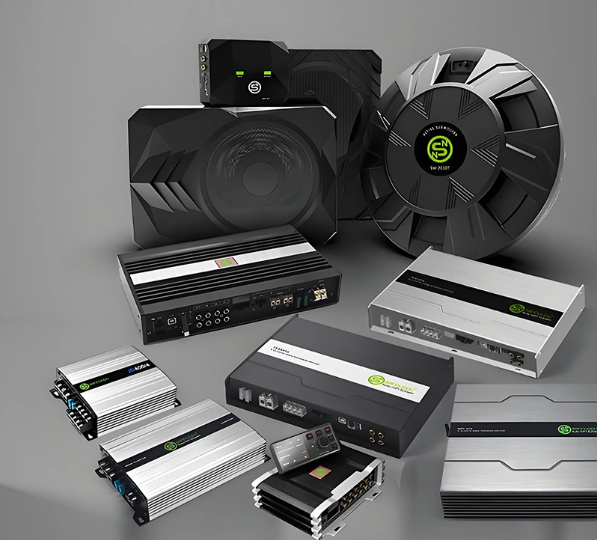
For additional options, browse the Sennuopu car DSP amplifier range to compare available system configurations.


Frequently Asked Questions

1. What does Car DSP Amplifier 6*110 W 31 Band Equalizer mean?

It describes a car audio amplifier with six built-in amplification channels rated at 110 W RMS per channel under the specified 4-ohm conditions, together with a 31-band equalizer. In the Sennuopu DP-X680, the amplifier is paired with an eight-channel DSP for additional audio-processing flexibility.

2. Is the Sennuopu DP-X680 suitable for a factory car audio system?

It may be suitable when the factory system provides a compatible audio signal and the necessary wiring or adapters are available. The high-level input can support certain factory-system integration scenarios, but compatibility should be confirmed for the specific vehicle and head unit.

3. Does the DP-X680 have six amplifier channels or eight?

The DP-X680 has six built-in amplifier channels and eight DSP processing channels. These specifications describe different functions. Additional processed channels may be used with compatible external amplification where the system design requires it.

4. Can the fifth and sixth channels power a subwoofer?

The product specifications list a bridged output of 480 W at 4 ohms for channels five and six. Whether this configuration is appropriate depends on the subwoofer's impedance, power handling, wiring, and the manufacturer's bridging instructions. Confirm compatibility before connecting the load.

5. What is the advantage of a 31-band equalizer over a basic EQ?

A 31-band EQ offers more detailed control over frequency response than a simple bass-and-treble control. It can help address specific peaks and dips in the vehicle cabin and improve tonal balance when adjusted correctly.

6. Does the DP-X680 support Bluetooth and lossless audio formats?

The product page lists Bluetooth 5.1 and USB audio support for formats including FLAC, APE, WAV, MP3, and WMA. Actual playback compatibility can depend on the connected device, file characteristics, and system configuration.

7. Can this car DSP amplifier improve soundstage and vocal clarity?

Its equalization, channel-level adjustment, crossover functions, and time alignment provide tools that can help improve tonal balance and perceived soundstage. The result depends on speaker quality, vehicle acoustics, installation, and calibration.

8. What should buyers confirm before ordering?

Confirm the rated output conditions, speaker impedance compatibility, bridged-load requirements, input and output connections, installation dimensions, included accessories, and availability of technical support. These details help ensure the product fits the intended audio system.


Final Thoughts

The Sennuopu Car DSP Amplifier 6*110 W 31 Band Equalizer combines six-channel amplification, eight-channel digital signal processing, a detailed 31-band EQ, flexible connectivity, and time-alignment features in one integrated platform. For car audio enthusiasts seeking more control over sound quality and system configuration, the DP-X680 offers a practical starting point for a carefully planned upgrade. The best results come from matching the amplifier to the speakers, confirming electrical compatibility, and calibrating the DSP to the vehicle's acoustic environment.

Ready to upgrade your in-car audio system with greater control, cleaner sound, and flexible tuning options? Visit the official Sennuopu DP-X680 product page to review the specifications and discuss your requirements. If you need help confirming compatibility, selecting the right configuration, or planning an audio upgrade for your market, contact us to connect with the Sennuopu team and explore a solution tailored to your car audio project.

Related News
Leave me a message
X
We use cookies to offer you a better browsing experience, analyze site traffic and personalize content. By using this site, you agree to our use of cookies. Privacy Policy
RejectAccept