Whatsapp
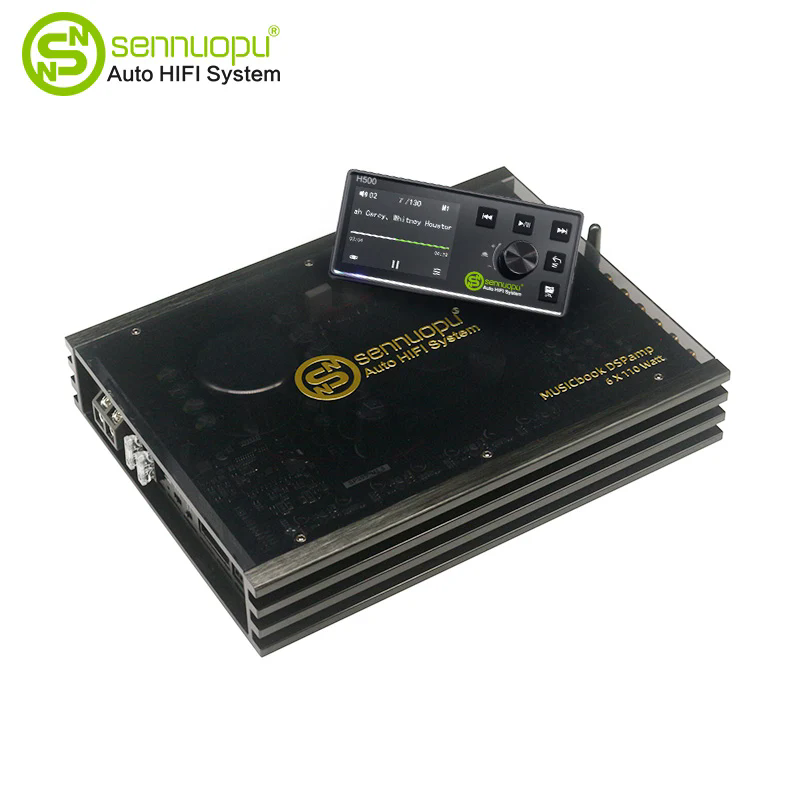
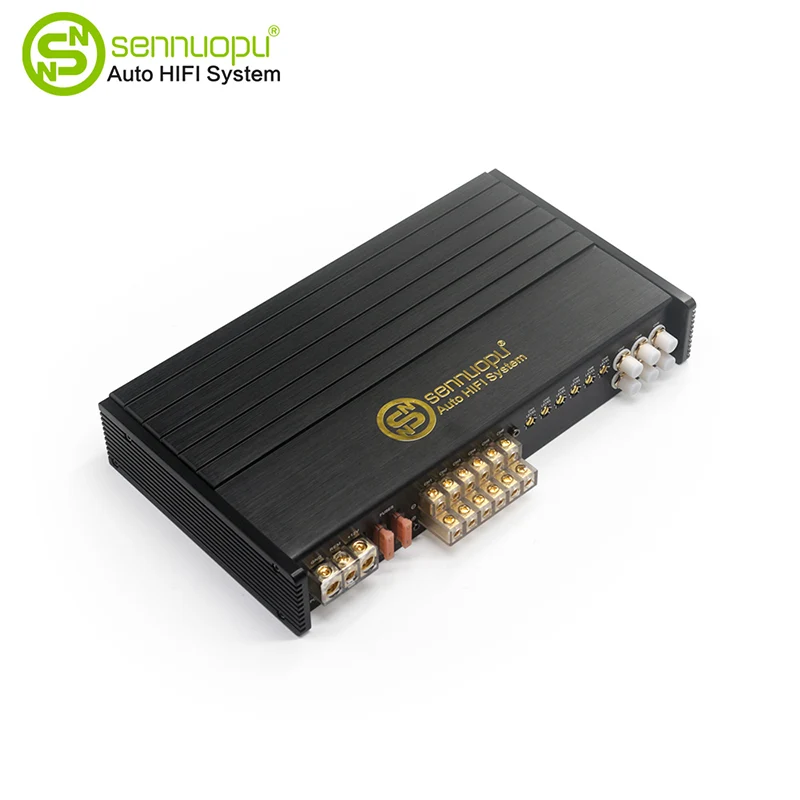
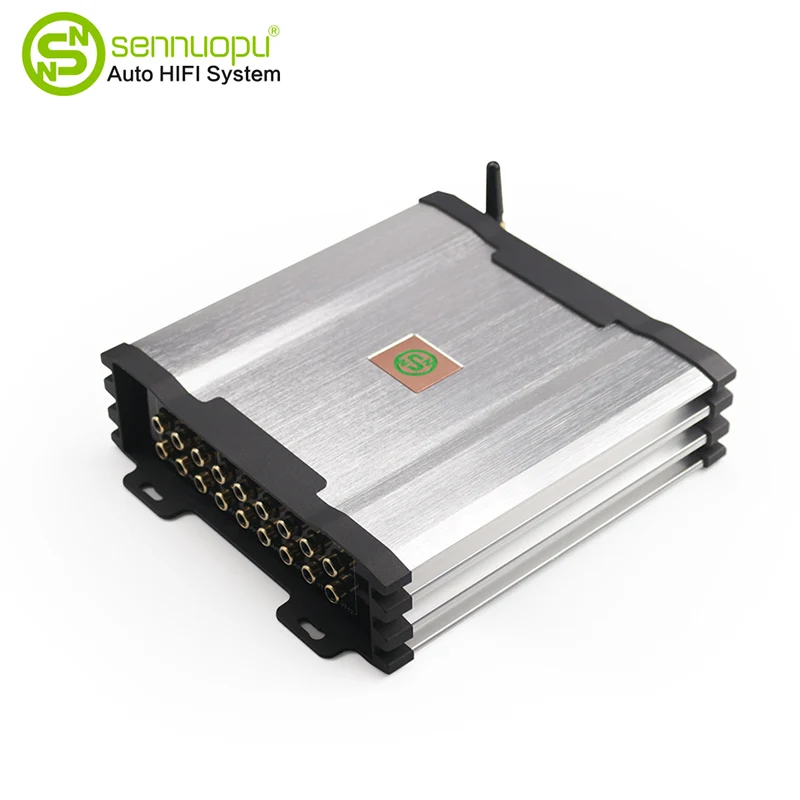
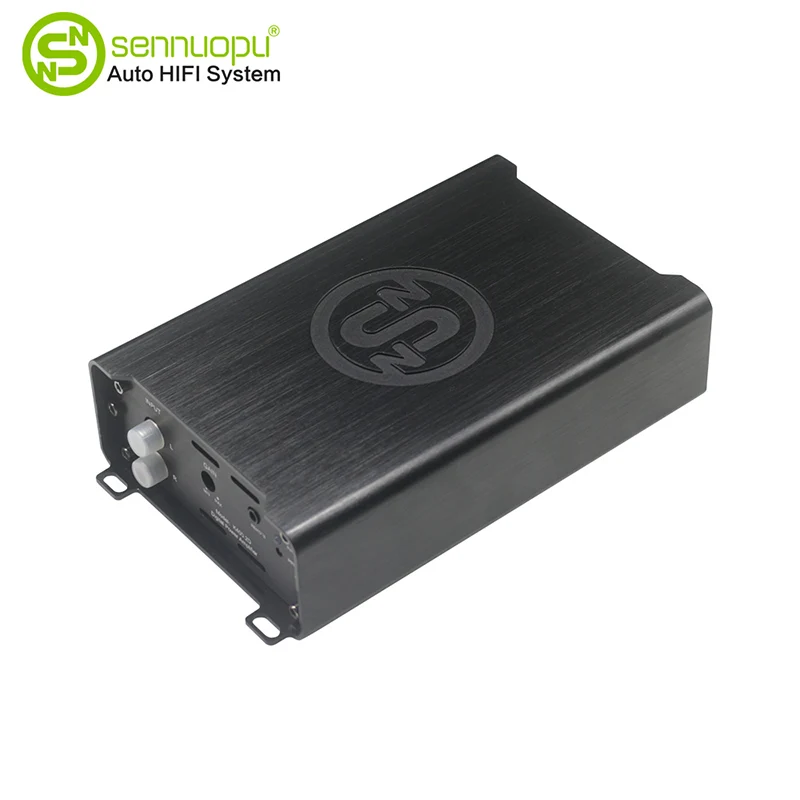
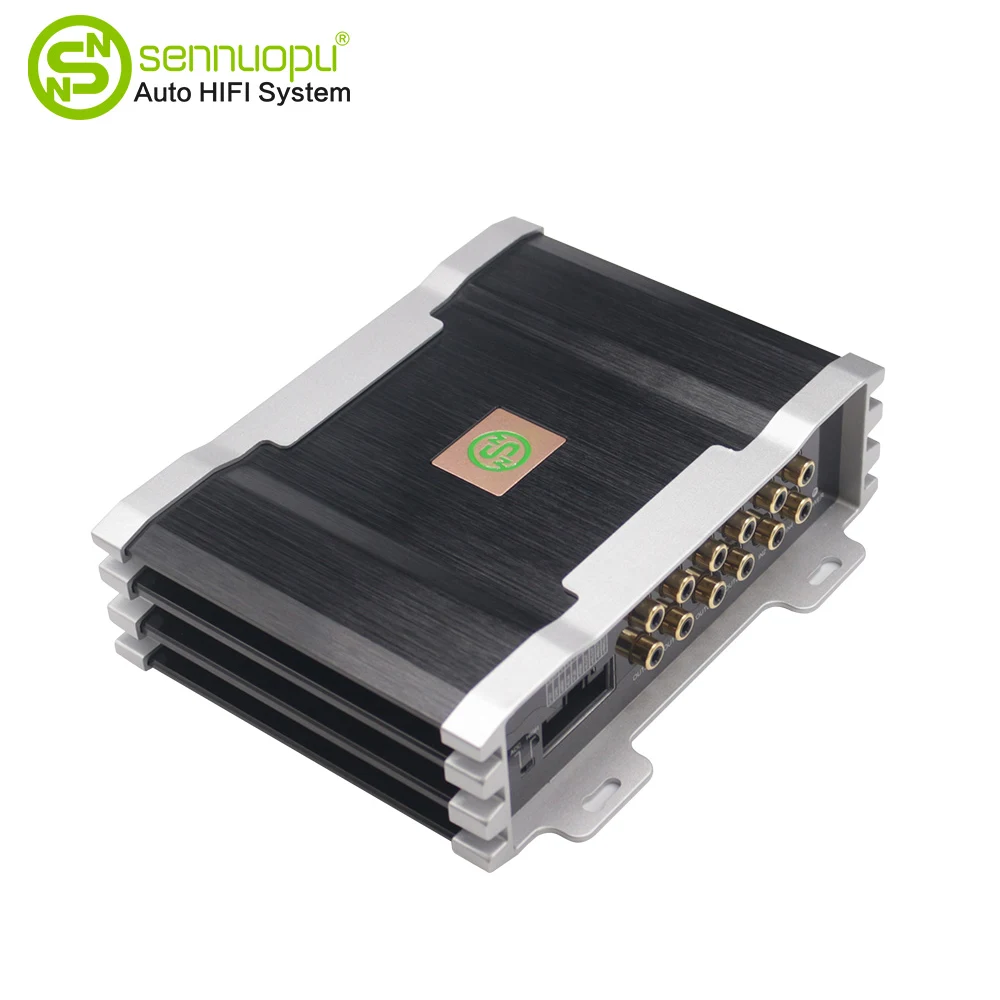
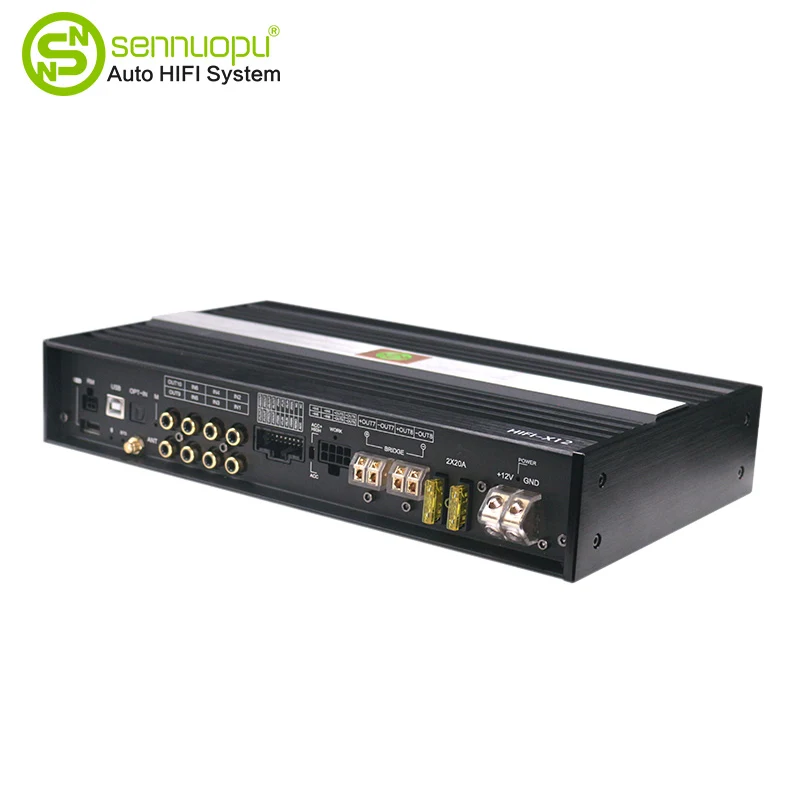
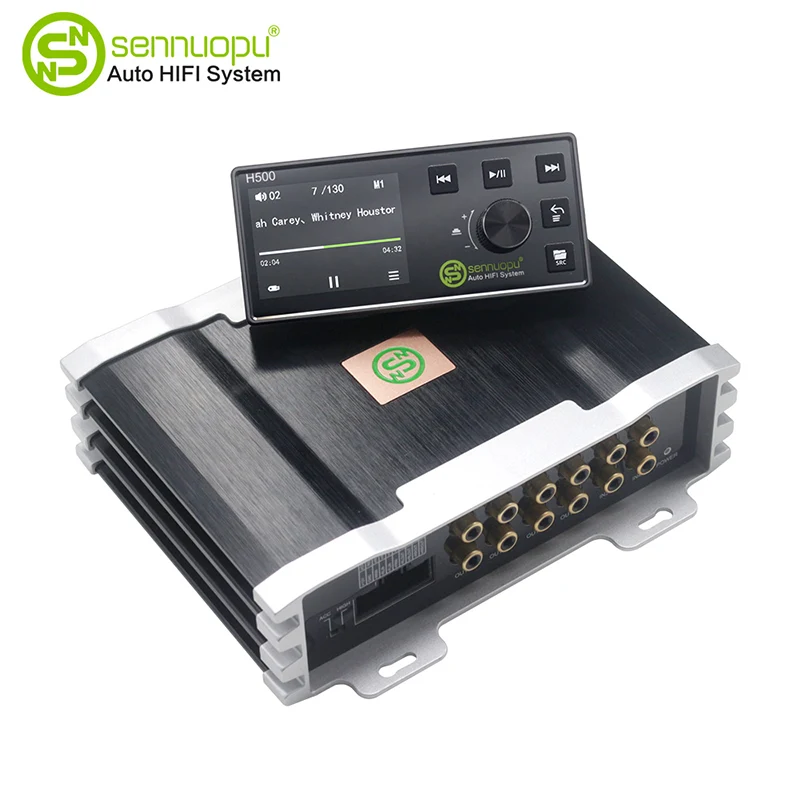
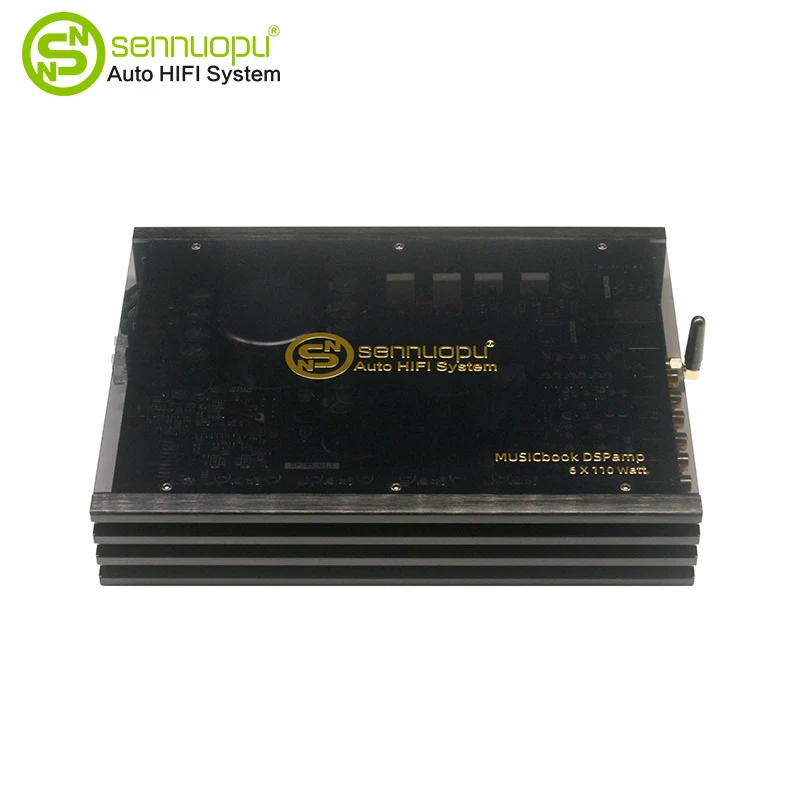
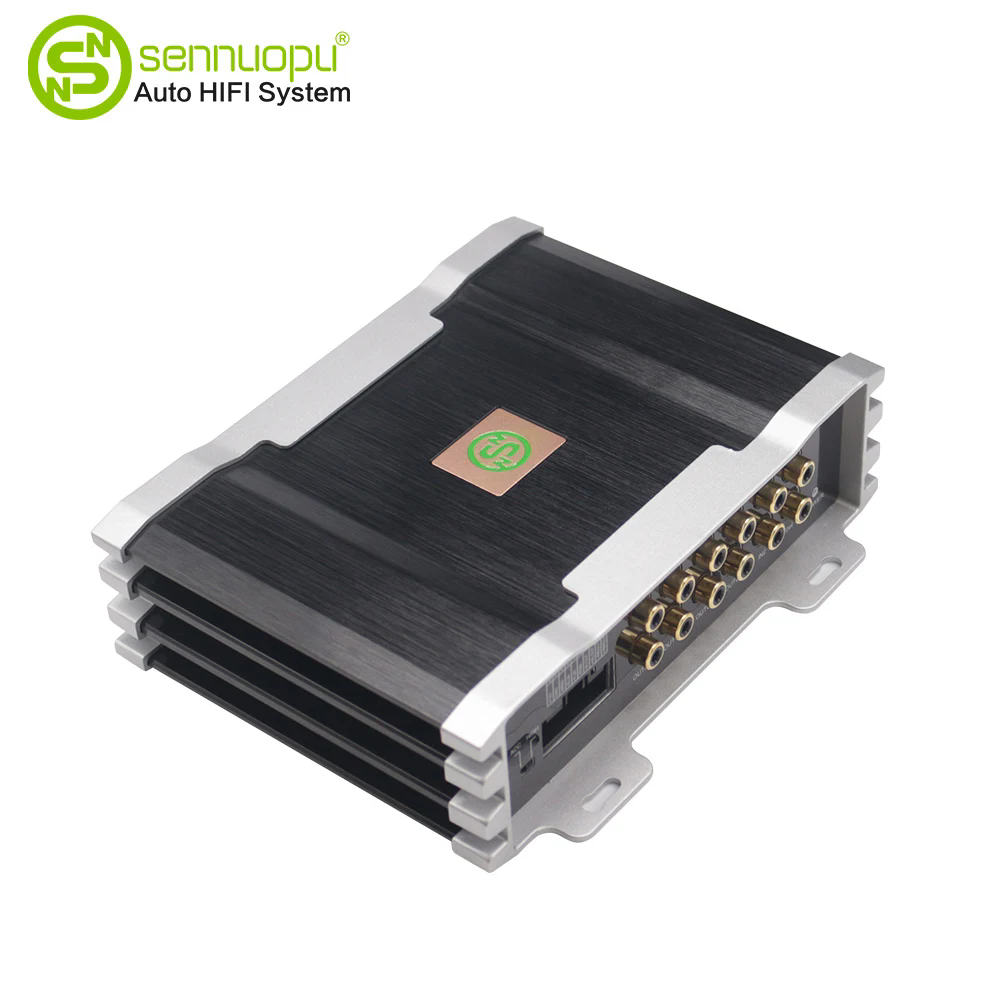
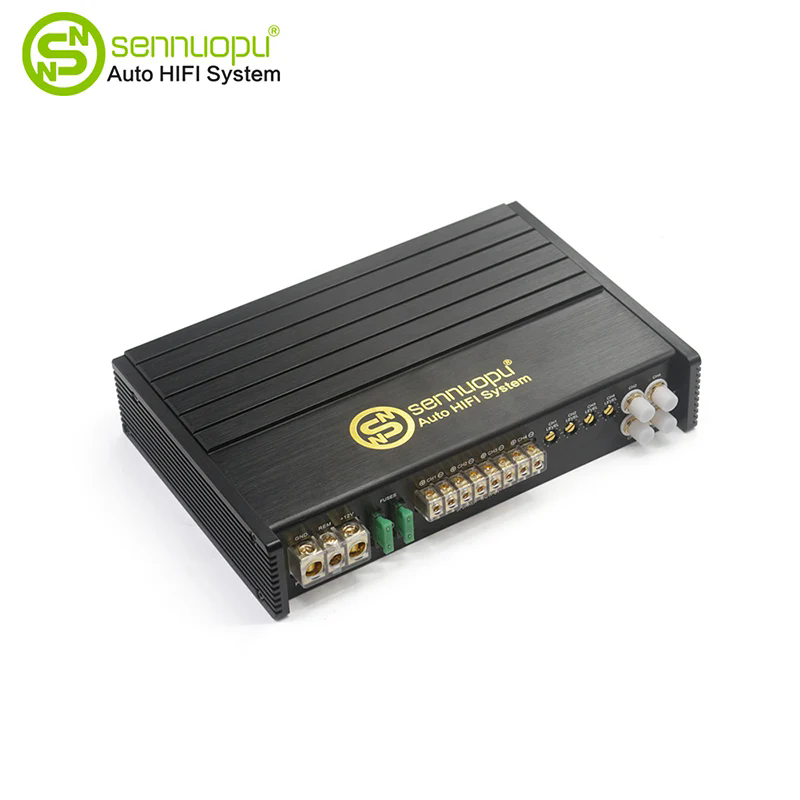
A Car DSP Amplifier is an integrated automotive audio component that combines digital signal processing (DSP) with multi-channel power amplification. It is designed to manage, optimize, and distribute audio signals within a vehicle’s sound system, addressing challenges such as cabin acoustics, speaker placement irregularities, and signal loss. The central objective of a Car DSP Amplifier is to ensure that audio signals are processed with precision before being amplified and delivered to speakers, resulting in controlled sound staging, improved clarity, and consistent output across different listening environments.
Modern vehicles increasingly rely on complex infotainment architectures, multiple speaker zones, and digital audio sources. In this context, a Car DSP Amplifier serves as the technical hub that aligns signal timing, frequency response, and power delivery. Rather than simply increasing volume, it focuses on shaping sound in a way that adapts to the confined and asymmetrical nature of automotive interiors. This article examines how a Car DSP Amplifier functions, the technical parameters that define its performance, and why it has become a critical component in contemporary car audio system design.
At its core, the Car DSP Amplifier processes incoming audio signals—whether analog or digital—through a DSP chip that applies filtering, equalization, delay correction, and channel routing. After processing, the amplifier stage boosts the signal to drive speakers efficiently. The integration of these two functions reduces signal degradation, shortens transmission paths, and allows for precise control over each audio channel.
Understanding a Car DSP Amplifier requires attention to its technical parameters, which directly influence system compatibility, tuning flexibility, and long-term reliability. These specifications are often evaluated by installers, automotive engineers, and audio enthusiasts when selecting a unit for a particular vehicle platform.
Below is a consolidated overview of typical Car DSP Amplifier parameters, presented to reflect professional evaluation standards:
| Parameter Category | Typical Specification Range | Technical Significance |
|---|---|---|
| DSP Processing Bit Depth | 24-bit / 32-bit | Determines signal resolution and processing accuracy |
| Sampling Rate | 48 kHz – 96 kHz | Affects frequency response and signal fidelity |
| Amplifier Channels | 4 to 12 channels | Supports multi-speaker and multi-zone configurations |
| Output Power (RMS) | 40W – 120W per channel @ 4Ω | Defines sustained power delivery to speakers |
| Signal-to-Noise Ratio | ≥ 95 dB | Indicates background noise control |
| Total Harmonic Distortion | ≤ 0.05% | Reflects signal purity after amplification |
| Input Options | High-level, RCA, Optical, Coaxial | Ensures compatibility with OEM and aftermarket sources |
| DSP Functions | EQ, Crossover, Time Alignment, Phase Control | Enables acoustic correction and system tuning |
| Operating Voltage | 9V – 16V DC | Ensures stability within automotive electrical systems |
From a system architecture perspective, the DSP module operates as a digital control center. Equalization allows frequency bands to be adjusted independently, compensating for speaker response limitations. Crossovers allocate appropriate frequency ranges to each speaker, preventing distortion and mechanical stress. Time alignment corrects delays caused by uneven speaker distances, ensuring coherent sound arrival at the listener’s position.
The amplifier stage is engineered to provide consistent power under fluctuating voltage conditions typical in vehicles. Thermal protection, short-circuit safeguards, and load detection mechanisms are commonly integrated to ensure operational stability. Together, these parameters define how a Car DSP Amplifier integrates into an automotive audio ecosystem and maintains performance under real-world conditions.
The practical application of a Car DSP Amplifier extends beyond laboratory specifications. In real driving conditions, factors such as engine noise, road vibration, and cabin materials influence sound reproduction. The DSP component allows installers and system designers to create profiles that address these variables systematically.
In daily commuting scenarios, DSP tuning can prioritize vocal clarity at moderate listening levels, ensuring that navigation prompts and spoken audio remain intelligible. For long-distance travel, broader frequency balance and reduced listening fatigue become priorities, achievable through carefully calibrated equalization curves. In performance-oriented systems, multi-channel DSP routing enables complex speaker layouts, including active front stages and subwoofer integration.
Another key application is OEM system integration. Many vehicles use factory head units with proprietary equalization and filtering. A Car DSP Amplifier with high-level input and signal summing capabilities can adapt these outputs into a clean, configurable signal path. This approach preserves factory functionality while enabling advanced audio processing.
From a maintenance standpoint, digital control interfaces—often software-based—allow repeatable tuning and profile storage. This reduces installation variability and ensures consistent results across different vehicles. As automotive audio systems become more interconnected with vehicle electronics, the DSP Amplifier’s role as an adaptable interface continues to expand.
How does a Car DSP Amplifier differ from a traditional car amplifier?
A Car DSP Amplifier integrates digital signal processing with amplification in a single unit. Unlike traditional amplifiers that only increase signal power, a DSP-equipped amplifier actively modifies the audio signal through equalization, crossover management, and time alignment before amplification. This results in greater control over sound reproduction and improved adaptability to vehicle acoustics.
How is a Car DSP Amplifier configured after installation?
Configuration is typically performed through dedicated tuning software accessed via a computer or mobile interface. Installers adjust parameters such as channel levels, frequency bands, and delay settings based on speaker layout and listening position. Once calibrated, settings are stored within the DSP, allowing the system to maintain consistent performance without continuous adjustment.
As vehicles continue to evolve into digitally managed environments, the Car DSP Amplifier is increasingly aligned with broader automotive electronics trends. Integration with digital dashboards, advanced infotainment systems, and multi-zone audio layouts requires flexible signal management solutions. DSP-based amplification meets this requirement by offering scalable channel counts and software-driven adaptability.
Emerging vehicle architectures emphasize modularity and software-defined features. In this landscape, Car DSP Amplifiers are positioned as configurable components that can adapt to new speaker technologies, evolving audio formats, and changing consumer expectations. Their ability to process high-resolution digital signals aligns with the growing adoption of advanced media sources and connected audio services.
Manufacturing standards are also shifting toward compact designs with higher thermal efficiency. This supports installation in space-constrained environments without compromising reliability. As a result, the Car DSP Amplifier is not only an audio component but also a system-level solution that supports the broader direction of in-vehicle electronics.
Within this evolving market, Sennuopu focuses on delivering Car DSP Amplifiers engineered for precision processing, stable power output, and integration flexibility. Product development emphasizes balanced technical specifications, reliable protection mechanisms, and compatibility with diverse vehicle platforms. Each unit is designed to support professional installation workflows and long-term system stability.
For detailed specifications, application guidance, or system integration support related to Car DSP Amplifiers, direct communication is encouraged. Contacting the Sennuopu team enables access to technical documentation, configuration recommendations, and product selection assistance tailored to specific automotive audio requirements.