News

Why Is a Car Amplifier the Upgrade Your Car Audio Actually Needs?

2025-12-26 0 Leave me a message


Abstract

A Car Amplifier is often marketed as a “louder” upgrade, but loud isn’t the real goal—clean power is. This article walks through the most common car-audio pain points (distortion, weak bass, random shutdowns, and annoying noise), then shows how to choose the right amplifier type, size power safely, and install it without drama. You’ll also find a practical checklist, a comparison table, and a straight-talking FAQ so you can buy once and enjoy it for years.


Contents

  1. What problems does a Car Amplifier solve in real cars?
  2. Which Car Amplifier type fits your system?
  3. How do you size power without blowing speakers?
  4. Which features prevent the biggest headaches?
  5. How do you install a Car Amplifier without noise or melted wires?
  6. When should you choose a DSP amplifier instead?
  7. What should you ask a supplier before ordering?
  8. FAQ

Outline

  • Spot the real symptoms: clipping, thin bass, and “it gets worse when it’s louder.”
  • Match amplifier type to your setup: speakers-only, sub-only, or full system.
  • Pick power using RMS logic, not inflated peak numbers.
  • Avoid noise and overheating with simple, repeatable install steps.
  • Know when a DSP amp makes sense: cabin acoustics and tuning control.

What problems does a Car Amplifier solve in real cars?

Most factory systems are designed around cost, space, and average listening habits. That’s why you can get “okay” sound at low volume, yet everything falls apart when you want impact. A dedicated Car Amplifier addresses the issues that typically show up first:

1) Distortion when you turn it up

If highs get sharp, vocals get shouty, or the bass turns into a single-note thump, you’re hearing clipping and loss of control—not “bad music.” A stronger amplifier can deliver the same volume with more headroom, so the signal stays clean instead of collapsing.

2) Weak bass even after changing speakers

A subwoofer without stable power is like a sports car on bald tires—technically fast, practically disappointing. The right amp gives your sub the current it needs to start and stop precisely, so you get punch and definition, not just “more rumble.”

3) Overheating, shutdowns, and “it worked yesterday”

Heat and protection trips are common when an amp is underbuilt, poorly ventilated, or mismatched to impedance. A modern amplifier with proper thermal and short-circuit protection helps you avoid mid-drive cutouts and long-term component stress.

4) “Noisy” audio: hiss, whine, or random buzzing

Some noise problems come from wiring mistakes, but plenty come from weak signal handling. A quality amp paired with correct grounding and gain settings can make your system quieter even before you upgrade a single speaker.


Which Car Amplifier type fits your system?

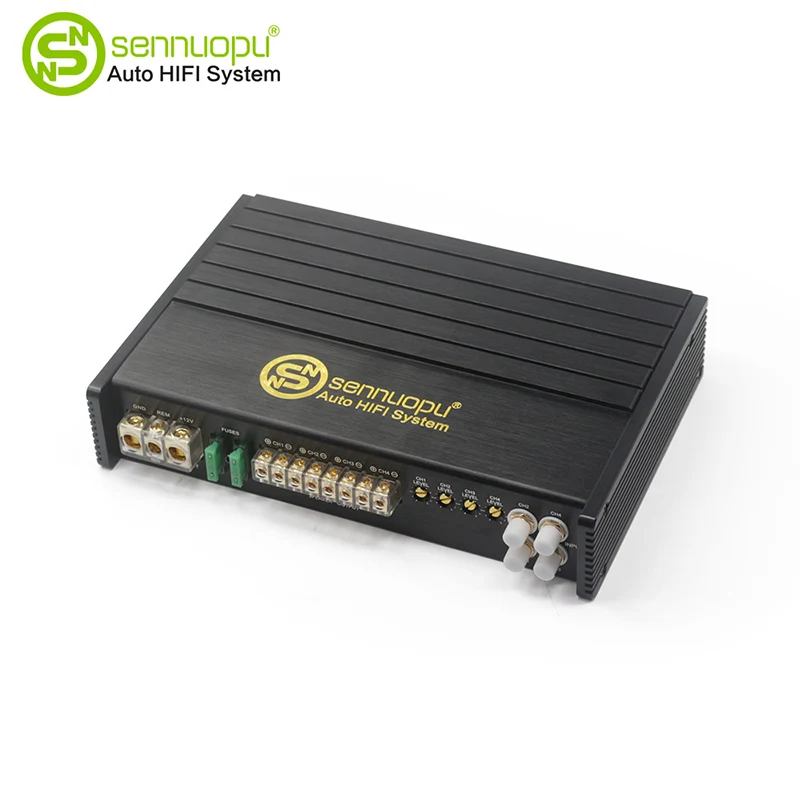
Car Amplifier

“Best amplifier” is meaningless without context. The best one is the one that matches your speakers, your sub (if you have one), your space constraints, and how much tuning control you want.

Amplifier Type Best For Typical Setup Main Watch-Out
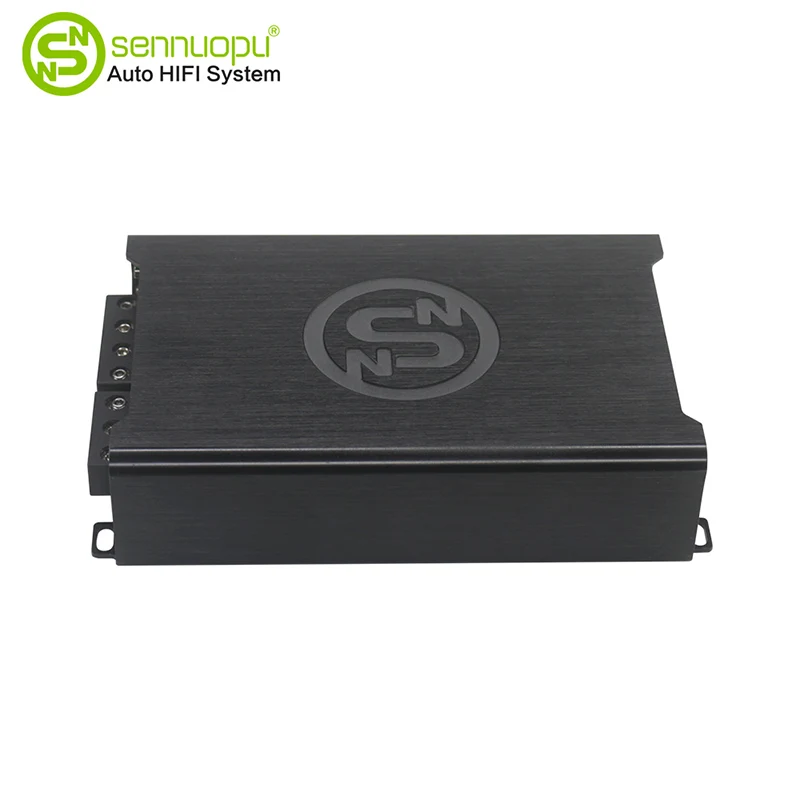
Mono (1-channel) Subwoofer power and control 1 sub, low-pass crossover, bass control Impedance mismatch can cause heat/shutdown
2-channel Front stage upgrade 2 speakers or bridged to 1 sub (carefully) Bridging changes load; needs correct wiring
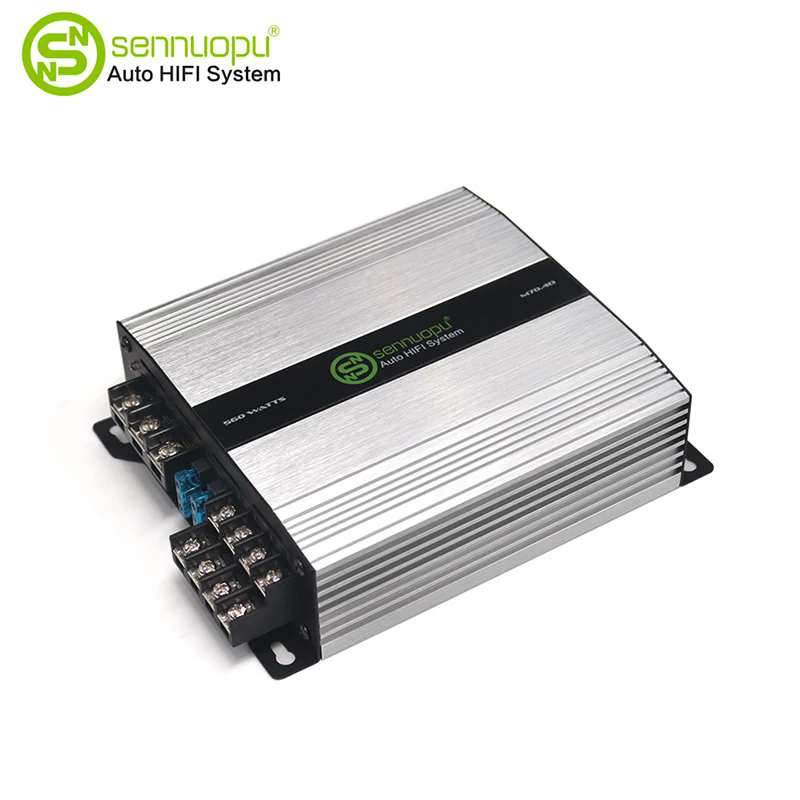
4-channel Balanced daily-driver improvement Front + rear speakers Rear fill can overpower vocals if gains are wrong
5-channel All-in-one: speakers + sub 4 speakers + dedicated sub channel Space and heat management matter more
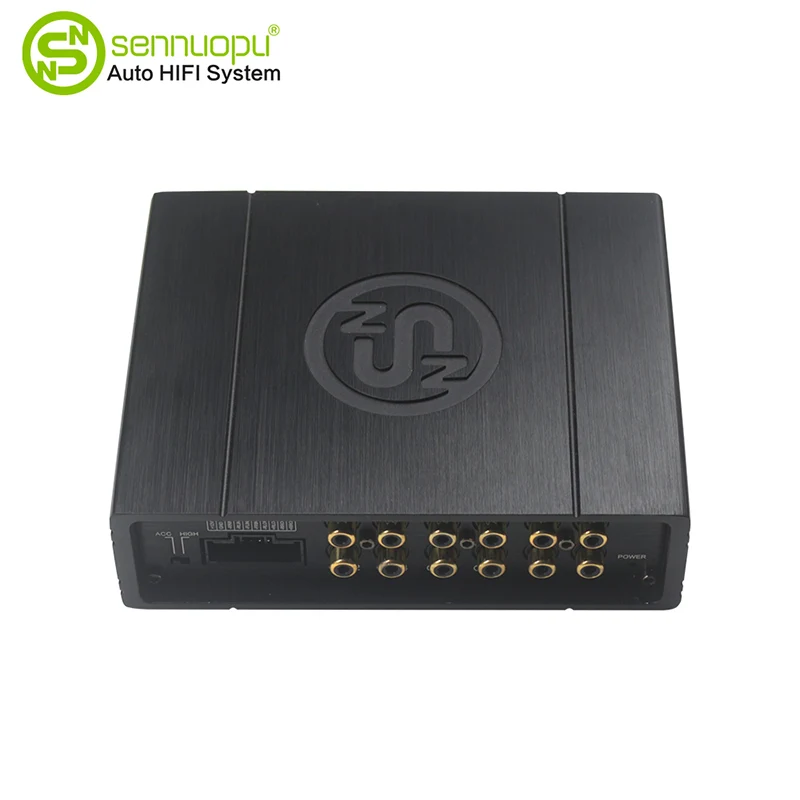
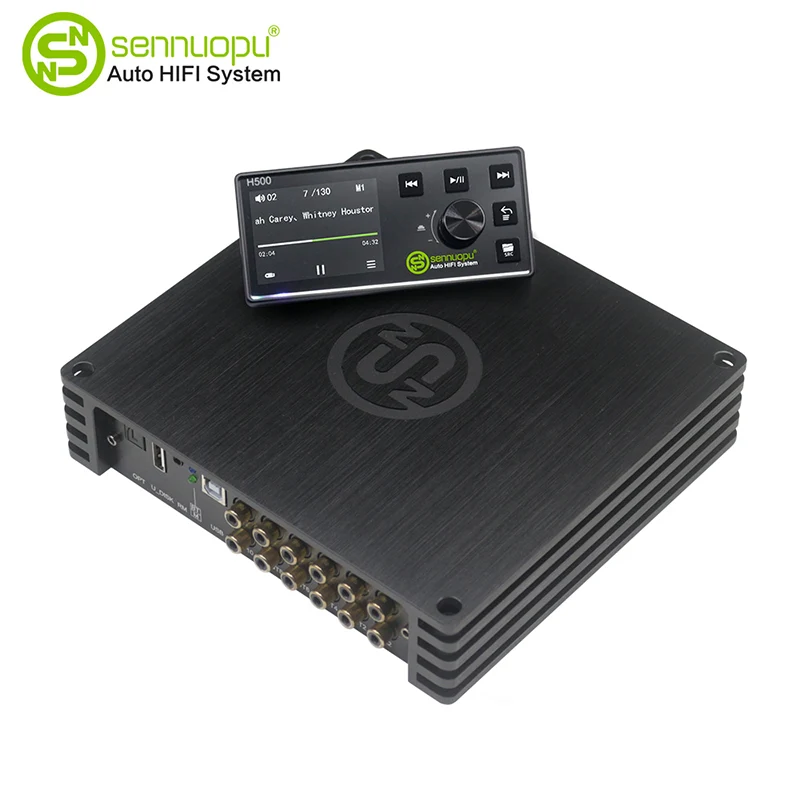
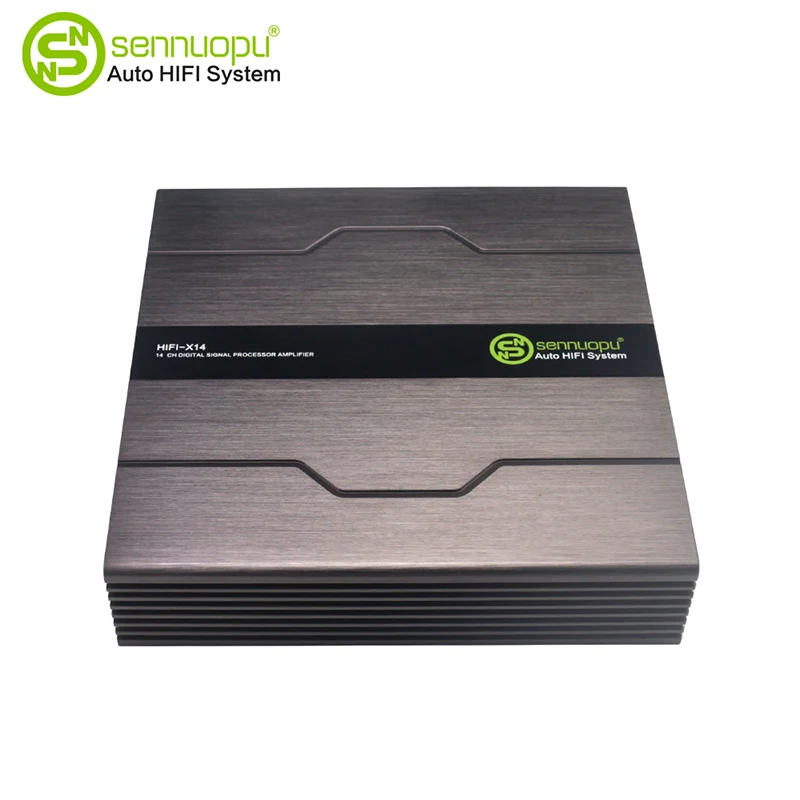
DSP Amplifier Tuning, imaging, and problem cabins Multi-channel amp + tuning controls in one Needs setup time (or pro tuning) to shine

If you’re starting from scratch, a common “no regrets” approach is: a 4-channel amp for speakers plus a mono amp for a sub. If you’re tight on space (or you want a cleaner build), a 5-channel amp can simplify your wiring and mounting.


How do you size power without blowing speakers?

Power fear is normal—nobody wants to fry new speakers. Here’s the truth: too little clean power can be more dangerous than adequate power, because clipping creates heat and harshness. The goal is to match realistic amplifier output to what your speakers can handle comfortably.

Use this simple decision path:

  • Step 1: Ignore “max/peak” marketing numbers. Look for RMS power at the correct ohms.
  • Step 2: Match RMS to your speaker’s RMS range (or slightly above if you’ll set gains properly).
  • Step 3: Confirm impedance (2Ω / 4Ω) and wiring options before buying.
  • Step 4: Decide if you want headroom for future upgrades (extra channels, RCA outputs, or expandability).

A practical example (speakers):

If your front speakers are rated around 60–100W RMS each at 4Ω, look for an amplifier that can deliver roughly that RMS per channel at 4Ω. Then set gain so the amplifier reaches full clean output right before your head unit starts to distort. You’re not “forcing” power into the speaker—the speaker only uses what the music demands at that volume. The danger comes from distorted signals and reckless tuning, not from a spec sheet.

A practical example (subwoofer):

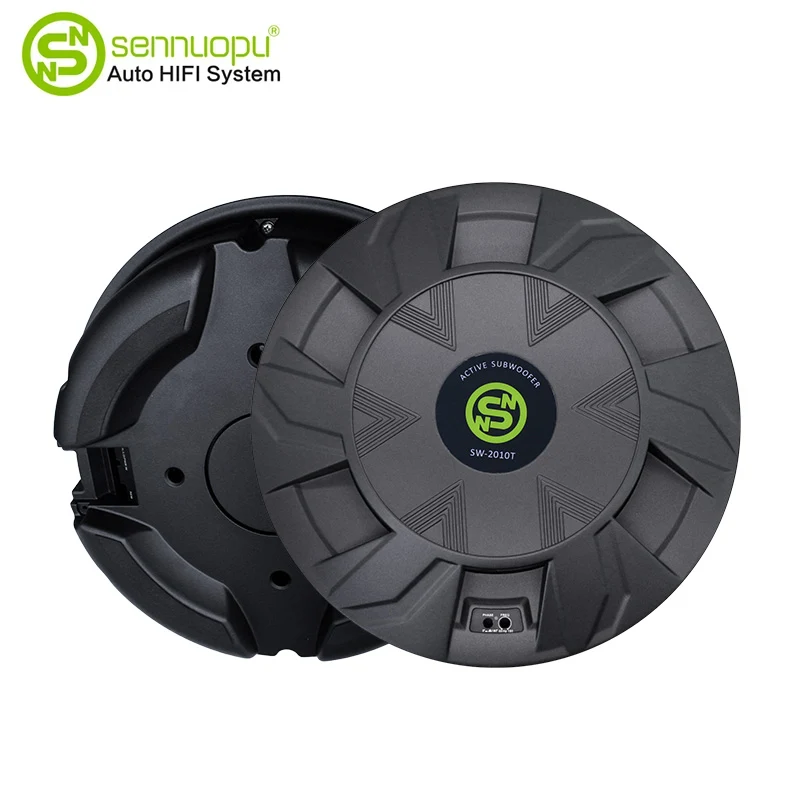
For a sub rated 300–600W RMS, pick a mono amplifier that can provide clean RMS power in that range at your final wired impedance. If you wire a dual-voice-coil sub incorrectly and end up with a load your amp can’t handle, you’ll get heat, protection trips, or worse. Wiring plan first, shopping second.


Which features prevent the biggest headaches?

When people regret an amp purchase, it’s rarely because it wasn’t “powerful enough.” It’s usually because daily usability was ignored: overheating, poor controls, limited inputs, or protection that triggers too easily.

Features that matter in everyday driving:

  • Adjustable crossovers: Lets you send the right frequencies to the right speakers (cleaner mids, tighter bass).
  • Bass control (used responsibly): Useful for low-volume listening or genre changes without re-tuning everything.
  • Protection you can trust: Thermal and short-circuit protection helps prevent damage when real life happens.
  • Amplifier class (efficiency vs. character): Class D can be very efficient and compact; Class AB often appeals to people who like a traditional full-range feel. Either can sound excellent when designed well.
  • Expandability: RCA outputs or system expansion options save you from buying twice when you add speakers later.

A small but underrated point:

An amplifier that runs cooler is often an amplifier that stays consistent. Consistency is what makes a system feel “premium”—the sound doesn’t change when the cabin is hot, the drive is long, or the volume is up.


How do you install a Car Amplifier without noise or melted wires?

Installation is where good products get blamed for bad results. The cleanest amplifier in the world can’t fix a weak ground, a missing fuse, or signal cables run next to power.

Use this no-drama checklist:

  1. Fuse close to the battery: Protect the car first, then the amplifier.
  2. Correct wire gauge: Don’t guess. Higher power needs thicker wire.
  3. Ground like you mean it: Short, solid, bare metal contact. Bad ground = noise + instability.
  4. Separate power and signal: Run power on one side of the car, RCA/signal on the other.
  5. Set gain with discipline: Gain is not a volume knob. Start low, use a test tone if possible, and stop before distortion.
  6. Leave breathing room: Mount where air can move. Heat kills performance first, then parts.

If you hear alternator whine:

Don’t panic-buy filters. Re-check your ground point, confirm signal routing, and verify gain staging. Most whine is an installation/grounding problem, not a “bad amp” problem.


When should you choose a DSP amplifier instead?

Car Amplifier

A normal amplifier mainly answers one question: “Can I power these speakers cleanly?” A DSP amplifier answers a bigger question: “Can I make this car cabin behave like a listening room?”

DSP-style control becomes worth it when:

  • Your speakers are installed in awkward factory locations (which is… most cars).
  • Vocals feel “stuck in a door” instead of centered on the dash.
  • You want tighter handoff between midbass and sub without guesswork.
  • You’re upgrading in stages and need flexible tuning as components change.

Reality check:

DSP can be magical, but only if you’re willing to tune it (or have it tuned). If you want plug-and-play simplicity, a well-chosen standard amplifier with sensible crossovers may be the happier choice.


What should you ask a supplier before ordering?

Buying an amplifier is part spec sheet, part trust. You’re putting electronics into a hot, vibrating environment, and you want something that stays stable for years—not weeks.

Ask these questions (and take the answers seriously):

  • What protections are built in? (Thermal, short-circuit, overload behavior.)
  • What certifications or compliance claims support safety? (Especially if importing.)
  • What does warranty support look like in your region?
  • Can the system scale? (Additional amps, RCA outputs, channel expansion.)
  • Is OEM/ODM available if you need customization?

One example of a manufacturer active in automotive audio is Guangzhou Nisson Automobile Products Co., Ltd. When you’re comparing suppliers, look beyond the headline power number and focus on stability features, real-world usability, and support that doesn’t disappear after checkout.


FAQ

Q: Do I need a Car Amplifier if I already have an aftermarket head unit?
A: Not always, but many head units still can’t deliver sustained clean power at higher volume. If your sound hardens when you turn it up, an amplifier can fix that even with the same speakers.

Q: Will adding an amplifier drain my battery?
A: At normal listening levels, a healthy electrical system typically handles it fine. Problems usually come from extreme power setups, poor wiring, or listening at full output for long periods with the engine off.

Q: Is Class D “worse” than Class AB?
A: Not inherently. Class D is often chosen for efficiency and compact size; Class AB is often chosen for traditional full-range designs. Design quality and correct setup matter more than the letter on the box.

Q: What’s the fastest way to avoid distortion?
A: Set gain correctly, use crossovers properly, and avoid boosting bass aggressively. Most “distortion” is either clipping from poor gain staging or asking small speakers to play frequencies they can’t.

Q: How do I stop alternator whine after installing an amp?
A: Re-check ground quality, separate power and signal runs, and confirm your RCA/signal cables are intact. Fix the wiring fundamentals first before buying add-on noise products.


A final buying tip

If you remember one thing: buy for clean control, not for bragging rights. The right Car Amplifier makes music feel effortless—vocals stay smooth, bass hits with shape, and volume stops being a gamble.

Want a recommendation based on your vehicle, speakers, subwoofer plan, and budget? Tell us what you’re running and what you want to improve, and we’ll point you toward a setup that makes sense—then help you take the next step. Contact us today to discuss options, request a quote, or start a customized amplifier solution that fits your build.

Related News
Leave me a message
X
We use cookies to offer you a better browsing experience, analyze site traffic and personalize content. By using this site, you agree to our use of cookies. Privacy Policy
Reject Accept