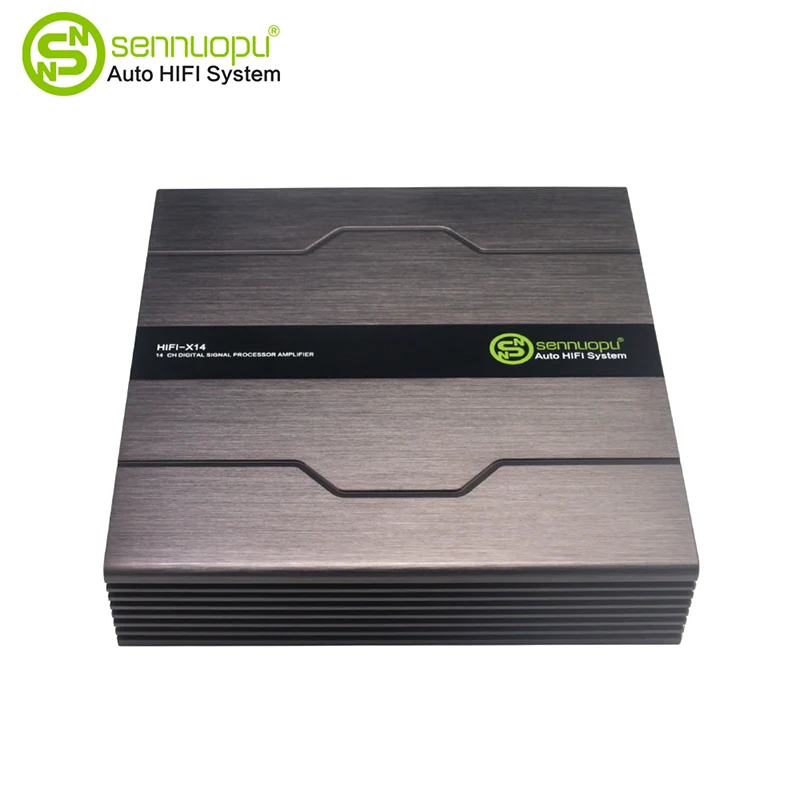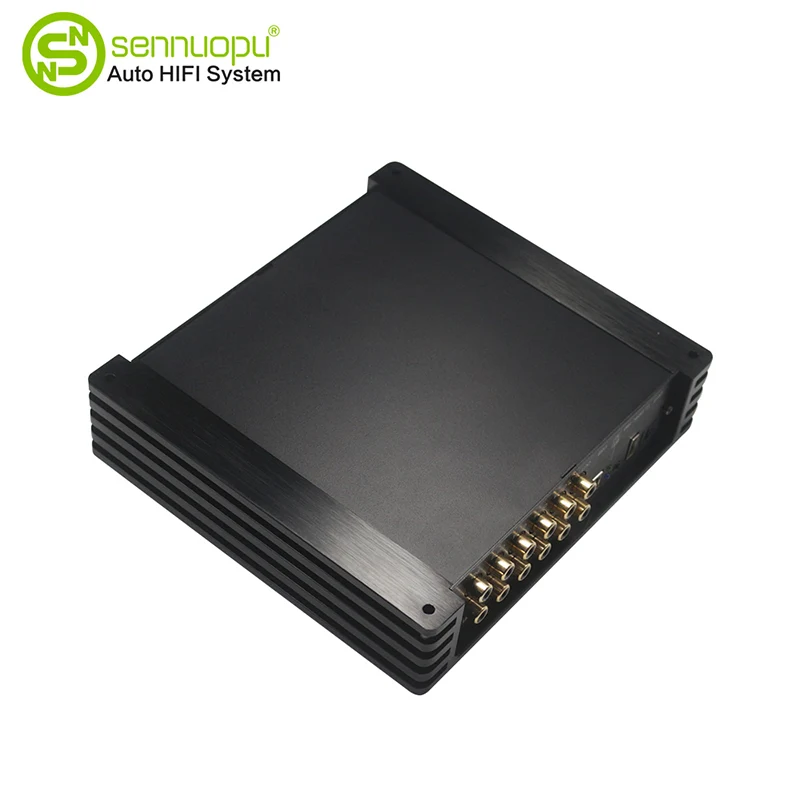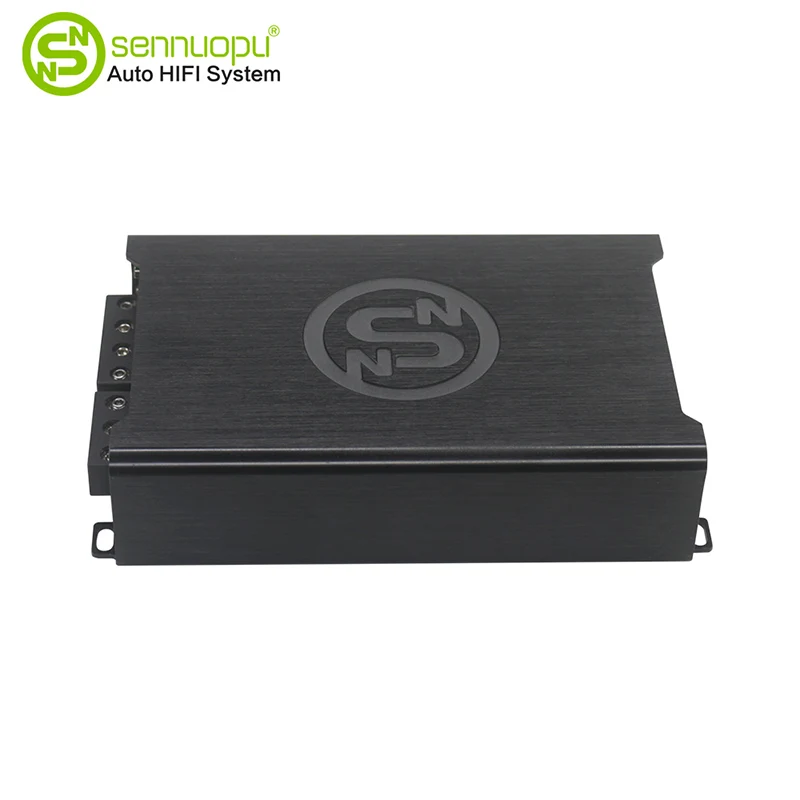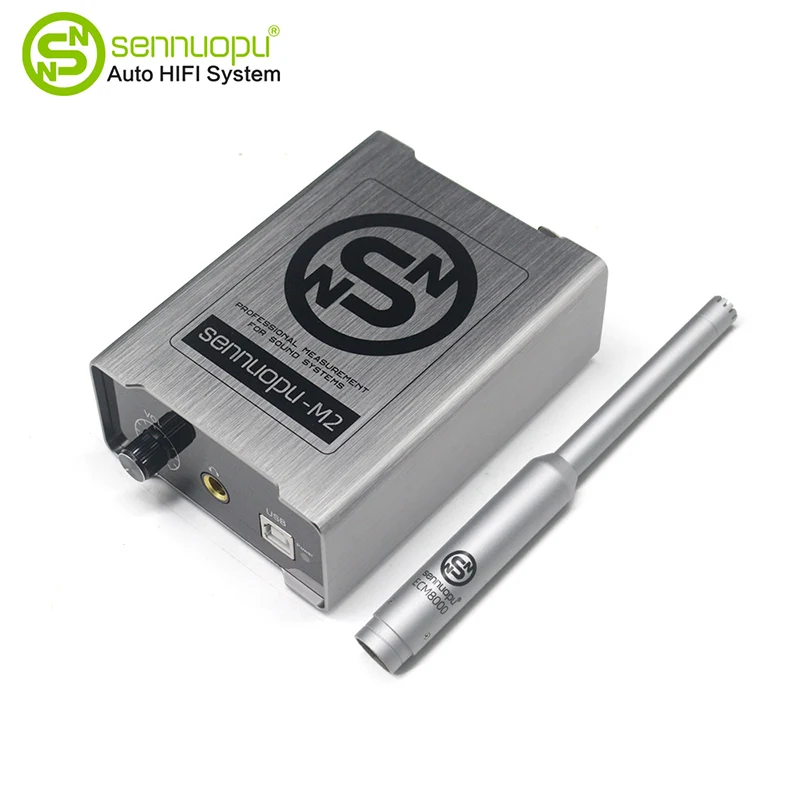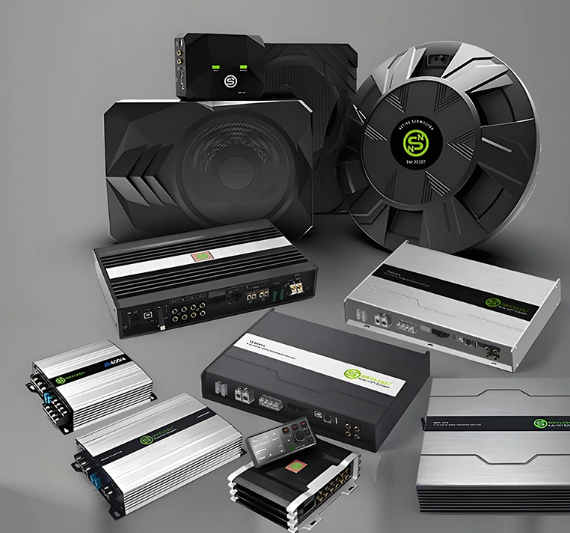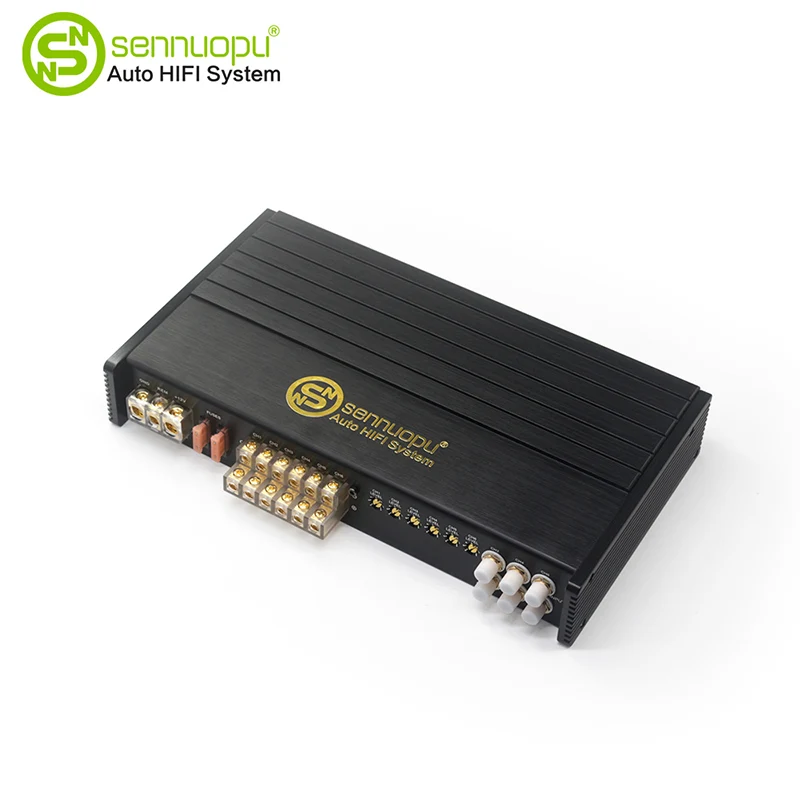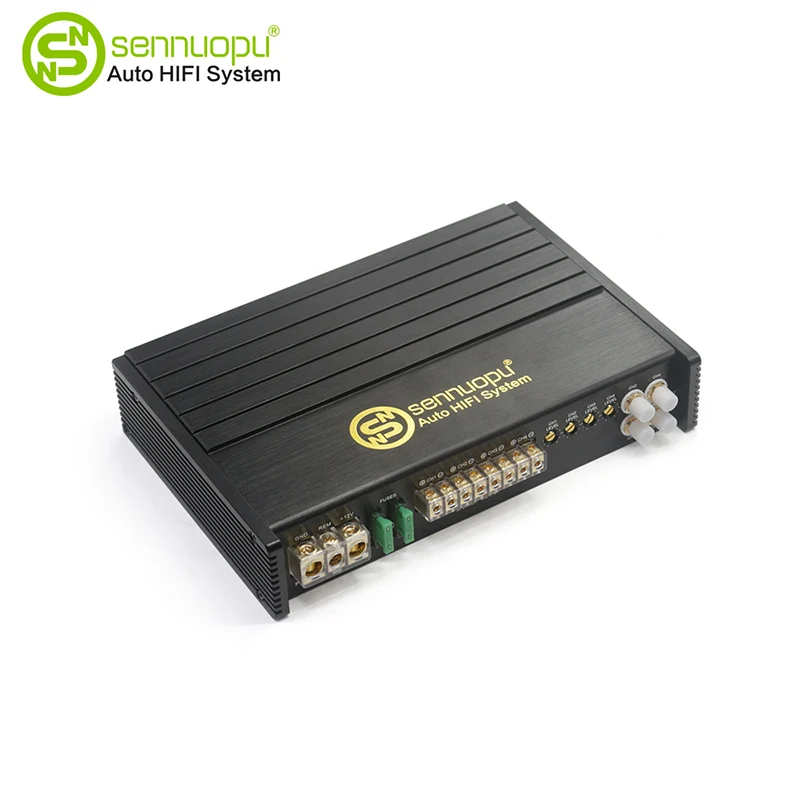



This guide explains how a Car DSP Processor works with a 4 Ch AMP and 8 CH Digital Sound Processors in modern vehicle audio systems. It covers signal processing, amplifier channel planning, crossover settings, equalization, installation compatibility, and practical purchasing considerations. It also explains how to evaluate equipment based on the vehicle, speaker configuration, listening preferences, and actual system requirements.
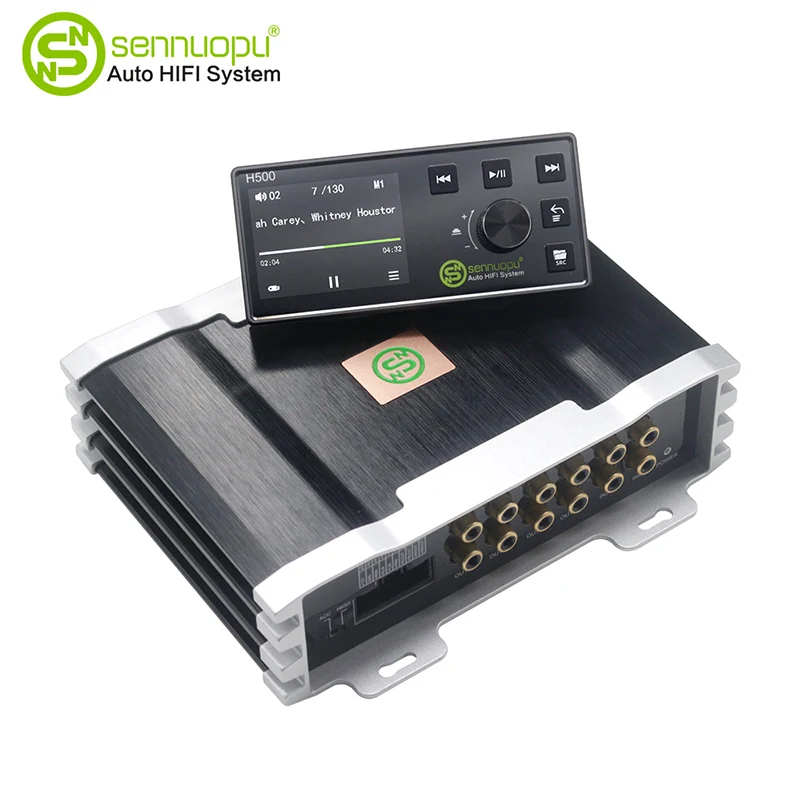
1. Understanding the Role of a Car DSP Processor
A digital signal processor, commonly called a DSP, is an electronic device that modifies and manages audio signals before they reach the speakers. Unlike a basic audio connection that simply sends a signal to an amplifier, a DSP provides detailed control over how sound is distributed and reproduced.
Different speakers have different operating ranges and positions inside a vehicle. A tweeter is designed for high frequencies, while a midrange driver and subwoofer handle different parts of the audio spectrum. A DSP helps coordinate these components so that each speaker receives an appropriate signal.
Core DSP Functions
- Equalization: Adjusts selected frequency ranges to address tonal imbalances caused by speakers, vehicle interiors, and installation positions.
- Time alignment: Delays selected speaker signals so that sound from different locations reaches the listener at more coordinated times.
- Crossover management: Divides the audio signal into frequency ranges suitable for individual speakers.
- Channel routing: Directs input signals to the required output channels.
- Level adjustment: Helps balance the output of different speakers and speaker groups.
These functions are particularly useful in vehicles because speakers are rarely positioned symmetrically around the listener. A DSP gives installers more control over these differences without requiring major changes to the vehicle's interior.
2. Why Factory Car Audio May Need an Upgrade
Factory audio systems are designed to meet broad vehicle requirements, including cost, space, wiring complexity, and compatibility with the original infotainment system. While many factory systems perform adequately, their tuning options may be limited.
Common complaints include weak bass, unclear vocals, harsh high frequencies, and uneven volume between the front and rear seats. Some systems also use factory equalization or signal processing that makes aftermarket upgrades more complicated.
Typical Problems and Possible Solutions
| Listening Problem | Possible Cause | Potential DSP Solution |
|---|---|---|
| Vocals sound unclear | Frequency imbalance or poor speaker integration | Adjust equalization and channel levels |
| Bass sounds weak | Insufficient low-frequency output or incorrect crossover settings | Review subwoofer integration and crossover configuration |
| Sound seems concentrated on one side | Different speaker distances from the listening position | Apply appropriate time alignment |
| High frequencies sound harsh | Speaker response, placement, or excessive treble energy | Use careful equalization and level adjustment |
| Front and rear speakers sound disconnected | Inconsistent tuning or channel balance | Coordinate speaker levels and crossover settings |
A DSP cannot compensate for every hardware limitation. Damaged speakers, poor wiring, insufficient amplifier power, and unsuitable speaker placement may require physical corrections. Signal processing works best when the basic components are properly installed.
3. What a 4 Ch AMP Does in an Audio System
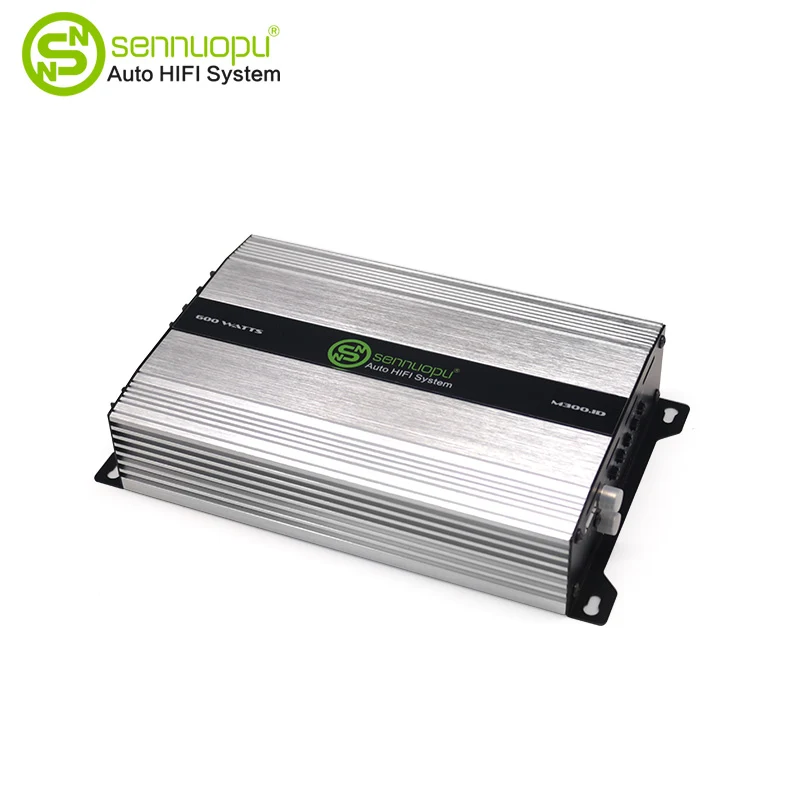
A four-channel amplifier provides four separate amplified output channels. In a typical car audio configuration, these channels can power four speakers, such as the front left, front right, rear left, and rear right speakers.
The main purpose of an amplifier is to provide sufficient electrical power to drive speakers at the required listening level. A DSP, by comparison, focuses on signal processing. Some products combine these functions in one unit, while other systems use separate DSP and amplifier components.
Common Four-Channel Applications
- Powering a front component speaker set and a rear speaker pair.
- Driving four full-range speakers in a standard upgrade.
- Supporting a system where additional amplification is reserved for a dedicated subwoofer.
- Providing separate power channels for selected speaker groups.
Before selecting a 4 Ch AMP, check its continuous power rating, supported speaker impedance, distortion specifications, thermal design, and installation dimensions. Peak power figures alone are not enough to determine whether an amplifier can meet the system's real requirements.
4. Understanding 8 CH Digital Sound Processors
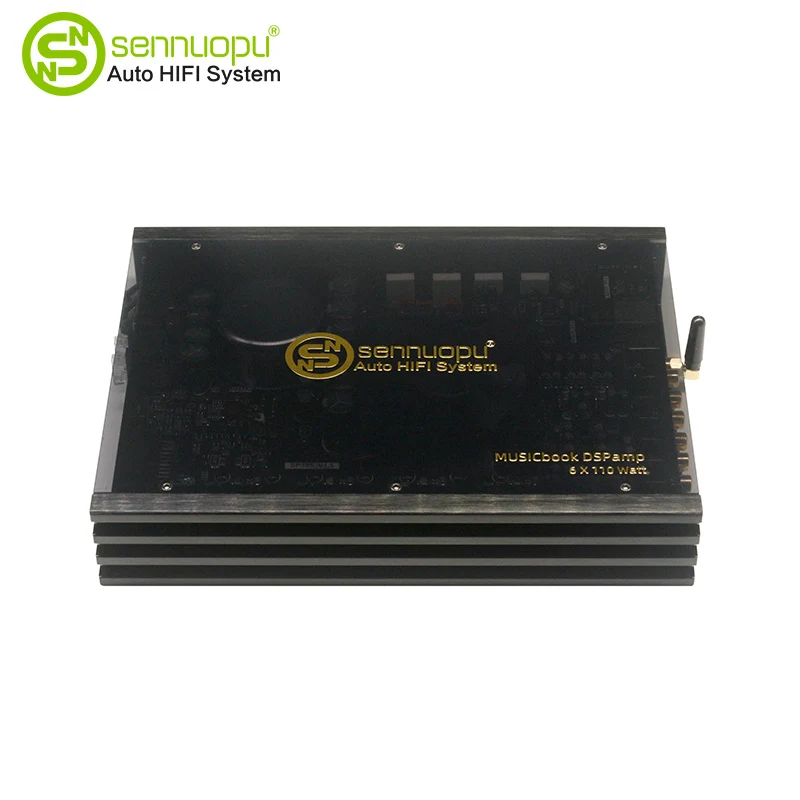
An 8-channel digital sound processor provides multiple output channels for more detailed control of a vehicle's speaker arrangement. The additional channels are useful when a system includes separate tweeters, midrange drivers, woofers, rear speakers, or other audio components that need independent processing.
For example, a front three-way speaker arrangement may require individual signal paths for the tweeter, midrange driver, and midbass driver on both sides of the vehicle. An eight-output DSP can provide the necessary processing channels for this type of configuration, depending on the input and routing design.
Why Output Channels Matter
More output channels allow an installer to manage more speaker groups independently. This can improve flexibility during crossover configuration, equalization, time alignment, and level adjustment.
However, the number of DSP outputs does not automatically indicate the number of built-in amplifier channels. Some 8-channel processors provide processed line-level outputs that must connect to external amplifiers. Other products integrate DSP processing and amplification. Always check the product specifications to understand the actual architecture.
| Configuration | Typical Purpose | Key Consideration |
|---|---|---|
| 4-channel amplifier | Driving four speaker channels | Output power and speaker impedance |
| 8-channel DSP | Processing multiple speaker signals | Input and output routing flexibility |
| DSP amplifier combination | Processing and amplifying signals in one unit | Built-in amplifier channel count and power |
| Separate DSP and amplifiers | Flexible system expansion | Wiring, installation space, and component matching |
5. How DSP and Amplifier Components Work Together
A typical upgraded audio system follows a signal path from the original head unit or another audio source to the DSP, then to the amplifier and finally to the speakers. The exact arrangement depends on whether the DSP has built-in amplification and what type of signal connections are available.
A Basic Signal Flow
- Audio source: The factory head unit or aftermarket player provides the audio signal.
- DSP processing: The processor adjusts frequency response, timing, routing, and channel levels.
- Amplification: The amplifier increases the signal power to drive the connected speakers.
- Speaker output: Each speaker reproduces the frequency range and signal assigned to it.
The advantage of separating processing and amplification is flexibility. An installer can select a DSP based on the required number of channels and choose amplifiers based on the power needs of the speakers. An integrated DSP amplifier can reduce the number of separate components and simplify some installations.
Neither arrangement is automatically better for every vehicle. The correct choice depends on the required output power, available installation space, wiring complexity, budget, and future expansion plans.
6. Important Features to Evaluate
Input and Output Compatibility
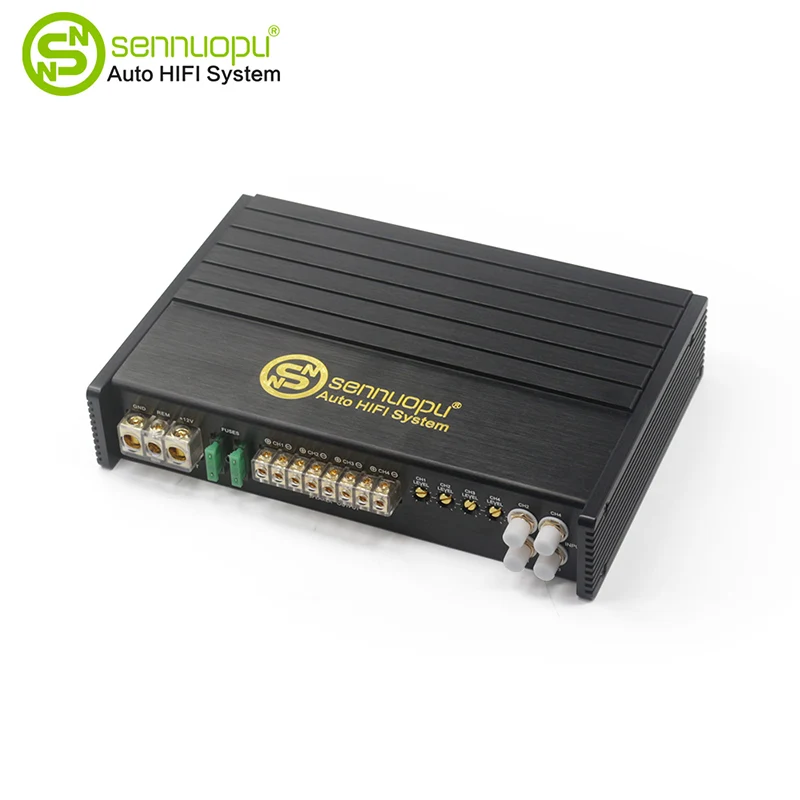
Check whether the processor supports the signal types available in the vehicle. Depending on the product, connections may include high-level speaker inputs, low-level RCA inputs, digital inputs, or other interfaces. The output arrangement should also match the intended amplifier system.
Equalization and Crossover Controls
Look for practical adjustment options, including the number of equalizer bands, available crossover types, filter slopes, and adjustment ranges. These specifications affect how precisely the installer can configure the speaker system.
Time Alignment
Independent time-alignment control can help compensate for different speaker distances. This is especially useful when the driver sits much closer to the left-side speakers than to the right-side speakers.
Software and User Interface
Configuration software should be clear and stable. An intuitive interface can reduce setup time and make it easier to save, compare, and revise tuning profiles. Confirm operating system requirements and connection methods before purchase.
Noise Performance and Build Quality
Review the signal-to-noise ratio, total harmonic distortion, power supply design, connectors, and thermal management information provided by the manufacturer. Reliable specifications and consistent manufacturing quality are important for long-term use.
7. Installation and Compatibility Considerations
Even a capable processor may perform poorly if it is installed incorrectly. Before installation, identify the vehicle's audio architecture, factory amplifier arrangement, available signal sources, speaker impedance, and available mounting space.
- Confirm whether the factory system uses a separate amplifier or a head-unit-based speaker output.
- Check the signal voltage and input compatibility of the DSP.
- Verify the amplifier's power requirements and the vehicle's electrical capacity.
- Use suitable power wiring, grounding, and signal cable routing.
- Keep signal cables appropriately separated from high-current power wiring where practical.
- Secure all components to prevent movement, vibration, or contact with hot surfaces.
- Complete basic electrical checks before powering up the system.
Professional installation is recommended when the vehicle has a complex factory audio system, integrated safety alerts, or manufacturer-specific signal processing. Incorrect wiring can affect audio performance and may interfere with other vehicle functions.
8. How to Select the Right Configuration
The best configuration starts with the speakers and the listening goals, not simply the largest channel count. A basic four-speaker upgrade may not need an advanced multi-output processor. A more complex active speaker system may benefit from additional DSP outputs and independent amplification.
A Practical Selection Checklist
- Count the speakers: Identify every speaker and determine whether each needs an independent signal path.
- Define the system layout: Decide whether the system will use passive crossovers, active crossovers, or a combination.
- Calculate amplifier needs: Compare speaker impedance and continuous power ratings with amplifier specifications.
- Check signal compatibility: Confirm the available input and output connections.
- Consider future upgrades: Leave enough channels and installation capacity if additional speakers or a subwoofer may be added later.
- Review tuning support: Make sure the software and adjustment functions meet the installer's needs.
9. Common Upgrade Mistakes
Choosing by Channel Count Alone
More channels provide more routing options, but they do not guarantee better sound. A suitable channel plan should be based on the actual speaker layout.
Ignoring Speaker Impedance
An amplifier must support the impedance of the connected speakers. Operating outside its specified range may lead to overheating, protection mode, or damage.
Overusing Equalization
Large boosts across multiple frequency bands can reduce available headroom and increase distortion. Correct speaker selection, installation, and measurement should come before aggressive EQ adjustments.
Skipping Final System Testing
After installation, check every channel, confirm speaker polarity, listen for unwanted noise, and test the system at different volume levels. Fine tuning should be completed after confirming that the hardware works correctly.
10. Frequently Asked Questions
1. What does a Car DSP Processor do?
It processes audio signals by adjusting equalization, crossover points, time alignment, channel routing, and output levels. These controls help integrate multiple speakers and improve the overall listening experience.
2. Is an 8-channel DSP suitable for a standard car audio upgrade?
It can be suitable, especially when independent processing is needed for several speaker groups. However, a simpler system may not require eight outputs. The correct choice depends on the speaker configuration and upgrade plan.
3. Does a 4 Ch AMP include a digital signal processor?
Not necessarily. A conventional four-channel amplifier mainly provides amplified outputs. Some products combine amplification and DSP functions, so buyers should confirm the product's architecture and specifications.
4. Can a DSP improve factory car speakers?
A DSP can help correct certain frequency and timing issues, but it cannot overcome every limitation of factory speakers. If the speakers have insufficient power handling, physical damage, or poor frequency response, replacement may also be necessary.
5. Does an 8-channel DSP need an external amplifier?
Many standalone DSP units provide processed outputs that connect to external amplifiers. Integrated DSP amplifier models may include built-in amplification. Check the output type and amplifier specifications before purchasing.
6. What information should buyers provide when requesting a quotation?
Useful details include the vehicle model, existing audio equipment, speaker quantity, speaker impedance, desired channel configuration, installation space, and expected application. These details help suppliers recommend a compatible solution.
Reliable Audio Solutions for Different Vehicle Requirements
A successful car audio upgrade depends on the relationship between the signal processor, amplifier, speakers, and installation environment. Understanding the differences between a Car DSP Processor, a 4 Ch AMP, and 8 CH Digital Sound Processors helps buyers make more informed decisions and avoid unnecessary equipment costs.
Guangzhou Nisson Automobile Products Co., Ltd. focuses on automotive audio products and solutions for different market requirements. When evaluating a product, buyers should review its detailed technical specifications, connection options, channel configuration, and application compatibility before confirming an order.
Find a Suitable Car Audio Processing Solution
Looking for a suitable DSP processor or amplifier configuration for your automotive audio project? Share your vehicle application, speaker layout, and technical requirements with Guangzhou Nisson Automobile Products Co., Ltd. Our team can help you review the relevant product options and discuss a suitable solution.
Contact us to learn more about our automotive audio products and request product details for your next project.